Three o’clock hits and my eyes feel like sandpaper. Not the gentle tired that comes from a long day outdoors, but that specific digital burn that makes me want to close my laptop and walk away from everything with a screen. I used to think this was just the price of modern work — eight hours staring at pixels, what did I expect?
But here’s what I’ve learned: your eyes aren’t supposed to surrender by mid-afternoon. That gritty, strained feeling isn’t normal wear and tear. It’s your cells calling for backup they’re not getting.
The difference between comfortable eyes and strained ones often comes down to what’s happening at the cellular level — specifically, how well your mitochondria can protect delicate eye tissues from the constant oxidative stress that screens create. When I started supporting my cells properly with Mitolyn, those afternoon crashes became a thing of the past.
What Screen Time Actually Does to Your Eyes

Every blink spreads a thin film across your eye — a precise mixture of oils, water, and proteins that keeps your vision clear and your cornea healthy. Blue light from screens disrupts this delicate system in two ways: it reduces your blink rate by about 60%, and it generates reactive oxygen species that damage the cells responsible for producing quality tears.
Think of it like leaving a car in the desert sun. The heat doesn’t just make you uncomfortable — it breaks down the rubber seals, fades the paint, and stresses every system trying to keep things running smoothly. Your eyes face similar oxidative pressure every time you focus on a screen, especially when your cellular defenses are running on empty.
Most people reach for artificial tears, which is like adding water to a leaky radiator. It provides temporary relief but doesn’t address why the system is failing in the first place. Real eye comfort comes from giving your cells what they need to maintain that protective tear film naturally.
Ready to give your hardworking eye cells the support they deserve?
The Inflammation Connection I Didn’t See Coming

I used to think eye strain was just about muscles getting tired from focusing. Then I learned about meibomian glands — tiny oil factories along your eyelids that keep your tear film from evaporating too quickly. When these glands get inflamed, they can’t do their job properly, leaving your eyes vulnerable to every environmental stress.
Chronic low-level inflammation is like having a constant fever in your eye tissues. It thickens the oil in your meibomian glands, disrupts tear production, and makes every hour at the computer feel like you’re staring into a desert wind. The worst part? This inflammation often starts at the cellular level, where overworked mitochondria can’t keep up with the antioxidant demand.
This is where Mitolyn changed everything for me. Its astaxanthin content specifically targets the kind of oxidative stress that triggers eye inflammation. Within weeks of consistent use, I noticed my eyes staying comfortable well into the evening — not because I was producing more tears, but because the tears I had were actually working.
Curious how astaxanthin could change your afternoon screen sessions?
Why Antioxidants Matter More Than Moisture

Here’s what surprised me: dry eyes often aren’t about too little moisture — they’re about poor-quality moisture. Your tear film has three distinct layers, and if the lipid layer gets compromised by oxidative damage, all the artificial tears in the world won’t help.
Astaxanthin, the key compound in Mitolyn, crosses the blood-retinal barrier more effectively than almost any other antioxidant. This matters because your eyes are constantly exposed to light-induced free radicals that standard antioxidants can’t reach. It’s like having a security system that actually patrols the areas where break-ins happen most often.
I started taking Mitolyn primarily for energy support, but the eye benefits caught me off guard. After about three weeks, I realized I wasn’t reaching for my computer glasses as often.
Your eyes work hard all day — they deserve cellular backup.
The Mitochondrial Factor Nobody Talks About

Your eyes contain some of the most metabolically active tissues in your body. The photoreceptors in your retina regenerate constantly, and your tear-producing glands work around the clock to maintain that protective film. All of this requires enormous amounts of cellular energy. When your mitochondria can’t keep up with this energy demand — whether from age, stress, or poor nutrition — your eye health suffers first.
It’s like trying to run a high-performance engine on low-grade fuel. Everything still works, but nothing works well.
Mitolyn supports mitochondrial function throughout your body, but the effects are especially noticeable in energy-hungry tissues like your eyes. Better cellular energy means more efficient tear production, stronger antioxidant defenses, and eyes that can handle digital demands without breaking down by afternoon.
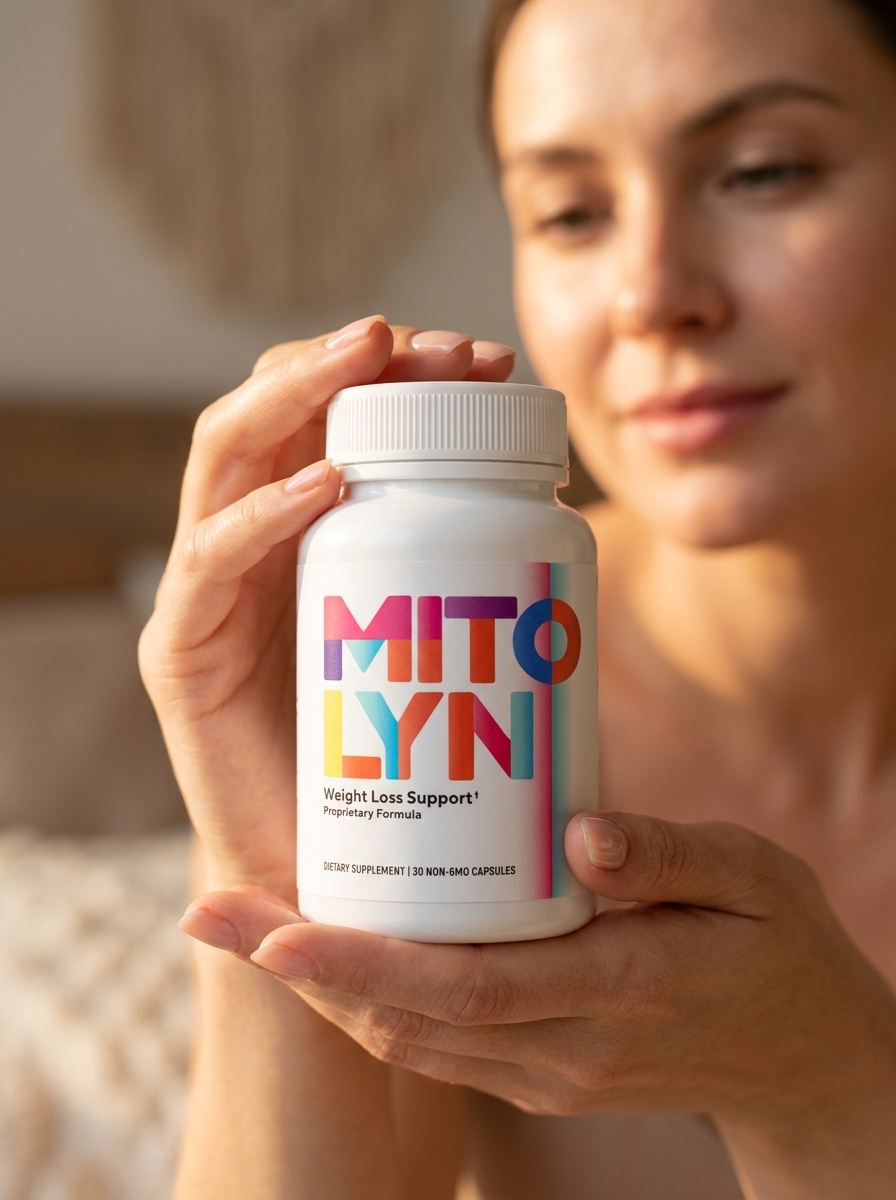
Support Your Eyes From Within
When screen fatigue hits by 3pm, your cells need more than artificial tears.
Mitolyn delivers astaxanthin directly to your eye tissues, supporting the mitochondria that power tear production and natural antioxidant defenses. Unlike surface treatments, this works at the cellular level where digital strain actually starts. Experience eyes that stay comfortable through long work days.
- ✓ Eyes that feel present, not strained
- ✓ Natural tear quality that actually works
- ✓ Energy for the tissues that need it most
Small Changes That Amplified the Results
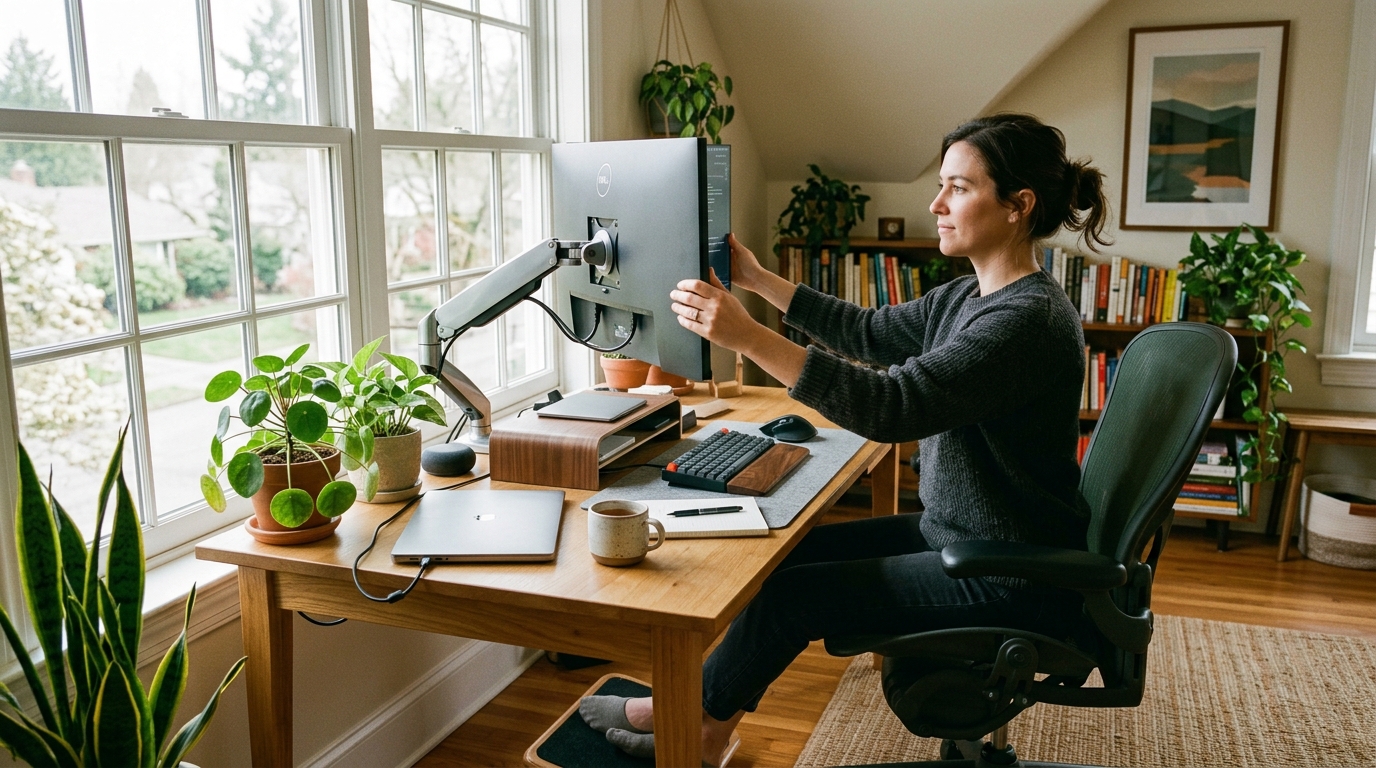
Taking Mitolyn was the foundation, but I found that small environmental adjustments amplified the benefits significantly. I moved my monitor slightly farther away and adjusted the height so I wasn’t looking up at the screen — this reduced the surface area of my eyes exposed to air and decreased tear evaporation. I also started the 20-20-20 rule religiously: every 20 minutes, look at something 20 feet away for 20 seconds.
This isn’t just about resting your focusing muscles — it’s about giving your blink reflex a chance to reset and spread fresh tears across your eyes.
The combination of cellular support from Mitolyn and these simple habits created a compound effect. My eyes stopped feeling like they were fighting an uphill battle all day.
Want to feel what comfortable eyes actually feel like?
What Comfortable Eyes Actually Feel Like

I’d forgotten what it felt like to reach the end of a workday without eye fatigue. Now, even after eight hours of screen time, my eyes feel present rather than strained. There’s no gritty sensation, no urge to squeeze them shut and rub them. They just feel like they’re doing their job without drama.
The real test came during a particularly intense project week — twelve-hour days, multiple screens, late nights reviewing documents. In the past, this would have left my eyes feeling raw and irritated for days afterward. This time, I sailed through without any of the usual aftermath.
It’s not that I don’t feel tired after long work sessions — I do. But it’s a good tired, the kind that comes from using your energy well rather than fighting against your own biology. My eyes feel like they’re on the same team as the rest of me now.
Ready to work late without your eyes paying the price?
The Relief I Didn’t Know I Needed

Looking back, I realize how much mental energy I was spending on eye discomfort. The constant low-level irritation, the afternoon slumps when my vision felt fuzzy, the way I’d avoid certain tasks because they required too much visual focus — all of that cognitive load just disappeared. Now my eyes feel like a reliable part of my daily toolkit rather than a limiting factor.
I can work late when inspiration strikes, read for pleasure in the evenings, or tackle detail-heavy projects without calculating whether my eyes can handle it. That freedom is worth more than I initially understood.
The most unexpected benefit? Better sleep. When your eyes aren’t chronically inflamed and strained, you don’t carry that tension into the evening.
My whole face relaxes more completely now, and I wake up without that tight feeling around my eyes that used to signal another challenging day ahead.
Written by Elias Menden — for those who seek lasting comfort
Time to support the mitochondria that power your vision.