Some mornings are not deeply exhausted. They are delayed. You are awake enough to move, speak, and start the day, but the part of your mind that feels sharp, available, and coordinated does not arrive on time. The body is present. The concentration is late. That kind of brain fog can be frustrating because it looks minor from the outside while making ordinary work feel much harder than it should.
I used to describe this as being mentally behind my own morning. Coffee would wake me up, but it would not always make me clearer. Messages still took longer. Reading the same paragraph twice felt normal. I could function, but it felt as if my mind needed half the morning to climb into the same room as the rest of me.
This topic works well for IyoMend because it sits between broad focus content and product intent. Readers who eventually compare best focus supplements for brain fog and motivation or the memory angle at the memory formula that changes everything about brain fog often begin with a simpler complaint: “Why does it take so long for my brain to come online?” This page answers that without overdiagnosing normal bad days.
Why Can You Be Awake but Still Not Mentally Clear?

Being awake is not the same thing as being cognitively ready. The National Heart, Lung, and Blood Institute explains that sleep deficiency can cause problems with learning, focusing, reacting, decision-making, and memory. That is useful because it describes exactly how a slow morning often feels in real life: not dramatic sleepiness, but a mind that is slower to organize itself.
What changed for me was realizing that the slow start was often physical, not moral. Sleep debt, a noisy first hour, dehydration, or a too-light breakfast could all leave the brain technically on but not fully ready. That distinction matters. When a reader understands the brain as a body system rather than a motivation machine, the next steps become much more practical.
It also keeps the article medically responsible. A page like this should not imply that every slow morning is a hidden neurological problem. It should help the reader observe ordinary contributors first and seek evaluation if symptoms are persistent, severe, or out of character.
What Usually Makes the First Hour of the Day Feel So Thin?

The first hour tends to feel thin when it fills up with input before it receives any support. Phone notifications, immediate task-switching, not enough water, too little food, and a rushed mental start can combine into one low-grade cognitive drag. None of those choices are catastrophic. Together, they can make focus arrive late and leave early.
I kept noticing the same sequence on my worst mornings: coffee first, no water, too much screen noise, and work before my brain had any calm runway. The day began with extraction instead of support. That is why the solution rarely lives in a stronger stimulant alone. The first hour needs fewer drains and more scaffolding.
- light and water before more input
- a breakfast with real substance instead of caffeine alone
- a calmer work on-ramp with one task, not six open loops
- less pressure to perform instantly after waking
These steps sound almost too basic, but that is usually the point. The brain often wants steadiness before it wants intensity.
How Much Should Nutrient Talk Matter in a Page Like This?

Nutrient talk should matter, but it needs discipline. The Office of Dietary Supplements notes that vitamin B12 is required for the normal function of the central nervous system. That is worth citing because it reinforces that cognition has real biological dependencies. But official sources also make clear that nutrient discussion is not the same as proving that a supplement will fix every case of brain fog.
That balance is important editorially. Readers deserve to know that the brain relies on sleep, nourishment, circulation, and healthy signaling. They also deserve honesty that normal foggy mornings can have many causes, and that supplement marketing often overstates certainty. Good affiliate content earns trust by narrowing the claim, not inflating it.
I like keeping this section grounded in mechanisms rather than miracles. The goal is not to convince the reader that one nutrient explains every slow morning. The goal is to show that sleep, food, hydration, and brain function are connected enough that a calmer routine is a more rational starting point than pure guesswork.
This is also a good place to point toward IyoMend’s deeper cluster. Someone who sees a nutrient angle may next want natural supplements to boost focus without the crash or the broader buyer-intent page at best focus supplements for brain fog and motivation before deciding whether a dedicated blend fits.
What Daily Routine Usually Helps a Slow Mind Arrive Earlier?

The routine that helps most is less glamorous than people expect. Protect sleep the night before. Start with water. Get light early. Eat something that actually counts as breakfast. Reduce the first hour’s cognitive clutter. Give the brain a single track before asking it to juggle. These are low-friction habits, but they create the kind of container that lets clarity show up sooner.
I also like the sleep-diary recommendation from NHLBI for readers whose mornings keep feeling off. Writing down when you sleep, when you wake, and how alert you feel can reveal whether the problem is drifting bedtime, fragmented sleep, a too-late stimulant habit, or simple inconsistency. That is the kind of pattern awareness that makes any supplement decision more informed.
When the routine is steadier, you can finally tell whether the brain is improving or whether the morning is just being pushed around by randomness. That is a big trust win for the article.
It also lowers pressure. Many people make the morning worse by demanding immediate sharpness from a mind that needs a gentler runway. If the first hour becomes more protected, the reader often stops spending it in a loop of caffeine, guilt, and tab-switching that never really produces clarity.
Where Does CogniCare Pro Fit Without Turning the Page Into Hype?
CogniCare Pro fits after the reader understands the slow-morning pattern and has basic support in place. It belongs beside sleep protection, hydration, a calmer first hour, and a more reliable breakfast. Positioned that way, it becomes one option inside a cognitive-support routine rather than a dramatic rescue claim.
That is the only placement that makes sense for a page like this. The reader is not looking for louder stimulation. The reader wants a cleaner start, steadier recall, and less drag getting into the workday. One product card is enough to offer that path without crowding the content.
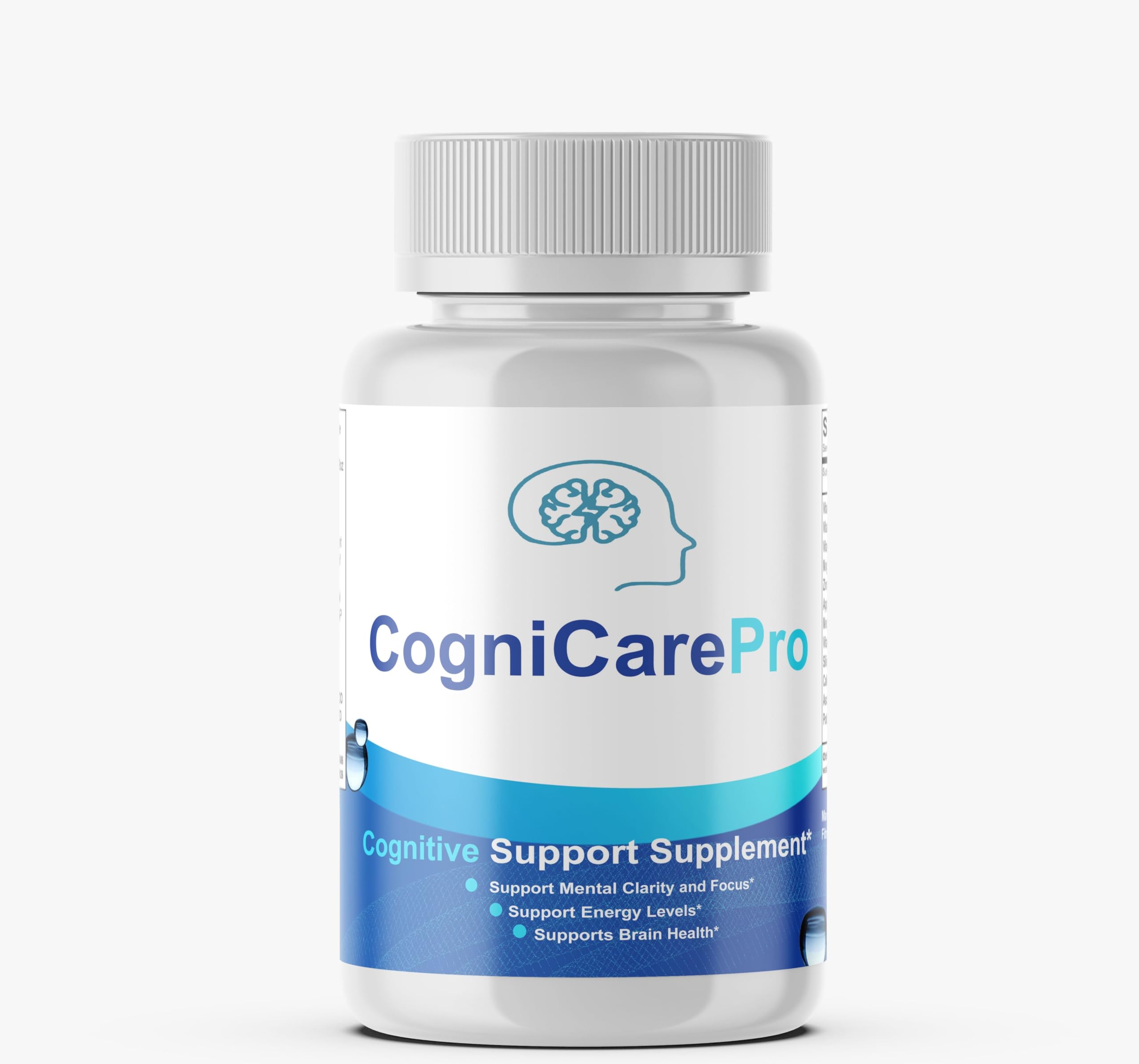
The conversion works better when the copy stays disciplined. No promises of genius. No pretending a capsule replaces sleep. Just one product path for a reader who wants to support clarity in a measured way.
Which Internal Links and Safety Notes Strengthen This Topic?
The strongest internal links are the ones that help the reader sharpen the problem: best focus supplements for brain fog and motivation for comparison shopping, the memory formula that changes everything about brain fog for recall-specific intent, and natural supplements to boost focus without the crash for people who are still comparing ingredient styles.
The safety note should stay visible in the tone of the article even if it is not a giant warning box. Persistent cognitive changes, severe sleepiness, new neurological symptoms, medication concerns, and major functional decline deserve medical evaluation. The point of this page is to improve self-observation and reduce hype, not to keep someone away from care they may need.
What Does a Better Morning Actually Feel Like?
A better morning usually feels calm before it feels impressive. The mind links thoughts faster. One paragraph is enough. Simple decisions stop feeling sticky. Work begins with less internal resistance because the brain is not spending its first hour trying to catch up from behind.
That is the outcome this article should promise: earlier mental arrival, not perfection. If sleep is better, the first hour is gentler, and the reader wants one extra support step, CogniCare Pro gives the page a clean conversion path. But the deeper value is that the reader finally has a framework for why some mornings feel mentally late and what to change before reaching for more intensity.
I like this ending because it makes the benefit feel human instead of optimized. You answer the first email with less drag. You hold a conversation without losing the thread halfway through. You stop confusing “louder” with “clearer.” That is what a good slow-morning article should help the reader recover.
Written by Elias Menden — for readers who want clearer mornings, steadier recall, and a gentler on-ramp into deep work.