There’s this moment in the grocery store when you’re standing in front of the oils, nuts, and fish, feeling like you’re supposed to know something important but not quite sure what. The labels blur together—omega-3, omega-6, saturated, unsaturated—and you find yourself reaching for whatever feels familiar, hoping it’s right.
I’ve been there too, holding a bottle of olive oil while wondering if the expensive one really makes a difference, or scanning salmon labels trying to decode what “wild-caught” actually means for my cells. What I’ve learned is that our bodies are remarkably specific about the fats they need, and when we listen closely, they tell us exactly what nourishes them.
The truth about healthy fats isn’t complicated, but it is personal. Your cells have preferences, rhythms, and needs that shift with your life.
Understanding which fats truly serve you feels like learning a new language—one your body has been trying to speak all along.
When Your Cells Remember What They Need

There’s something beautiful about how your body responds when you feed it the right fats. I notice it first in my skin—that subtle shift from feeling tight and dull to soft and supple. Then it’s my energy, steadier somehow, less of those afternoon dips that used to send me searching for caffeine.
Your cell membranes are made largely of fatty acids, which means the quality of fats you eat becomes part of the structure of every cell in your body. When you choose nourishing fats, you’re literally building healthier cells. When you choose processed or damaged fats, your cells reflect that too.
The omega-3 fatty acids—particularly EPA and DHA—are like premium building materials for your brain and nervous system. They create flexible, responsive cell membranes that allow nutrients to flow in and waste to flow out efficiently. Your brain is about 60% fat, and the type of fat you consume directly influences how well your neurons communicate. But it’s not just about omega-3s.
Your body also needs omega-6 fatty acids, though in smaller amounts than most of us typically consume. The key is balance—roughly a 1:4 ratio of omega-3 to omega-6, though the modern diet often skews heavily toward omega-6 through processed foods and certain vegetable oils.
Ready to give your cells the targeted support they’ve been asking for?
The Ocean’s Gift to Your Brain
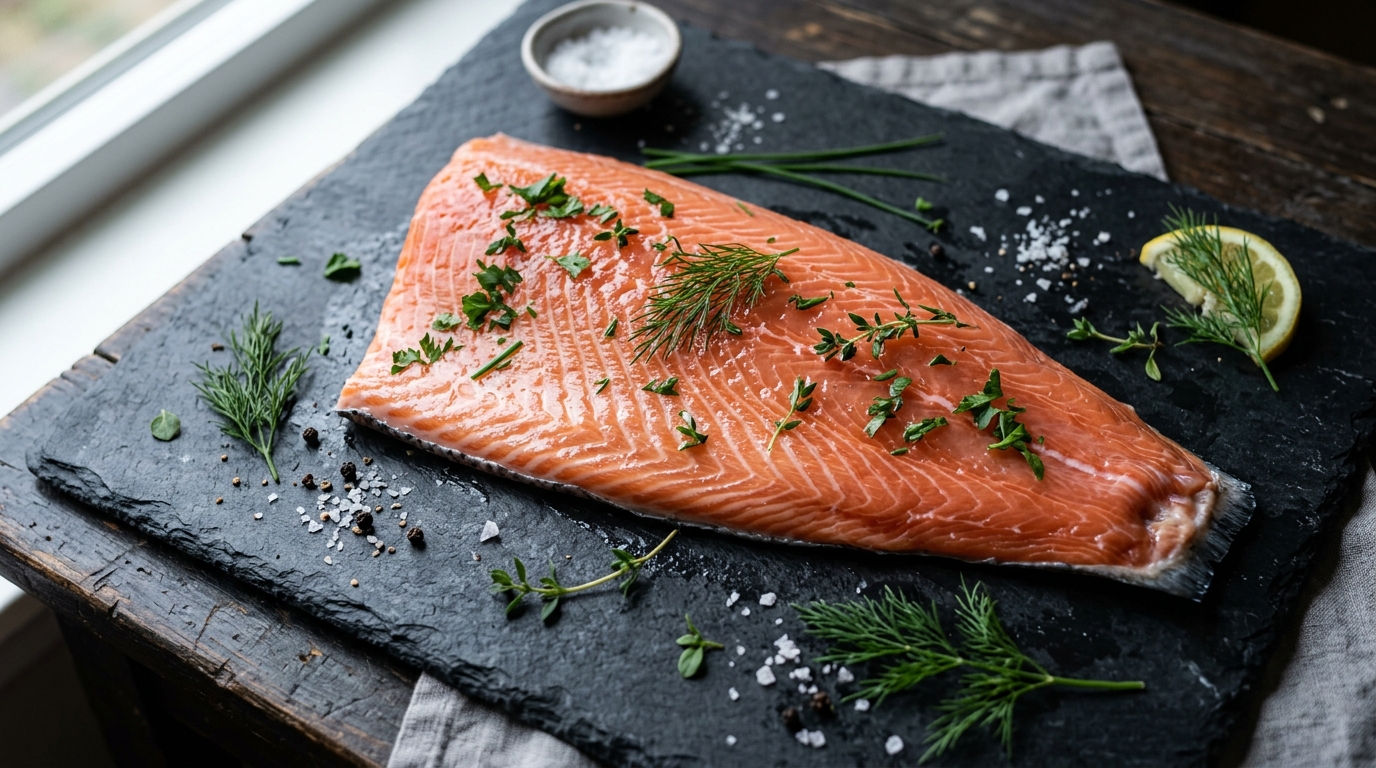
Wild salmon appears on my plate at least twice a week now, and it feels like a small ritual of self-care. There’s something about the deep coral color that speaks of nutrients concentrated by years in cold, clean water. The flesh flakes perfectly when it’s done, releasing that subtle oceanic aroma that tells you something powerful is about to nourish you.
Fatty fish like salmon, sardines, mackerel, and anchovies offer the most bioavailable forms of EPA and DHA. These aren’t the same omega-3s you find in flax seeds or walnuts—those contain ALA, which your body has to convert to EPA and DHA, and that conversion is often inefficient.
I’ve learned to look for wild-caught when possible, not out of food snobbery, but because wild fish typically have higher omega-3 content and fewer contaminants.
Sardines have become an unexpected favorite—small fish, lower on the food chain, with concentrated nutrients and minimal mercury concerns. They taste like the sea in the best way, especially with a squeeze of lemon and a sprinkle of sea salt. If fish feels challenging, fish oil supplements can bridge the gap, but the whole food versions offer additional nutrients—protein, vitamin D, selenium—that work synergistically with the omega-3s.
Your body recognizes and processes whole foods more readily than isolated nutrients.
Your mitochondria are waiting for the nutrients they need to create lasting energy.
The Quiet Power of Plant Fats

My morning routine includes a small handful of walnuts, and I’ve come to appreciate their slight bitterness as a sign of their omega-3 content. They’re one of the few plant foods rich in these essential fats, though as I mentioned, the ALA they contain needs to be converted by your body into the more active forms. Flax seeds ground fresh each morning release their oils into my smoothie, adding a nutty depth and a dose of lignans—plant compounds that support hormonal balance.
Chia seeds expand in liquid, creating that satisfying gel texture that makes puddings feel indulgent while delivering steady energy. Hemp hearts have this incredibly creamy, almost buttery flavor that transforms salads and yogurt bowls. They offer a unique balance of omega-3 and omega-6 fatty acids, plus complete protein—all nine essential amino acids your body can’t make on its own.
Avocados deserve their own mention for their monounsaturated fats—the kind that supports heart health and helps your body absorb fat-soluble vitamins. There’s something deeply satisfying about the creamy texture and mild flavor that makes vegetables feel more luxurious and keeps you satisfied longer.
Transform healthy fats into sustained vitality with targeted mitochondrial support.
The Ancient Oils That Still Matter

Extra virgin olive oil sits on my counter in a dark glass bottle, protected from light that would damage its delicate compounds. I use it generously—drizzled over vegetables, whisked into dressings, finishing cooked dishes with its grassy, peppery notes. The “extra virgin” designation matters because it means the oil was extracted without heat or chemicals, preserving the antioxidants and anti-inflammatory compounds that give olive oil its health benefits.
These polyphenols work alongside the monounsaturated fats to support cardiovascular health and reduce inflammation throughout your body. Coconut oil brings different benefits—medium-chain triglycerides that your body can use quickly for energy rather than storing as fat. It’s particularly useful for brain health, as those medium-chain fats can cross the blood-brain barrier and provide immediate fuel for your neurons.
I keep avocado oil for higher-heat cooking because of its neutral flavor and high smoke point. Unlike many vegetable oils, avocado oil remains stable when heated, so it doesn’t oxidize and create harmful compounds that can cause inflammation in your body.
Feel the difference when your cellular powerhouses have everything they need.
What Your Mitochondria Actually Need

Here’s where things get interesting—while all these healthy fats provide raw materials for your cells, your mitochondria need specific support to transform those nutrients into energy efficiently. These tiny powerhouses in every cell determine how vibrant you feel, how clearly you think, and how well your body repairs itself. Even with perfect nutrition, mitochondria can become sluggish over time due to stress, toxins, and the natural aging process.
They need targeted nutrients to maintain their energy-producing capacity—compounds that support the electron transport chain, protect against oxidative damage, and enhance cellular respiration.
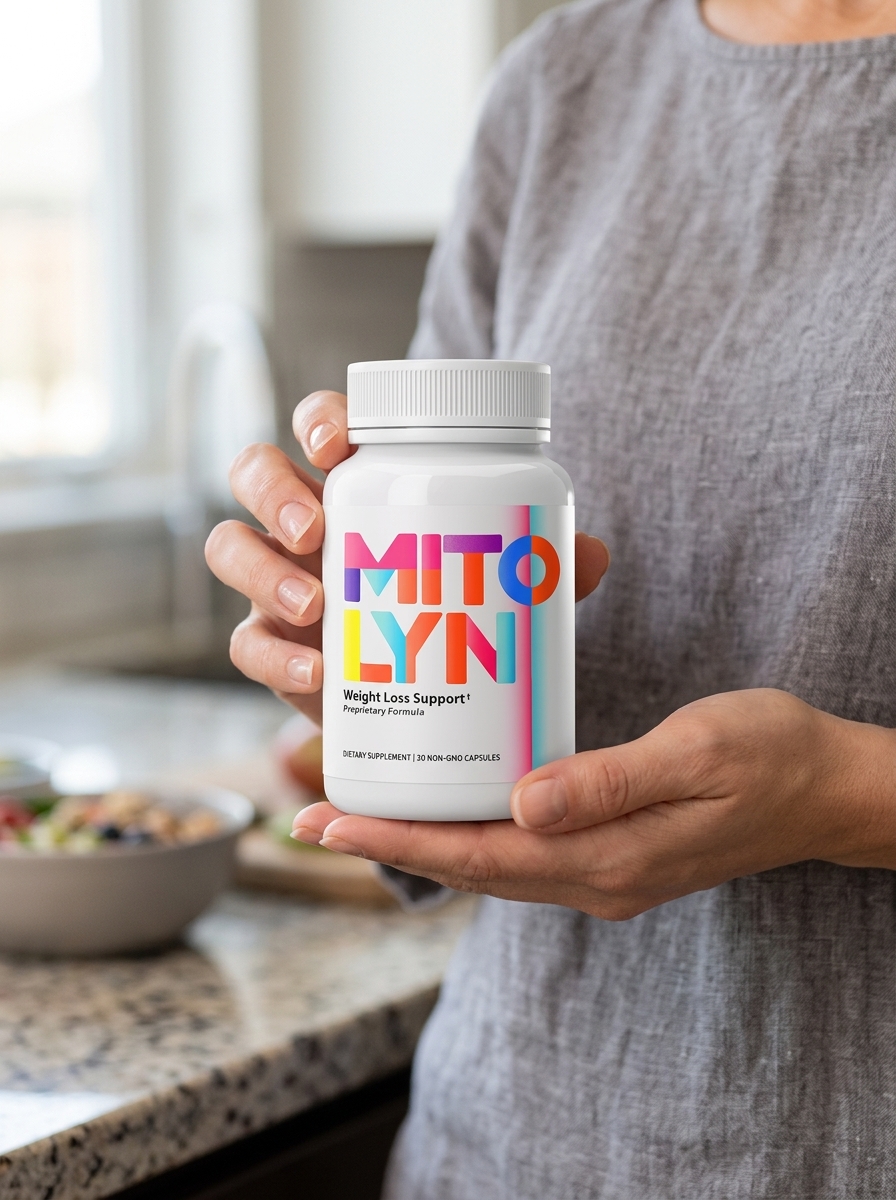
This is where Mitolyn becomes relevant. While dietary fats provide the foundation for cellular health, Mitolyn delivers specific nutrients that mitochondria use to convert those fats into usable energy. It’s like giving your cellular powerhouses the premium fuel they need to run efficiently.
The combination works beautifully—nourishing fats from whole foods create healthy cell membranes, while targeted mitochondrial support ensures those cells can actually use the nutrients you’re providing.
It’s the difference between having high-quality ingredients and having the right conditions to create something extraordinary with them.
Fuel Your Cellular Powerhouses
While healthy fats nourish your cells, your mitochondria need specific support to create lasting energy.
Mitolyn delivers targeted nutrients that help your mitochondria transform the healthy fats you eat into usable energy. Support the powerhouses in every cell with compounds designed for optimal cellular respiration and energy production. Feel the difference when your cells have everything they need to thrive.
- ✓ Energy that sustains you through long days
- ✓ Mental clarity without afternoon crashes
- ✓ Cellular support that works with your nutrition
The Balance Your Body Recognizes

I’ve learned that the ratio of different fats matters as much as the quality. Too much omega-6 from processed foods can create inflammation, while too little fat overall leaves you feeling unsatisfied and craving sugar. The sweet spot seems to be when about 30% of your calories come from healthy fats—enough to support hormone production and nutrient absorption without overwhelming your system. Saturated fats, once vilified, have their place too.
Your body makes hormones from cholesterol, and some saturated fat in the context of a whole-foods diet supports this process. Grass-fed butter, pasture-raised eggs, and organic coconut oil provide saturated fats along with other beneficial compounds.
The inflammatory fats to minimize are the highly processed vegetable oils—corn, soy, sunflower, safflower—that are often heated and chemically treated during processing. These show up in most packaged foods and restaurant cooking, creating an omega-6 overload that can promote inflammation throughout your body.
When I meal plan now, I think about fat balance across the day—omega-3s from fish or walnuts, monounsaturated fats from olive oil and avocado, a small amount of saturated fat from coconut oil or grass-fed dairy. This variety ensures my cells get all the building blocks they need.
Your body knows what it needs—give your mitochondria the support to thrive.
When Food Becomes Medicine

The shift happened gradually—energy that lasted through afternoon meetings, skin that glowed without expensive serums, joints that moved smoothly after long walks. These weren’t dramatic changes, just a steady return to feeling like myself again, only better. Your brain fog lifts when it has the fats it needs for optimal neurotransmitter function. Your mood stabilizes when your hormones have the raw materials for balanced production.
Your inflammation decreases when you provide anti-inflammatory compounds instead of inflammatory ones. The beautiful thing about nourishing your cells with quality fats is that the benefits compound over time. Each healthy meal builds upon the last, creating cell membranes that are more flexible, mitochondria that produce energy more efficiently, and a body that responds with vitality rather than fatigue.
This isn’t about perfection or never eating processed foods again. It’s about creating a foundation of cellular nutrition that allows your body to handle occasional indulgences without losing its equilibrium. When your cells are well-nourished most of the time, they’re resilient enough to process the occasional less-than-ideal choice without lasting damage.
Ready for energy that lasts all day without the afternoon crash?
The Gentle Art of Listening

Your body has been trying to tell you what it needs all along. The way your energy dips after certain meals. How some foods leave you satisfied for hours while others have you searching the pantry an hour later. The difference in how your skin looks when you’ve been eating well versus when you haven’t. These signals become clearer when you start providing high-quality fats consistently.
Your appetite regulates naturally when your cells are well-nourished. Your cravings shift from processed foods toward whole foods that actually satisfy your body’s needs.
The grocery store feels different now too. Instead of confusion, there’s confidence. You reach for the wild salmon, the extra virgin olive oil, the organic nuts. Your cart fills with foods that nourish rather than just fill space. Each choice becomes an act of care for the trillions of cells that make up who you are.
This is how healing happens—not through restriction or complicated protocols, but through the simple, consistent choice to feed your cells what they’re asking for. One meal, one day, one nourishing fat at a time.
Written by Liora Menden — for those who seek cellular nourishment
Ready to feel the difference this formula makes?