It wasn’t the kind of tired you feel after a long day. This was different—deeper. Like someone had dimmed the lights inside every cell in my body, and no amount of coffee or willpower could flip the switch back on. I’d wake up feeling like I’d already run a marathon, drag myself through meetings that used to energize me, and collapse on the couch by 7 PM wondering where my vitality had gone.
Sound familiar? If you’re nodding along, you’re not alone. What I discovered was that my exhaustion wasn’t coming from my schedule or my stress levels—it was happening at the cellular level. My mitochondria, those tiny powerhouses that fuel every function in our bodies, were struggling to keep up.
The journey to understanding cellular fatigue led me through countless supplement aisles, research papers, and conversations with health professionals. What I learned changed everything about how I approach energy—and it might change yours too.
The Exhaustion That Sleep Cannot Touch

For months, I blamed everything else. My job was demanding, sure, but I’d handled pressure before. Maybe I needed more sleep—so I went to bed earlier. Maybe I needed better sleep—so I bought blackout curtains and a white noise machine. Maybe I needed to exercise more—so I dragged myself to the gym, only to feel more drained afterward.
The frustration was maddening. Friends would suggest the usual remedies: more protein, less sugar, meditation apps, vitamin D. I tried them all. Some helped marginally, but nothing addressed the core issue—that bone-deep weariness that seemed to emanate from somewhere much deeper than my muscles or my mind.
What I didn’t understand then was that true energy production happens in the microscopic furnaces inside our cells.
When those furnaces start sputtering, no amount of external fixes can compensate. Your body might look fine from the outside, but internally, it’s running on fumes.
Ready to power your cells instead of forcing temporary energy?
The Hidden Energy Crisis in Modern Life

Here’s what most people don’t realize: our mitochondria are under attack. The processed foods we eat, the toxins we breathe, the chronic stress we carry—it all takes a toll on these cellular powerhouses. Think of mitochondria as tiny engines that convert the food we eat into usable energy. When these engines get clogged or damaged, everything slows down.
The symptoms show up everywhere. Your brain feels foggy because your neurons aren’t getting enough fuel. Your muscles ache because they can’t efficiently clear metabolic waste. Your mood drops because neurotransmitter production requires enormous amounts of cellular energy. You might even notice your skin looking dull or your hair losing its shine—external signs of internal energy depletion.
Modern medicine often misses this connection. We’re great at treating symptoms—prescribing stimulants for fatigue, antidepressants for low mood, pain relievers for aches—but we rarely address the underlying energy crisis happening in our cells. It’s like trying to fix a car’s performance problems by polishing the paint instead of tuning the engine.
Discover what cellular energy feels like when it’s working properly.
Why Standard Energy Solutions Fall Short

I spent years cycling through the typical energy solutions. B-complex vitamins gave me a brief boost, then left me feeling worse. Iron supplements sat heavy in my stomach without moving the needle. CoQ10 was expensive and seemed to do nothing at all. Energy drinks were a disaster—a brief spike followed by a crash that left me more depleted than before.
The problem with most energy supplements is that they work around the mitochondria instead of with them. They might provide temporary stimulation or fill basic nutritional gaps, but they don’t address the fundamental issue: helping your cellular engines run more efficiently.
Even worse, many popular energy solutions actually stress the mitochondria further. Caffeine forces them to work harder without providing the tools they need for optimal function. Sugar creates inflammatory spikes that damage cellular machinery. Synthetic stimulants can overstimulate already struggling mitochondria, leading to even greater burnout over time.
Stop borrowing energy you’ll have to pay back later.
The Science of Cellular Energy Production
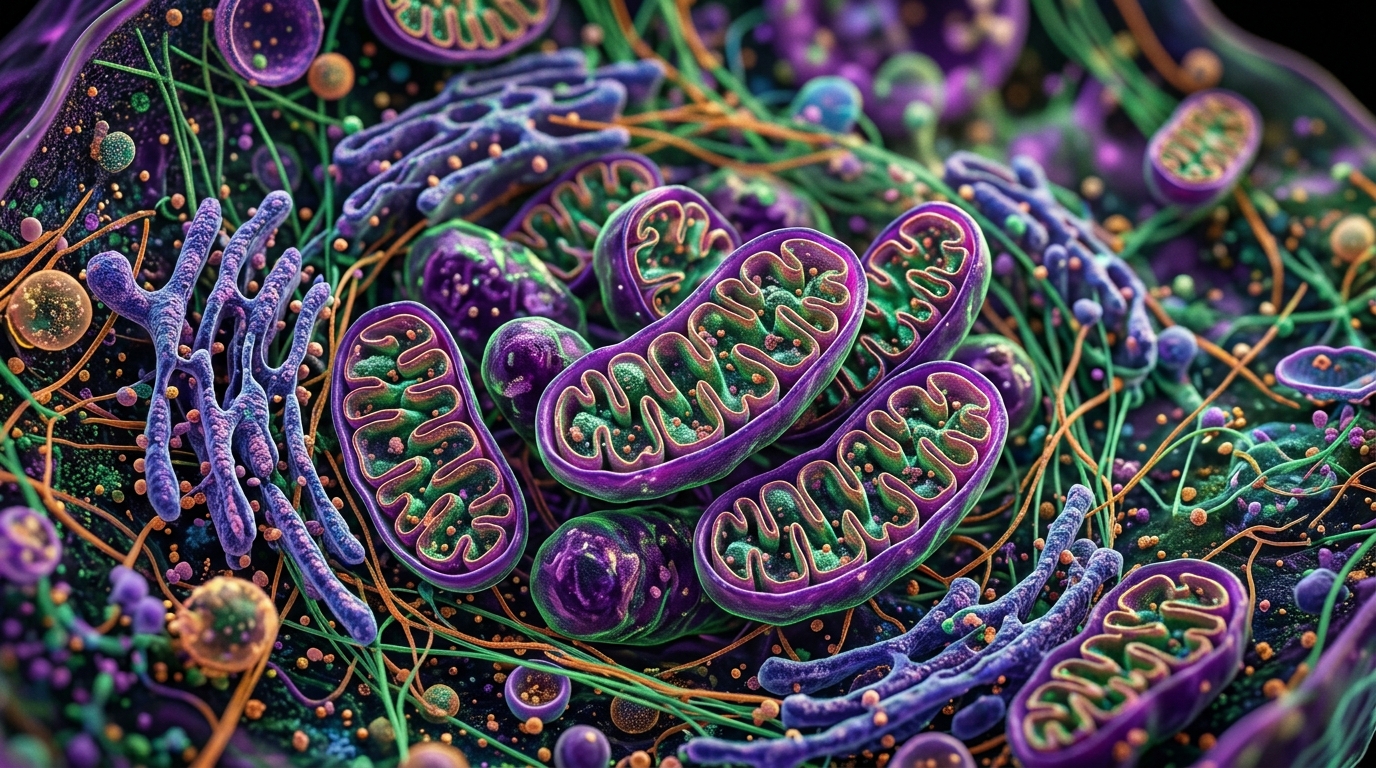
Understanding how energy actually gets made in your body was a revelation for me. It’s not as simple as eating food and having energy appear. Your mitochondria have to convert nutrients through a complex process called cellular respiration—think of it as a sophisticated manufacturing operation that requires specific raw materials and optimal conditions.
When this process works smoothly, you feel unstoppable. Your brain fires on all cylinders, your muscles respond eagerly, and you have that steady, sustainable energy that carries you through whatever the day throws at you. But when the process gets disrupted—by poor nutrition, oxidative stress, or aging—everything starts to break down.
The key insight that changed everything for me was this: instead of trying to force more energy into a struggling system, I needed to help my mitochondria work better.
That meant finding a supplement that actually supported the cellular energy production process, not just masked the symptoms of energy depletion.
Experience the difference between stimulation and true cellular support.
The Moment Everything Changed

Three months ago, a colleague mentioned something that caught my attention. She’d been struggling with the same cellular-level fatigue I recognized in myself, but suddenly she was different—more present, more vibrant, with a kind of steady energy I hadn’t seen in her for years. When I asked what had changed, she told me about MitoThrive.
“It’s not like other energy supplements,” she explained. “It actually helps your mitochondria work the way they’re supposed to.” She described how it supported her body’s natural energy production processes instead of artificially stimulating them. No crashes, no jitters, just a gradual return to feeling like herself again.
I was skeptical—I’d tried so many supplements by that point. But something about her description resonated. This wasn’t about forcing energy into a broken system; it was about repairing the system itself. Within a week of starting MitoThrive, I began to notice subtle changes. My afternoon slump wasn’t as severe. I woke up feeling more refreshed. Most importantly, I could sustain my energy throughout the day without that desperate need for stimulants.
Power Your Cells Naturally
Finally, energy that builds instead of borrowed time that crashes.
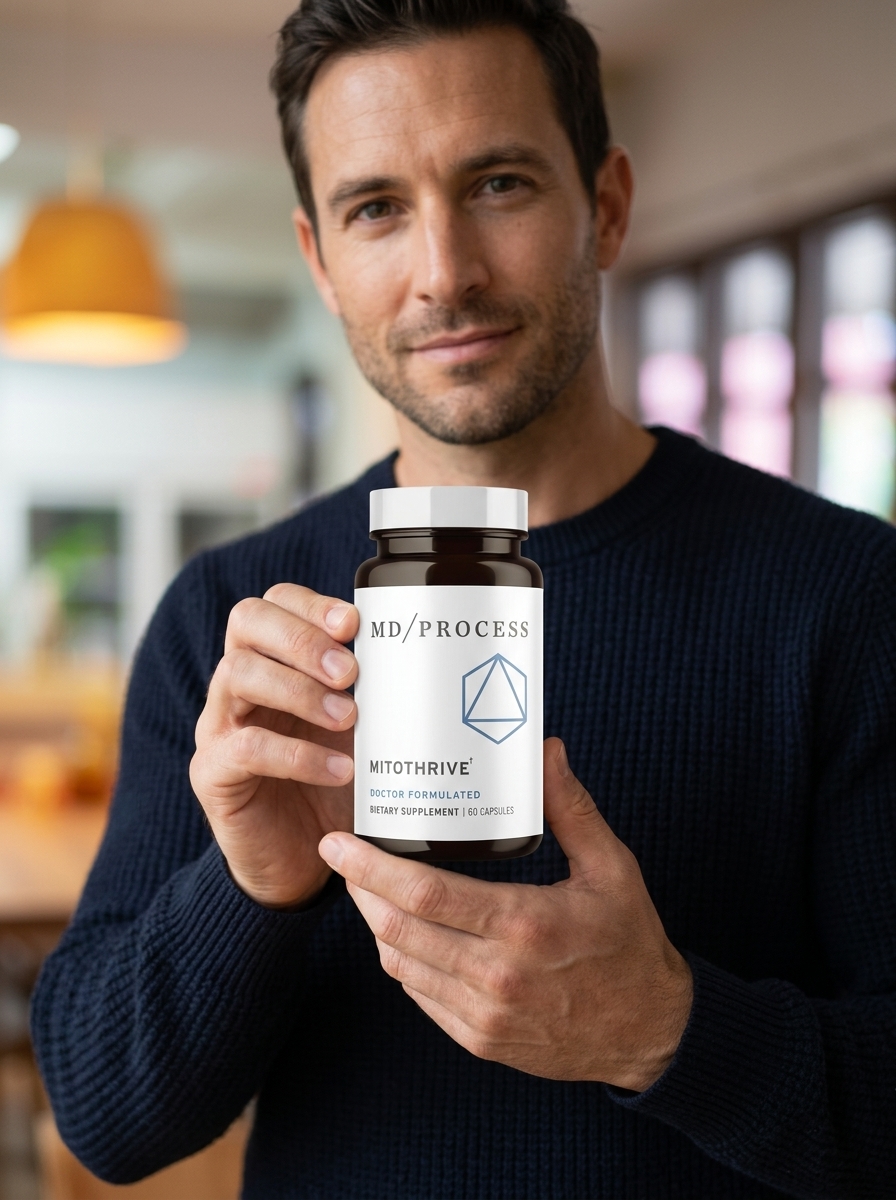
MitoThrive targets your mitochondria—the cellular powerhouses that create real, sustainable energy. Instead of masking exhaustion with stimulants, it provides the specific nutrients your cells need to optimize their natural energy production. No jitters, no crashes, just steady vitality that lasts.
- ✓ Steady energy without afternoon crashes
- ✓ Mental clarity that feels effortless
- ✓ Physical stamina that doesn’t fade
Understanding What Actually Works

What makes MitoThrive different from the dozens of energy supplements I’d tried before? It comes down to targeting the root cause rather than masking symptoms. Instead of providing temporary stimulation, it gives your mitochondria the specific nutrients they need to optimize their energy production processes.
The science behind it is fascinating. Your mitochondria need certain compounds to function efficiently—antioxidants to protect them from damage, cofactors to support energy conversion, and specific nutrients that help maintain their structural integrity. Most supplements provide one or two of these elements. MitoThrive provides a comprehensive system of mitochondrial support.
What struck me most was how gentle the process felt. There were no dramatic ups and downs, no artificial highs followed by crushing lows. Instead, over the course of several weeks, I simply began to feel more like myself—the version of myself I remembered from years ago, before the gradual energy decline had become my new normal.
Your cells deserve the nutrients they need to thrive naturally.
The Transformation of Daily Life

Six weeks into taking MitoThrive consistently, people started commenting on the change. “You seem more energetic,” my wife observed one evening as I cleaned up the kitchen instead of collapsing on the couch. She was right—I was doing things I’d stopped doing without even realizing it. Taking evening walks. Having energy for conversations after dinner. Waking up naturally instead of hitting snooze repeatedly.
The mental clarity was perhaps the most noticeable improvement. That foggy feeling I’d accepted as normal began to lift. I could focus on complex tasks for longer periods without feeling mentally drained. Creative ideas started flowing again during meetings. I even rediscovered my enjoyment of reading in the evenings—something I’d abandoned because I was too mentally exhausted to concentrate on anything more challenging than television.
Physical activities that had become burdensome started feeling natural again. Weekend hikes with friends, playing with my kids in the yard, even the energy to tackle home improvement projects I’d been putting off for months. It wasn’t that I suddenly had superhuman stamina—I just had consistent, reliable energy throughout the day instead of feeling like I was running on empty.
Join those who’ve discovered sustainable energy without crashes.
A New Understanding of What Energy Really Means

Looking back, I realize how much I’d lowered my expectations without even knowing it. I’d accepted fatigue as an inevitable part of getting older, attributed my energy dips to a busy lifestyle, and convinced myself that feeling tired was just normal for someone my age. MitoThrive helped me understand that cellular fatigue isn’t something you have to live with—it’s something you can address.
The difference between artificial energy and cellular energy is profound.
Artificial energy feels borrowed—you know you’ll have to pay it back later. Cellular energy feels owned. It’s steady, sustainable, and doesn’t leave you worse off than when you started. It’s the difference between whipping a tired horse to run faster and actually feeding the horse proper nutrition so it can run naturally.
Now when I wake up in the morning, I don’t immediately calculate how much caffeine I’ll need to get through the day. When afternoon arrives, I don’t brace myself for the inevitable energy crash. When evening comes, I have enough left in the tank to be present with my family, to pursue interests that matter to me, to feel like I’m living instead of just surviving. That’s what real energy feels like—not the artificial high of stimulants, but the steady, reliable power that comes from cells that are working the way they’re designed to.
Written by Elias Menden — for those who seek cellular vitality
Ready to feel the difference this formula makes?