
Digital eye strain usually sounds smaller than it feels. Most readers arrive here thinking they need a simple eye-health tip, but what they are really describing is a whole workday that slowly turns hostile. Their eyes feel dry, their patience gets thinner, and their focus starts wobbling after too many hours of bright tabs, tiny text, and near-constant switching between tasks.
I noticed the same pattern in my own routine long before I had a cleaner name for it. The first sign was not pain. It was how much harder it became to hold a thought once my eyes started feeling overused. Reading took longer. Decision-making got sticky. By evening, even a calm screen looked louder than it should have. That overlap is why the best supplements for digital eye strain are rarely just an “eye” conversation. They belong inside a focus-and-recovery conversation too.
This page keeps that promise practical. I am not treating a supplement like a substitute for an eye exam, and I am not pretending one capsule can erase reckless screen habits. I am sorting the ingredients and routines that make the most sense for readers whose screen-heavy days keep draining both visual comfort and mental stamina.
Why does digital eye strain feel like more than tired eyes?
Because long sessions of near-focus do more than dry the surface of your eyes. You blink less, hold tension in your face and neck, and keep your attention pinned to a narrow visual range for hours at a time. The National Eye Institute’s overview of computer vision syndrome explains that screens can trigger blurry vision, dry eyes, headaches, and neck strain, especially when lighting, breaks, and viewing distance are poor. See NEI guidance on computer vision syndrome.

In practice, that means the “eye strain” label often hides a bigger experience. You are not only dealing with dry eyes. You are dealing with a workday that keeps asking the same tired visual system to stay precise. That is why I connect this page with our focus-support guide and our brain-fog and energy explainer. The qualified traffic here is often looking for relief that makes the whole day feel easier to finish.
Which nutrients make the most sense when screens leave your eyes overworked?
Lutein and zeaxanthin are the cleanest first lane for readers who want a nutrition-based answer. The NIH Office of Dietary Supplements notes that these carotenoids accumulate in the retina and are studied for macular and visual support, which makes them more relevant than random “eye detox” marketing. See NIH ODS on lutein and zeaxanthin.
Omega-3s matter when dryness is part of the story. Astaxanthin can make sense for readers who want antioxidant support. But the right answer still depends on the actual pattern. If your problem is mostly sandy, dry eyes, that path looks different from the reader whose screen day ends in fuzzy focus and mental drag.

That is where readers get into trouble. They start mixing every ingredient that sounds “good for eyes” without deciding what problem they are actually trying to soften. I would rather see a smaller, cleaner routine that matches the real signal than a cluttered stack that is impossible to judge honestly.
What habits make supplements work better for screen-heavy days?
Supplements help more when the day stops fighting them. The best practical upgrades are still unglamorous: larger text, fewer hours of glare, breaks before your eyes feel scorched, and distance changes that force your gaze to relax. I learned that a short walk or even a minute spent looking past the far edge of the room worked better than waiting until my eyes were already buzzing.
Readers also do better when the habits support focus as much as vision. That means hydration at the desk, a cleaner evening stop to screen use, and less task-switching when your eyes are already tired. If your evenings usually end with headaches, blurred focus, or a short fuse, those symptoms deserve a wider recovery plan instead of another “eye vitamin” impulse purchase.
One of the most useful tests is whether your routine gives your eyes room to reset before they are desperate. I noticed that the days with the least strain were not the days when I bought the best product. They were the days when font size was bigger, my neck was relaxed, and I had built in tiny pauses before fatigue became a full-body mood. The supplement worked best when the rest of the setup stopped acting like an opponent.

- For dryness and visual fatigue: fix blink breaks, glare, and viewing distance before expecting a supplement to carry the whole load.
- For tired eyes plus mental drag: pair visual habits with a steadier focus-support routine.
- For sudden pain, double vision, or lasting blur: stop self-experimenting and get medical evaluation.
That last point matters. The NCCIH’s general supplement guidance is useful here because it reminds readers that supplements are tools, not diagnosis. See NCCIH on using supplements wisely. If the symptoms feel abrupt, severe, or medically specific, the right next step is care, not more browsing.
When does a focus supplement belong on an eye-strain page?
A focus supplement belongs here when the reader keeps describing the same combined pattern: tired eyes, slower reading, weaker concentration, and the sense that attention unravels before the workday ends. That is a different problem from simple dryness, and it deserves a different bridge. In my own routine, the clue was that my eyes and my thinking seemed to fail together. Once I noticed that, the page stopped being only about the eye surface and started being about visual endurance plus cognitive stamina.
That bridge is also why I like sending some readers to our mental-clarity guide and our focus-and-memory comparison. The query may start with eye fatigue, but the qualified click often comes from someone trying to protect the quality of their work hours, not just their eyeballs.

Where does CogniCare Pro fit if the problem is tired eyes plus slower focus?
CogniCare Pro fits the reader whose real complaint is not “my eyes are broken,” but “screens are draining my attention before the day is done.” I keep it as the one product card here because it supports a clearer mental-stamina angle without turning the page into a stack of repeated affiliate asks. That discipline matters. A cleaner conversion path usually feels more believable than a page that keeps chasing the reader with buttons.
It also keeps the article aligned with the query. The page still explains the eye-specific lanes first. CogniCare Pro simply becomes the next step for the reader whose visual fatigue reliably turns into cognitive fatigue. That is a tighter story, and tight stories tend to convert better than noisy ones.
That positioning matters for trust. A person with dry eyes alone does not need to be sold a brain formula just because they landed on a commercial blog post. But the reader who keeps saying, “My eyes are tired and my concentration is gone,” does need a better explanation of why the workday feels so depleted. That is the exact audience this bridge is meant for, and keeping the CTA inside one product card protects that logic.
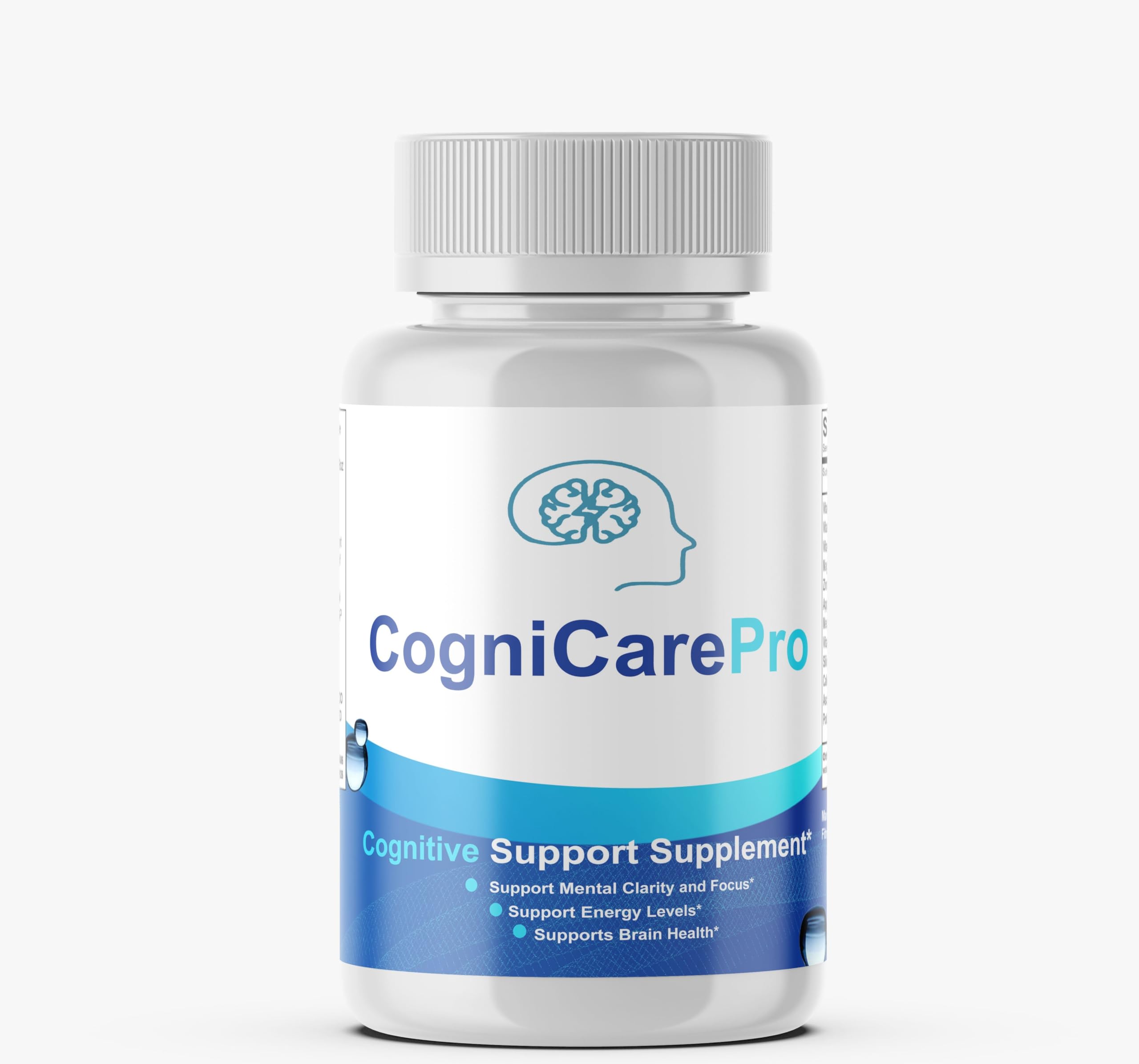
One product card is enough. If the article has explained the pattern well, the reader can decide from there without being pushed down the page by repeated calls to buy.
What is the simplest way to choose the best supplement for digital eye strain?
Choose the supplement that matches the real failure point in your day. If the issue is surface dryness, start with the dry-eye lane. If the issue is long-screen visual fatigue, start with lutein, zeaxanthin, and better screen habits. If the issue is that your eyes and your concentration both collapse together, a focus-support route makes more sense than another random eye-health promise.

The page is stronger when it tells that truth plainly. The best supplements for digital eye strain are not magic. They are support tools that work best when they are attached to a cleaner routine, realistic expectations, and an honest read of whether the issue is visual fatigue, cognitive fatigue, or both. That is a more useful answer for the reader, and a better long-term page for search.
That is also why the best result usually feels subtle first: less end-of-day friction, steadier reading, and a work rhythm that feels less punishing to repeat tomorrow.
Written by Elias Menden for readers who want screen-heavy work to feel clearer, calmer, and easier to recover from.