I was sitting in my car yesterday evening, squinting at the street signs that used to be perfectly clear from this distance. The golden hour light that once felt magical now seemed to create this soft haze around everything, making me lean forward and narrow my eyes just to read the restaurant name I was looking for.
It wasn’t dramatic. It wasn’t sudden. It was just this quiet realization that something had shifted, the way you notice your favorite sweater has slowly stretched out of shape after countless wears. My eyes were telling me something, and I’d been too busy to listen.
That moment sent me down a research path I hadn’t expected to take. What I discovered about eye aging — and more importantly, what we can do about it — changed how I think about taking care of myself as the years accumulate.
The Silent Speed of Cellular Aging in Our Eyes

Here’s what surprised me most: our eyes age faster than almost any other part of our body.
The delicate cells in our retinas, the ones responsible for capturing and processing light, are working overtime every single day. They’re metabolically active in ways that put tremendous stress on their cellular machinery. Think about it — from the moment we wake up, our eyes are constantly adjusting to different light levels, filtering information, and sending millions of signals to our brain. The photoreceptor cells in particular are like tiny power plants, generating enormous amounts of energy to keep up with this demand.
And just like any engine running at full capacity, they produce oxidative byproducts that can damage the very cells doing the work. The research shows that by our forties, many of us are already experiencing subtle changes in how our eyes function.
The proteins that keep our lenses clear start to clump together. The muscles that help us focus begin to lose their flexibility. The blood vessels that nourish our retinas become less efficient at delivering nutrients where they’re needed most.
Your sensory system deserves the comprehensive support it’s been quietly requesting.
Why Modern Life Accelerates Eye Aging

Our grandparents didn’t spend eight hours a day staring at screens. They didn’t navigate constant artificial lighting or deal with the particular kind of blue light that emanates from our devices. Their eyes had natural rhythms — sunrise, sunset, and long periods of looking at distant objects.
Now we live in a world of close-up focus and digital strain. We blink less when we’re concentrating on screens, which means our eyes don’t get the moisture and rest they need. We’re exposed to high-energy visible light for extended periods, which creates additional oxidative stress on those already hard-working retinal cells. Add to this the environmental factors — pollution, UV exposure, even the dry air from heating and cooling systems — and our eyes are facing challenges they simply weren’t designed to handle long-term.
It’s no wonder that age-related vision changes are happening earlier and more frequently than in previous generations.
Transform screen fatigue into comfortable clarity with targeted nutritional support.
The Nutritional Gap Most of Us Don’t Know We Have

When I started looking into nutritional support for eye health, I realized how little attention we pay to feeding our eyes the specific nutrients they need. We know about carrots and beta-carotene, sure. But the research reveals a much more complex picture of what our visual system actually requires to function optimally. The macula — that small area in the center of our retina responsible for sharp, detailed vision — has the highest concentration of certain protective compounds found anywhere in the human body.
These compounds act like internal sunglasses, filtering harmful light and neutralizing free radicals before they can damage delicate cellular structures.
But here’s the thing: our bodies can’t make these protective compounds on their own. We have to get them from food or supplements. And most of us, even those eating relatively healthy diets, aren’t getting nearly enough of the specific nutrients our eyes are quietly asking for every day.
Bridge the nutritional gap your eyes face every day in our modern world.
When I Realized My Brain and Eyes Were Connected

The deeper I dug into the research, the more I understood that eye health and brain health aren’t separate issues — they’re intimately connected. The optic nerve is essentially an extension of our brain tissue. The same inflammatory processes that can affect cognitive function also impact our vision. The same antioxidants that protect our brain cells also protect our retinal cells.
This was a revelation for me. I’d been thinking about my eyes as separate from the rest of my health, when in reality, they’re part of a integrated sensory system.
I started paying attention to how my vision felt at different times of day, how certain activities affected my eye comfort, and what kinds of support might help my entire sensory system function better. It became less about preventing a specific eye condition and more about nurturing the whole complex network of cells and connections that allow me to see and process the world around me.
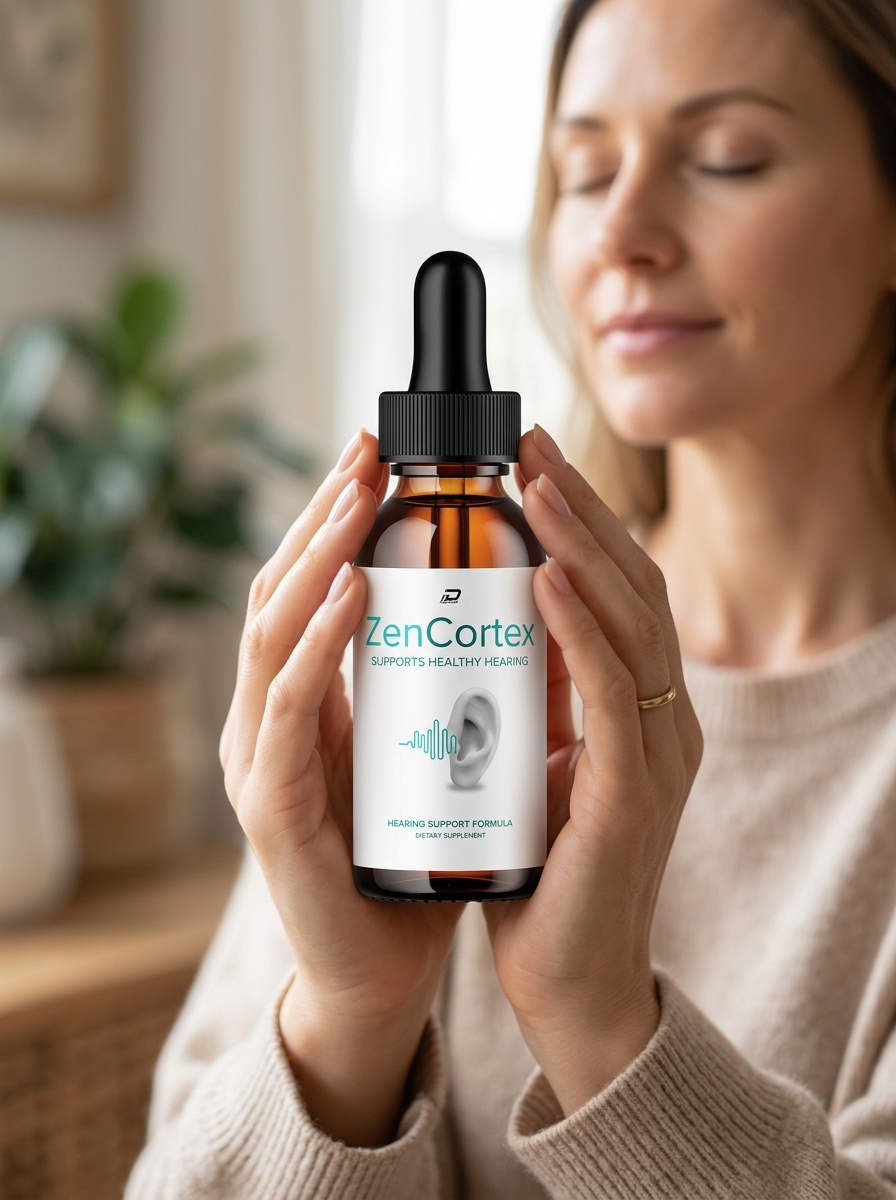
Support Your Sensory System
When your eyes and brain work together harmoniously, clarity feels effortless again.
ZenCortex provides comprehensive nutritional support for your interconnected sensory system. This carefully formulated blend supports healthy blood flow to sensory organs, delivers protective antioxidants, and includes nutrients specifically chosen for optimal brain processing of sensory information. Experience the difference when your entire sensory network gets what it needs.
- ✓ Less eye strain during screen time
- ✓ Improved mental clarity and focus
- ✓ Enhanced overall sensory comfort
The Morning My Perspective Shifted

Three months after I started taking a comprehensive approach to supporting my sensory health — including a formula specifically designed for hearing and brain health that also supported overall sensory wellness — I had one of those subtle but unmistakable moments of recognition. I was reading a menu at a restaurant without automatically reaching for my phone’s flashlight. The text that had been requiring that little bit of extra effort was clear again. The evening light that had become challenging felt softer, more manageable.
It wasn’t that I suddenly had the vision of a twenty-year-old, but the strain and fatigue I’d been accepting as normal had lifted.
ZenCortex had become part of my daily routine not because it promised miraculous results, but because it addressed the whole picture — the connection between auditory health, cognitive function, and overall sensory wellness. The formula included compounds that supported healthy blood flow to sensory organs, antioxidants that protected against cellular damage, and nutrients specifically chosen for their ability to support the brain’s processing of sensory information.
Support the intricate connection between your brain and sensory wellness.
Small Changes, Profound Differences

What I’ve learned is that supporting our eyes isn’t about waiting until there’s a problem to address. It’s about understanding that our sensory organs are part of a delicate, interconnected system that benefits from consistent, thoughtful care. I notice I’m less tired at the end of screen-heavy days. The mild headaches I’d attributed to stress have become rare. Colors seem a bit more vivid, contrasts a bit sharper.
These aren’t dramatic transformations — they’re the kind of subtle improvements that remind you how good normal can feel when you’ve been gradually adjusting to less than optimal.
The research I dove into taught me that our eyes are remarkably resilient, but they need the right nutritional support to maintain that resilience over time. Just like we wouldn’t expect our muscles to stay strong without proper nutrition and care, we can’t expect our complex visual system to function optimally without giving it what it needs.
Experience how small consistent changes can create profound visual comfort.
What Your Eyes Are Quietly Asking For

Now when I feel that first hint of eye strain, or notice I’m squinting more than usual, I don’t dismiss it as just getting older. I see it as my body’s gentle way of asking for attention. My eyes aren’t separate from the rest of my health — they’re an integral part of how I experience and navigate the world. Supporting them has become as natural as taking care of my skin or eating well for energy.
It’s part of honoring the body that carries me through each day, recognizing that small, consistent actions can make the difference between gradually declining function and maintaining the sensory richness that makes life vivid and clear.
The conversation between my eyes and me has changed. Instead of ignoring their whispers, I’m finally listening.
And what they’re telling me is that they’re grateful, ready to keep showing me the world in all its detail and beauty, as long as I keep giving them what they need to do their extraordinary work.
Written by Liora Menden — for those who seek clarity
Honor your body’s gentle requests for the care it needs to thrive.