The smoothie bowls were perfect. Rainbow vegetables filled my plate at every meal. My grocery cart looked like a health magazine cover story, and my friends started asking for nutrition advice. I was doing everything right according to every plant-based guide I’d studied. Yet by 2 PM each day, my body felt like it was running on fumes.
I blamed stress. I blamed sleep. I blamed my demanding schedule. What I didn’t realize was that while I was feeding my body beautifully on the surface, my cells were quietly struggling with something deeper — an energy production crisis that had nothing to do with calories or even nutrients, and everything to do with how efficiently my mitochondria could actually function.
The truth about plant-based nutrition isn’t that it’s incomplete. It’s that cellular energy requires a level of precision most of us never consider.
Your mitochondria — those tiny powerhouses in every cell — need specific support to convert what you eat into usable energy. When that support is missing, even the cleanest diet can leave you feeling depleted.
The Afternoon Wall Nobody Talks About

It started subtly. Around 1:30 PM, my focus would begin to drift. Not the normal post-lunch dip everyone experiences, but something heavier. My thoughts felt wrapped in cotton. Simple tasks required double the mental effort they had that morning. I’d reach for another cup of coffee, telling myself I just needed to push through.
The pattern became so predictable I could set my watch by it. Morning energy — sharp and clear. Afternoon energy — molasses thick. Evening energy — either completely crashed or artificially propped up by caffeine that would later steal my sleep. I was cycling between extremes, never finding the steady, sustained vitality I remembered having years before.
What frustrated me most was how healthy I looked from the outside. My skin was clear. My weight was stable. Blood tests came back normal. Yet I knew something fundamental wasn’t right. The energy I felt should match the care I was putting into my nutrition.
Ready to bridge the gap between perfect nutrition and cellular reality?
The Hidden Machinery of Cellular Power
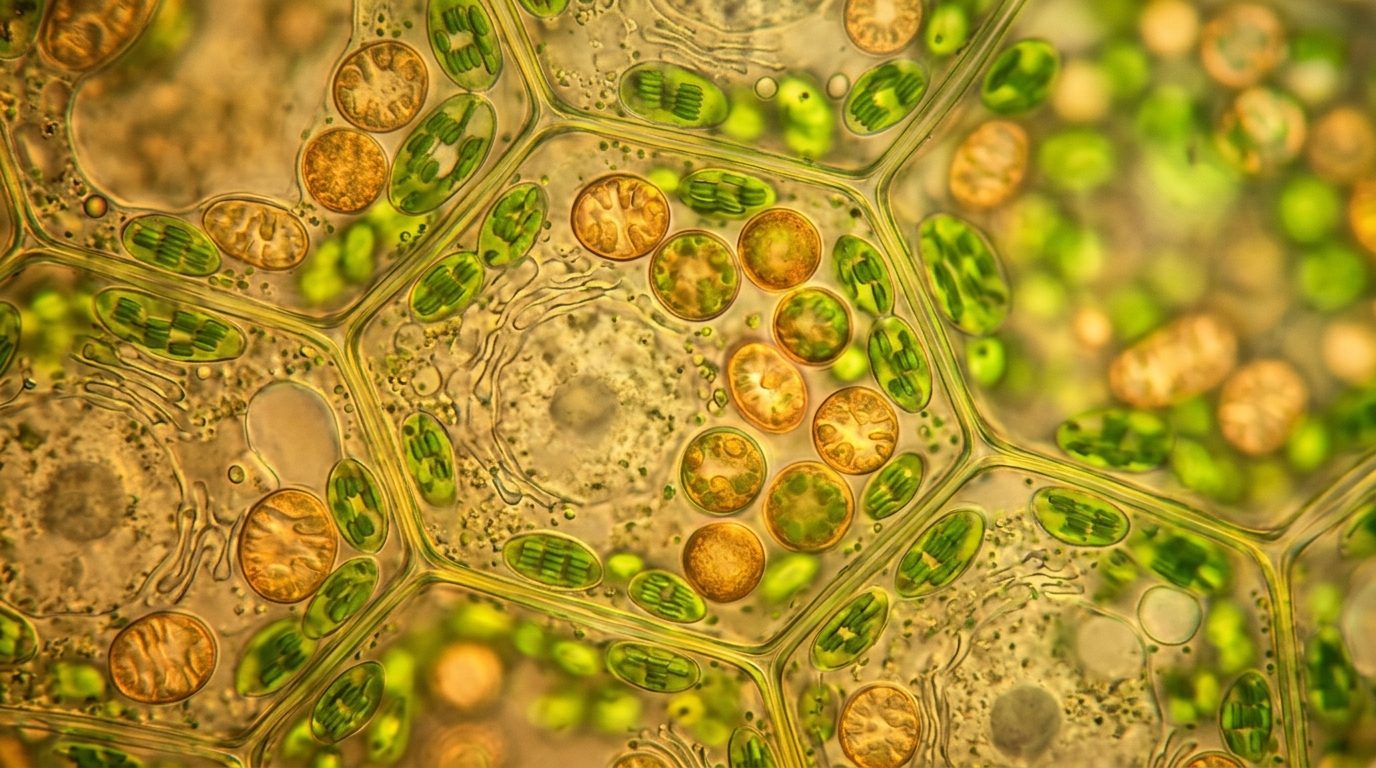
Your mitochondria don’t care about your macros. They don’t run reports on your vegetable servings or applaud your omega-3 awareness. They operate according to their own ancient biochemistry, converting nutrients into ATP — the actual currency of cellular energy. When this process runs smoothly, you feel it. When it doesn’t, everything else suffers.
Most plant-based eaters focus on getting enough protein, iron, and B12. These matter, absolutely. But mitochondrial function requires a different layer of support — compounds that optimize the energy production process itself.
Think of it like having a perfectly tuned engine versus one that runs but never quite reaches its potential. The irony is that plant foods are rich in many mitochondrial supporters — antioxidants, minerals, phytonutrients that protect cellular machinery. But optimization requires more than protection. It requires the right cofactors, the precise building blocks that allow energy production to operate at full capacity rather than just survival mode.
Experience what happens when your mitochondria finally get the support they need.
When Good Intentions Meet Biological Reality

I tracked everything. Chronometer became my daily companion, showing me exactly how my intake measured against recommended values. On paper, I was crushing it. Fiber through the roof. Antioxidants abundant. Micronutrient targets consistently met. Yet the afternoon crashes continued, and my morning energy felt increasingly fragile.
The disconnect was maddening. I’d spend Sunday afternoons meal-prepping with the precision of a laboratory technician, crafting combinations I knew would deliver balanced nutrition. Monday morning would start strong — clear head, steady focus, optimism about the week ahead. By Tuesday afternoon, that clarity would begin to fade.
By Thursday, I was white-knuckling my way through basic tasks.
Sleep became my obsession. Eight hours minimum, room temperature carefully controlled, screens off an hour before bed. When that didn’t solve the energy puzzle, I dove into stress management. Meditation apps, breathing exercises, yoga classes that left me more relaxed but not more energized. Each intervention helped in its own way, but none addressed the core issue I was beginning to suspect lay deeper than lifestyle factors.
Break free from the afternoon wall that’s been holding you back.
The Mitochondrial Support Revolution

The breakthrough came through research, not luck. I started reading about mitochondrial function with the intensity I’d once reserved for perfecting my smoothie ratios. What I discovered changed everything: optimal energy production requires specific cellular support that goes beyond basic nutrition. Even the most thoughtful plant-based diet can leave mitochondria functioning below their potential without targeted optimization.
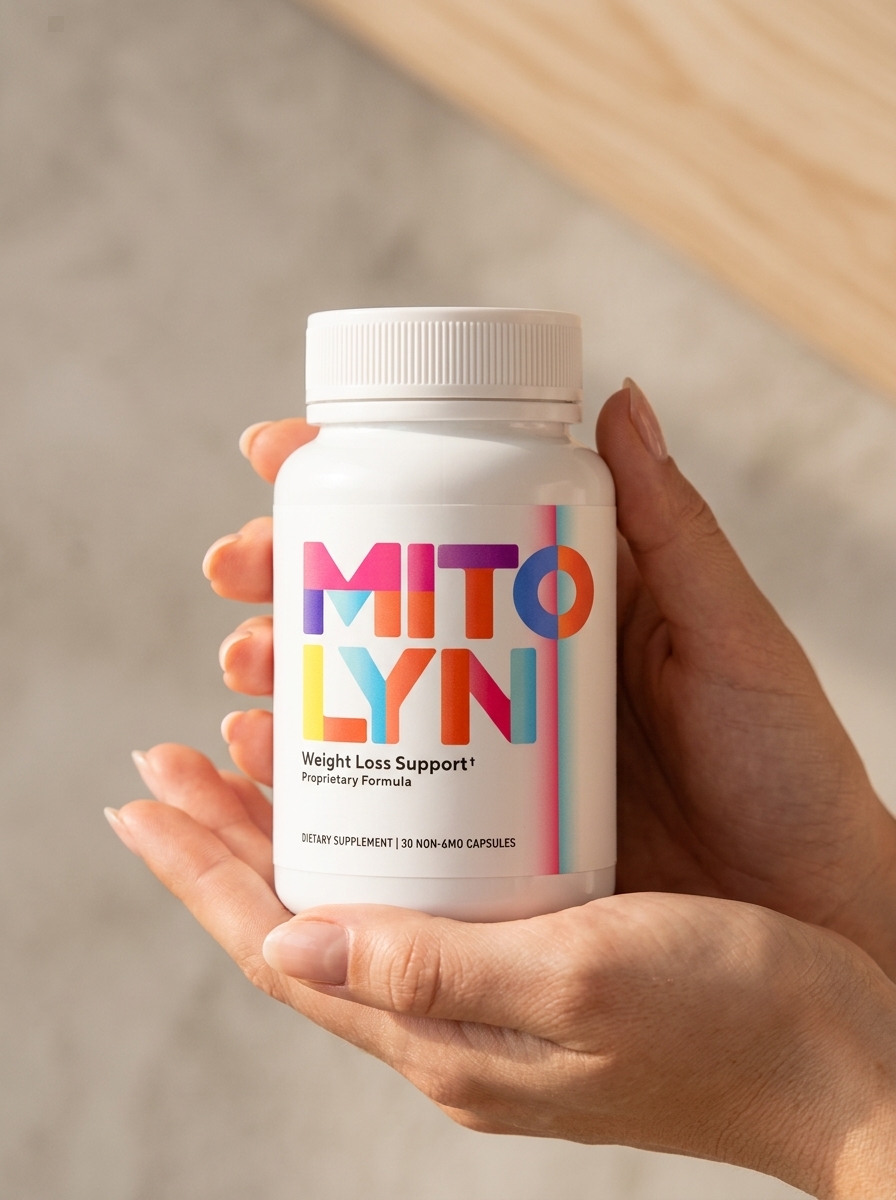
This is where Mitolyn entered my daily routine. Unlike the scattered approach I’d been taking — a supplement here, a superfood there — this was designed specifically for mitochondrial support. The formula targets energy production at the cellular level, providing the cofactors and compounds that help mitochondria convert nutrients into usable ATP more efficiently.
Within two weeks of consistent use, the afternoon wall became permeable.
Not gone entirely — I’m still human, still subject to natural energy rhythms — but no longer an immovable barrier that divided my day into “functional” and “struggling” halves. My energy felt more distributed, less dependent on caffeine timing and willpower.
Cellular Energy Breakthrough
When perfect nutrition meets mitochondrial precision, sustainable vitality finally clicks.
Mitolyn targets energy production where it actually happens — inside your mitochondria. This advanced formula provides the specific cofactors your cells need to convert nutrients into reliable, steady energy. No more afternoon crashes. No more borrowed vitality. Just consistent cellular optimization that amplifies everything you’re already doing right.
- ✓ Sustained focus without caffeine dependence
- ✓ Natural energy rhythms instead of crashes
- ✓ Enhanced nutrient utilization efficiency
The Morning That Changed Everything

Week three brought the kind of morning I’d forgotten was possible. I woke before my alarm, genuinely alert rather than grudgingly conscious. My first thoughts were clear, not clouded by the fog that had become my normal. I moved through my routine with an ease that felt both foreign and completely natural — like reconnecting with a version of myself I’d lost track of.
The difference wasn’t dramatic enough to be startling. Energy optimization isn’t about sudden bursts or artificial highs. It’s about consistent, reliable function. The kind of steady vitality that lets you engage fully with your day rather than constantly managing your reserves.
What surprised me most was how this affected my relationship with food. When your cells are efficiently converting nutrients into energy, eating feels like genuine nourishment rather than fuel maintenance. My plant-based meals started feeling satisfying in a way they hadn’t before — not because I’d changed what I was eating, but because my body was finally able to fully utilize what I’d been providing.
Your plant-based foundation deserves cellular-level optimization to match.
Beyond the Individual Cell

Mitochondrial optimization ripples outward in ways you don’t expect. Mental clarity improves because your brain cells are running more efficiently. Physical endurance increases because muscle cells can sustain effort longer. Even emotional resilience gets stronger when your nervous system isn’t constantly operating in energy conservation mode.
My afternoon meditation sessions shifted from being necessary recovery time to genuine practice. Instead of using those twenty minutes to resurrect my depleted attention, I could actually explore deeper states of focus. Exercise became energizing rather than depleting. Social plans stopped feeling like energy debts I’d have to pay later.
The compound effect was remarkable. Better energy led to better sleep quality, which supported better recovery, which enhanced next-day performance. Instead of the exhausting cycle I’d been trapped in — caffeine to function, then struggle to wind down — my energy patterns began to align with natural rhythms rather than fight against them.
Stop managing energy reserves and start generating sustainable cellular power.
The Integration That Actually Works

Six months later, my approach to plant-based nutrition looks fundamentally different. I still prioritize whole foods, still track key nutrients, still believe deeply in the power of plants to nourish and heal. But I now understand that optimal health requires supporting cellular function at the mitochondrial level — not just loading up on surface-level nutrition.
Mitolyn became the bridge between my nutritional intentions and my cellular reality. It doesn’t replace thoughtful eating; it amplifies it. Every nutrient I consume gets utilized more effectively when my mitochondria are functioning at their best. It’s like upgrading your body’s energy conversion system so that everything you’re already doing works better.
The morning crashes are gone. The afternoon walls have dissolved into gentle slopes. My energy feels earned rather than borrowed, sustainable rather than fragile. This isn’t about perfection — some days are still harder than others. But the baseline has shifted permanently. I wake up trusting that my body will have what it needs to meet the day, and that trust has been consistently rewarded.
Plant-based eating gave me the foundation. Mitochondrial support gave me the optimization. Together, they’ve delivered the vitality I was searching for all along — not through complicated protocols or extreme measures, but through understanding what cellular energy actually requires and providing it consistently. Sometimes the missing piece isn’t what you’re eating. Sometimes it’s how efficiently your cells can use what you’re giving them.
Written by Elias Menden — for those who seek cellular optimization
Join those who’ve found the missing piece in their wellness journey.