The phrase cellular detox attracts a lot of bad internet behavior because it sounds scientific enough to market and vague enough to overpromise. Most readers do not need another fantasy about “flushing toxins” overnight. They need a page that explains what the body already does, where supplements may help support that work, and how to choose a product without turning the whole routine into a cleanse obsession.
The body already has systems for handling waste, oxidative stress, and inflammatory load. A supplement belongs in that conversation only if it supports the bigger pattern rather than pretending to replace it.
It also helps to say this clearly: if someone is dealing with jaundice, dark urine, severe abdominal pain, vomiting, or other red-flag symptoms, this is not a supplement-content problem. That is a medical evaluation problem.
Short answer: the best supplements for cellular detox should support the body’s existing cleanup systems without pretending they replace the liver, kidneys, sleep, or digestion.
| What the reader usually means | Best first lane | Better next step |
|---|---|---|
| Puffy, overburdened weeks | Hydration, digestion, and one believable liver-support option | Lower daily friction before chasing a dramatic reset. |
| Inflammatory drag and poor recovery | Sleep, meals, and anti-inflammatory support | Cellular stress usually improves when the whole day gets calmer. |
| Dark urine, jaundice, or severe abdominal symptoms | Medical evaluation | Those are not supplement-funnel symptoms. |
If the bigger theme is overnight recovery, best supplements for cellular repair and anti-aging is the stronger next read. If the problem feels more like a drained system that never catches up, the biohacking energy guide gives readers a clearer bridge than another cleanse promise.
What does “cellular detox” actually mean in plain English?
In plain English, cellular detox is the body’s ongoing cleanup and processing work. Cells make energy, use fuel, generate byproducts, and rely on larger systems like the liver, kidneys, digestive tract, lungs, and skin to handle transport and removal. When people say they feel “toxic,” they often mean they feel swollen, overfed, under-recovered, constipated, sleep deprived, inflamed, or all of those at once.
The National Institute of Diabetes and Digestive and Kidney Diseases explains that the kidneys filter waste and extra fluid from the blood, while the liver helps process nutrients, medications, and metabolic byproducts. See NIDDK on how the kidneys work.

The body does not need a dramatic purge. It needs enough sleep, hydration, micronutrient support, digestive regularity, and inflammatory control to keep its own cleanup systems moving well.
Why do people search for the best supplements for cellular detox?
Usually because their day feels noisy. Their digestion is slower. Their face looks puffy. Their recovery feels sticky. Their meals are heavier than they want them to be, and their attention keeps drifting toward words like “reset” or “cleanse” because those words feel emotionally neat. Search behavior here is often about wanting relief from accumulated friction more than wanting a biochemical miracle.
There is useful overlap with our inflammation and cellular detox guide, especially for readers who notice that “detox” symptoms usually feel worse when inflammation, poor sleep, and stress all rise together.
Which supplement categories make the most sense here?
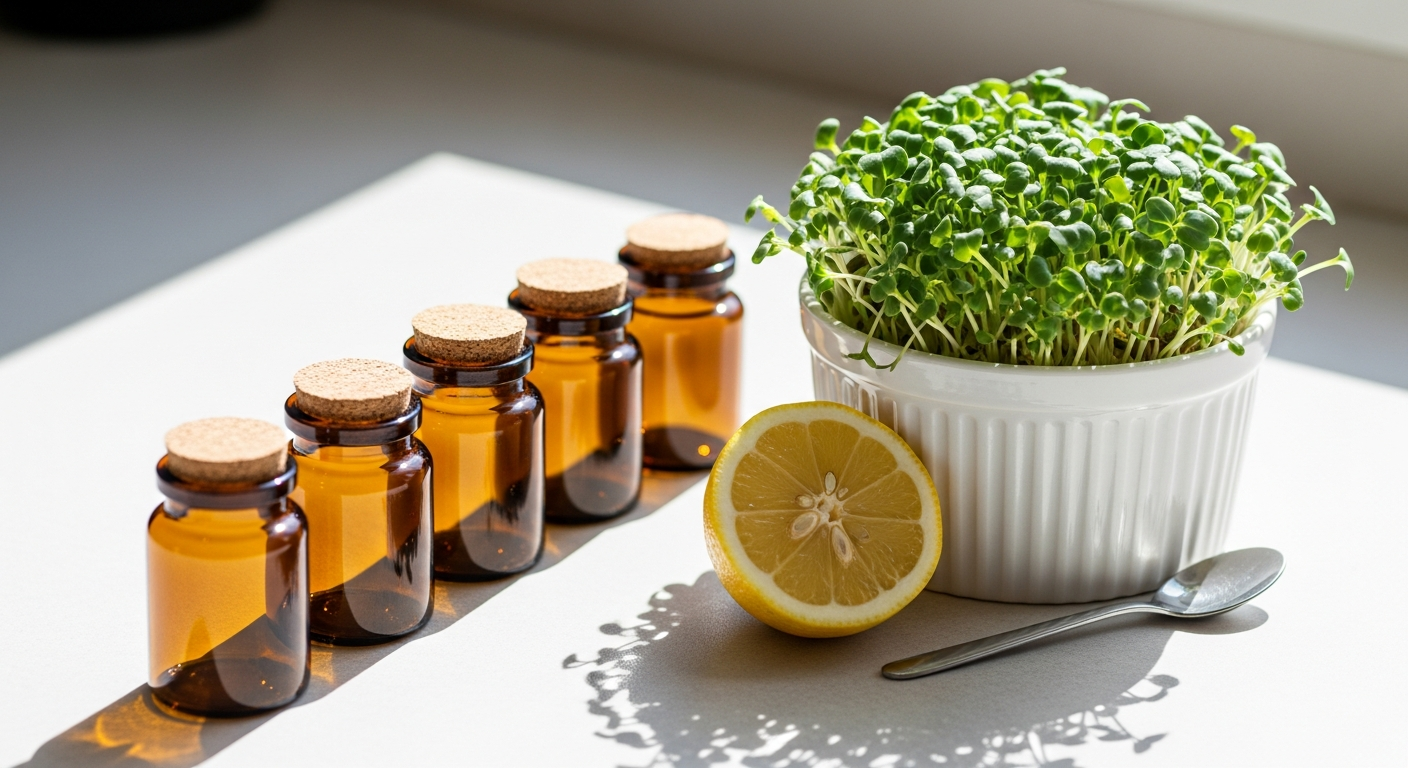
Supportive categories tend to fall into a few lanes. Some readers benefit most from digestive support and regularity. Others are more concerned with oxidative stress and antioxidant support. Others need to stop treating every rough week like a sign they need a full cleanse.
- Antioxidant support: useful when the reader wants to support normal cellular defense and recovery.
- Liver-support formulas: useful when the routine needs one simple anchor instead of a large stack.
- Inflammation-support routines: useful when poor recovery and swelling are driving the “detox” search.
- Digestive regularity support: useful when the real issue is sluggishness, not “toxins.”
The scientific reason this matters is that cellular stress is usually about cumulative load, not one villain. A peer-reviewed review of glutathione biology describes glutathione as a central part of antioxidant defense and cellular detoxification, which is helpful context for readers trying to understand why recovery, liver health, and oxidative stress often get mentioned together. See this PubMed review on glutathione and detoxification.
What the evidence actually supports — and what it doesn’t
The liver and kidneys genuinely do the cleanup work described above — the NIDDK pages cited here explain that plainly — and that is the first thing to get right: no supplement replaces those systems, and no capsule has been shown to “flush” the body in the way cleanse marketing suggests. The glutathione review cited above is useful biology context, not proof that a glutathione or liver-support capsule changes a meaningful outcome in a healthy person, and no published clinical trial of the HepatoBurn formula as a whole could be pointed to here — research on individual ingredients does not prove a blend. If energy is the other half of the complaint, our guide to best mitochondrial health supplements applies this same evidence check to the cellular-energy side of the story.
Two guardrails from the authorities are worth keeping. The NCCIH’s guide to using dietary supplements wisely recommends discussing supplements with health professionals and remembering that “natural” does not automatically mean safe. The FDA’s dietary supplement guidance explains that supplements are regulated differently from drugs and are not approved for effectiveness before sale. Judge every claim in this article — including ours — against that standard.
Where does HepatoBurn fit best?
HepatoBurn fits the reader who wants one clean, sustainable support option instead of a more theatrical cleanse protocol.
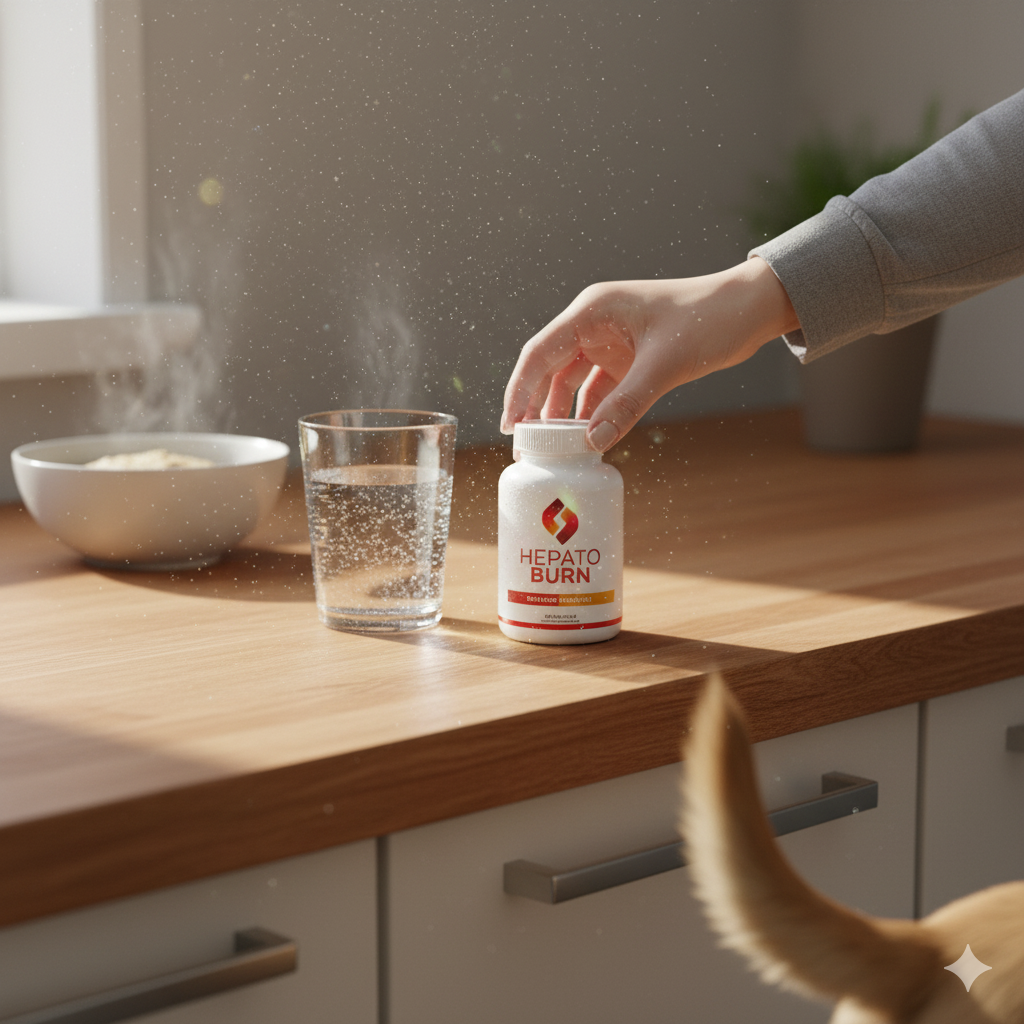
One bottle, one lane, one supportive role in a larger routine. It also gives the reader room to keep focusing on the bigger levers: meals that digest well, enough water, better sleep timing, and a day that does not keep ending in overcorrection.
What HepatoBurn did for one person’s routine is a story, not a promise — the sections below say plainly what the evidence does and doesn’t support, and your own trial notes matter more than my paragraph.
What habits make a cellular detox routine more believable?
Hydration helps. Regular bowel movements help. Sleep helps. A realistic food pattern helps more than any weekend cleanse. The body’s cleanup systems work better when daily friction is lower, and that is why I usually connect this page with our cellular health guide and our stress-inflammation support article. Many readers are not actually dealing with a detox problem in isolation. They are dealing with stacked inputs that keep the body from catching up.
The image I want the reader to keep is not “purge.” It is flow: food moving well, sleep getting deeper, swelling dropping, and the body feeling less backed up by the week.

What does a low-drama cellular detox day look like?
It looks smaller than the internet wants it to look. You wake up and hydrate. Breakfast has actual substance instead of a stimulant-only start. Lunch is not skipped and then repaid with a late-afternoon raid on sugar. You move enough to feel circulation pick back up. You stop eating early enough that sleep has a chance to settle the system instead of competing with a heavy digestion load.
That kind of day is less marketable than a “reset challenge,” but it is far more compatible with human biology. A supplement can support that day. It cannot replace it.
Some readers who arrive here wanting “detox” education really need permission to stop doing too much.
How should someone compare options without falling for gimmicks?
I compare them by asking four questions. Does the product support the pattern the reader is actually describing? Does it fit a routine the reader can repeat? Does the page explain normal physiology instead of pretending the body has no detox systems until a supplement shows up? And is there one clean next step rather than a dozen mixed signals?
- Too much hype: promises to “flush toxins” fast or cure vague symptoms.
- Better framing: supports recovery, processing, and steadier routines.
When should a reader stop self-experimenting and talk to a clinician?
If “detox” symptoms are really persistent fatigue, significant abdominal pain, jaundice, dark urine, swelling, or digestive change that is worsening instead of easing, the next step should be medical evaluation. The NIDDK liver information center is useful because it reinforces that the liver is already doing complex work and that symptoms of liver disease are not something to brush off with a cleanse mentality. See NIDDK liver disease overview.
Who should be cautious — and when to get checked instead
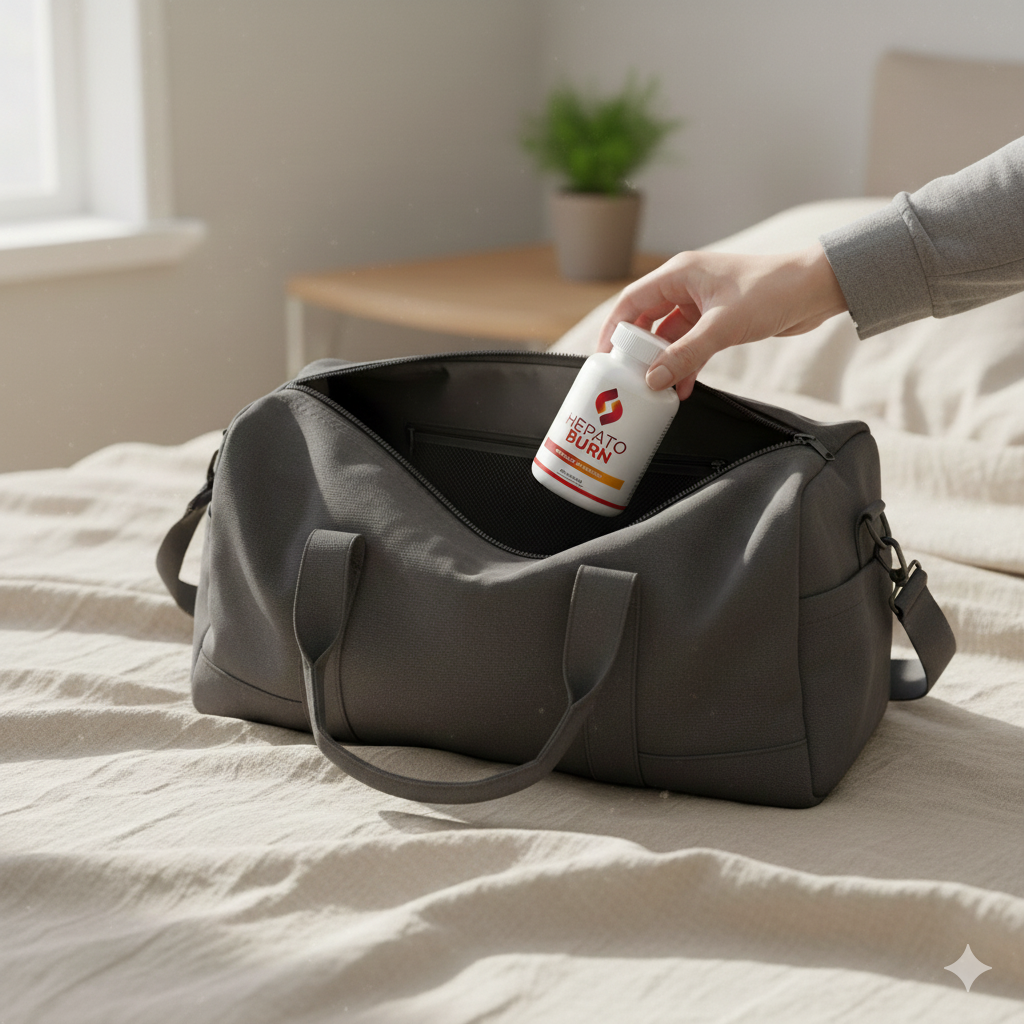
If “detox” symptoms are really persistent fatigue, significant abdominal pain, jaundice, dark urine, swelling, or digestive change that is worsening instead of easing, the next step is medical evaluation, not a supplement — the NIDDK liver information cited above says the same. Liver-support herbs and formulas can interact with prescription medicines, including blood thinners and diabetes medicines, so ask a pharmacist or clinician first if you take anything regularly. If you are pregnant, breastfeeding, or living with a diagnosed liver or kidney condition, get a professional view before starting anything new. And check the full label and the return terms before you buy — a trial you can return is a trial you can afford to judge honestly.
How to run a fair trial
If you try it, give it a fair test: change one thing at a time, pick one outcome you can actually measure — morning puffiness on a 1–10 scale, digestion regularity, or how rested you feel on waking — run it for three to four weeks, and write the numbers down. What I describe above is what I noticed over time, not a study result; your trial should be judged on your own notes, not on my story.
What is the best next step if the goal is a calmer reset?
Keep the goal modest and repeatable. Support digestion. Lower inflammatory drag. Sleep more deeply. Use one supplement that fits the pattern instead of buying a stack that makes the whole topic noisier. For this page, that means HepatoBurn is the clearest fit because it supports the article’s actual promise: sustainable cellular detox support without the cleanse theater.
Written by Elias Menden for readers who want a calmer reset, not a louder cleanse.