There’s a particular exhaustion that eight hours in bed cannot touch. You know the one — where you’ve done everything right, followed all the sleep hygiene rules, and still wake up feeling like you’ve been wrestling with shadows all night. Your body went through the motions of rest, but something essential never happened.
I lived in that space for months. Religiously in bed by ten, phone in airplane mode, blackout curtains drawn. Yet every morning arrived with the same hollow fatigue, like I’d been busy all night in ways I couldn’t remember. My energy felt borrowed rather than renewed. My skin looked tired even when my mind felt alert. Something was missing from the equation, but I couldn’t name what.
It wasn’t until I started paying attention to the quality of my sleep — not just the hours — that everything shifted.
Real restoration, I learned, happens in layers beneath consciousness, in the deep slow-wave stages where cellular repair unfolds and growth hormone does its quiet work. The changes I made weren’t dramatic. They were tiny recalibrations that honored what sleep actually needed to do its job.
When I Stopped Fighting My Natural Rhythm

The first shift happened when I realized I was forcing sleep instead of inviting it. I’d been treating bedtime like a deadline — aggressive, non-negotiable, slightly punitive. But sleep isn’t something you can strongarm into compliance. It’s something you create conditions for.
I started paying attention to my body’s actual signals around nine PM. The subtle shift in energy. The way my thoughts became less sharp, more drifting. Instead of pushing through that transition to squeeze in more productivity, I began following it. Dimming lights earlier. Letting conversations wind down naturally. Moving slower.
This wasn’t about going to bed earlier — it was about honoring the gradual descent that real sleep requires. Within a week, I noticed I was falling asleep more easily, but more importantly, I was staying asleep more deeply. My dreams became more vivid, which told me I was actually reaching the REM stages I’d been missing.
Ready to experience sleep that actually restores instead of just pauses?
The Temperature Discovery That Changed Everything

The second change was almost embarrassingly simple: I got cold. Not uncomfortable cold — just cooler than I thought I wanted to be. I’d always preferred a warm, cozy bedroom, but I learned that deep sleep requires a core body temperature drop of about two degrees.
I started setting the thermostat to 67 degrees instead of 72. I switched to lighter sleepwear — cotton instead of flannel. I even put my feet outside the covers for the first few minutes. It felt strange at first, almost unwelcoming, but within nights I was sinking into sleep stages I hadn’t experienced in years.
The cold wasn’t just helping me fall asleep faster. It was helping me stay in the deeper phases longer. I started waking up with clearer skin, more stable energy, and that rare feeling of having been genuinely restored rather than just rested.
Discover what happens when your body gets the deep restoration it’s been requesting.
What Happens When You Feed Sleep Itself

The third shift was the most profound: I started supporting my body’s sleep architecture from the inside. All the environmental changes were helpful, but something was still missing. My system needed deeper assistance to move through the restorative cycles that matter most.
That’s when I discovered Resurge. It wasn’t just another sleep aid — it was designed specifically for the hormonal environment that deep, restorative sleep requires. The formula targets growth hormone release, supports the natural temperature regulation that quality sleep demands, and helps maintain the slow-wave stages where cellular repair actually happens.
Within the first week of taking Resurge, I noticed something I hadn’t experienced in years: I was waking up refreshed before my alarm.
Not groggy-but-functional refreshed — actually restored. My energy felt clean and sustained rather than borrowed. Even my afternoon slumps disappeared because my body had gotten what it needed during the night.
Support your sleep architecture from within for energy that feels clean and sustainable.
The Ritual That Signals Safety

The fourth change was creating what I now think of as a safety sequence. Sleep is fundamentally about trust — your nervous system has to believe it’s safe enough to go unconscious. I realized my bedtime routine was focused on efficiency rather than reassurance.
I started doing the same three things every night, in the same order, with the same gentle attention. A warm shower to signal the temperature transition. Five minutes of writing down anything my mind was trying to remember or solve. Three slow breaths while I appreciated something from the day.
It sounds almost childish, but the consistency became a signal to my nervous system: the day is complete, the space is secure, rest can safely happen. My body started relaxing into sleep instead of just falling into exhaustion. The difference was remarkable — like the contrast between collapsing and settling.
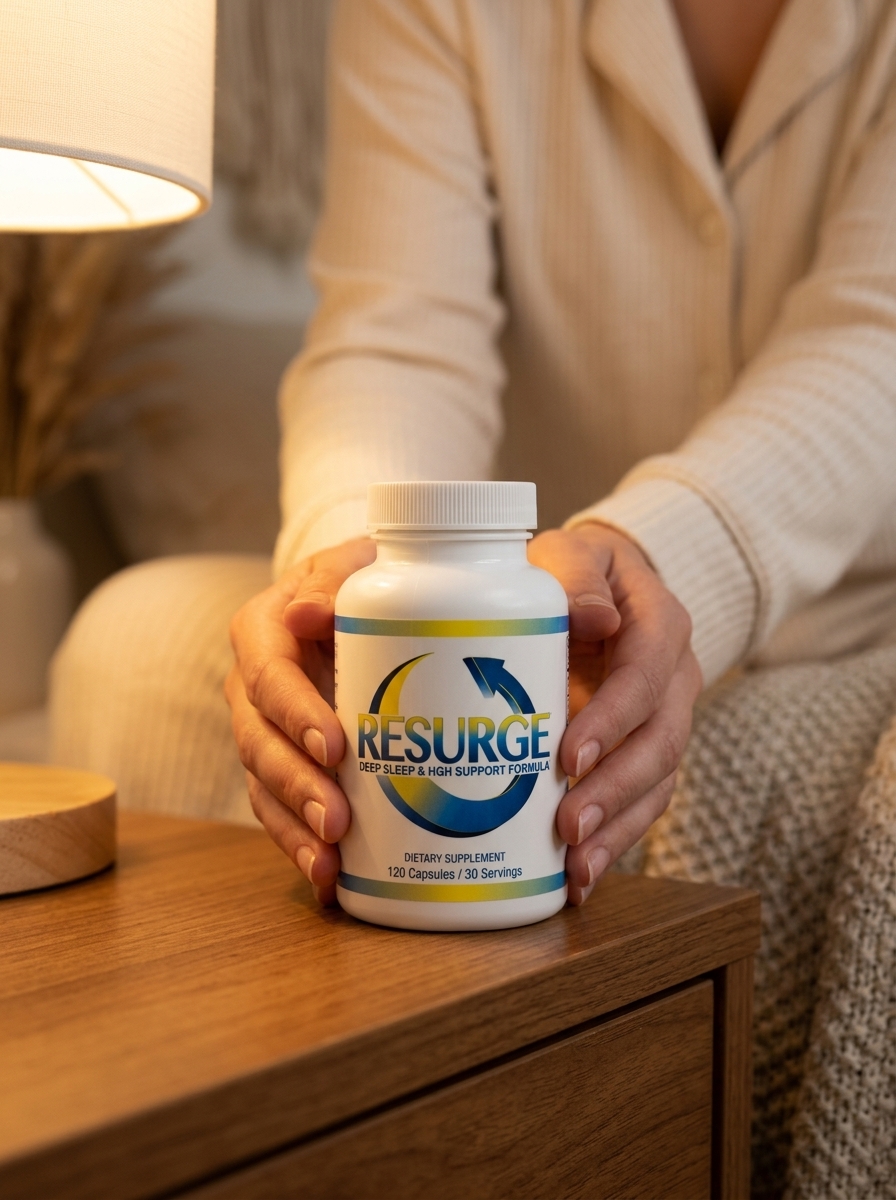
Feed Your Sleep Architecture
When environmental changes aren’t enough, support restoration from within.
Resurge targets the deep mechanisms your body needs for genuine restoration. This isn’t just another sleep aid — it’s designed for the hormonal environment that quality sleep requires. Support growth hormone release, natural temperature regulation, and the slow-wave stages where cellular repair actually happens. Wake up with energy that feels clean and sustained.
- ✓ Deep, uninterrupted sleep cycles
- ✓ Morning energy that lasts all day
- ✓ Cellular repair during rest phases
Morning Light as Sleep Medicine

The fifth change happened in the morning, not at bedtime. I learned that quality sleep begins the moment you wake up. Natural light within the first hour sets your circadian rhythm for the entire day, and more importantly, for that night’s sleep.
I started stepping outside for just five minutes every morning, even when it was cloudy. Sometimes it was just sitting on my front steps with coffee. Sometimes it was walking to the mailbox. The key was getting natural photons on my retinas before artificial light confused the signal.
This simple practice strengthened my body’s natural sleep-wake cycle in ways I hadn’t expected. I became naturally tired at appropriate times. My energy felt more predictable throughout the day. But most importantly, my sleep became deeper and more efficient because my circadian rhythms were finally synchronized.
Transform how your body moves through every day with genuine restoration.
The Compound Effect of Small Shifts

None of these changes were dramatic on their own. But together, they created something I hadn’t experienced since childhood: sleep that actually worked. Not just time unconscious, but genuine restoration. The kind of sleep that repairs and renews rather than just providing a temporary pause from wakefulness.
With Resurge supporting the deeper mechanisms and these environmental shifts creating the right conditions, my sleep became productive in ways that transformed my days. My skin cleared. My mood stabilized. My mental clarity sharpened. I stopped needing afternoon caffeine because my energy felt sustainable rather than borrowed.
People started commenting that I looked more rested, more vibrant. But it wasn’t just appearance — I felt fundamentally different. Like my body was finally getting the deep restoration it had been requesting for years through that persistent, inexplicable fatigue.
Wake up refreshed before your alarm with sleep that works as medicine.
When Sleep Becomes Medicine

The most unexpected outcome was realizing that quality sleep isn’t just rest — it’s medicine. The growth hormone release that happens during deep stages. The cellular repair that unfolds during slow-wave phases. The memory consolidation and emotional processing that REM provides. All of this was finally happening efficiently.
I stopped thinking of sleep as downtime and started treating it as the foundation for everything else. My workouts became more effective because my muscles were actually recovering. My stress resilience improved because my nervous system was getting genuine restoration. Even my relationships felt easier because I wasn’t running on fumes.
These tiny shifts didn’t just improve my sleep. They transformed how my body moves through every day, with energy that feels clean and sustainable rather than caffeinated and borrowed.
Written by Liora Menden — for those who seek deep restoration
Give your nervous system the deep repair cycles it needs to thrive.