I caught myself grunting when I stood up from the couch. Not a dramatic groan — just this small, involuntary sound pushed out of my chest like my body was filing a complaint. I froze halfway up. My wife didn’t notice. The dog didn’t flinch. But I stood there in the living room with one hand still on the armrest, thinking: When did that start?

That’s the thing about aging. It doesn’t announce itself. It just shows up in your reflexes, your sounds, the half-second delay between deciding to move and your body actually doing it. I was forty-one. I exercised five days a week. I hadn’t had fast food in longer than I could remember. And yet somewhere between last year and this one, my body had started adding a tax to every movement — small, but impossible to ignore once I’d heard it.
That sound — that grunt — is what sent me looking. Not for another workout plan or supplement stack. For an actual answer. Something biological. Something that explained why a body getting all the right inputs was still quietly falling behind.
What I found changed the way I think about every year ahead of me.
⸻
The Invisible Shift Happening Inside You

Here’s what I didn’t understand for a long time: aging doesn’t start in your face or your joints. It starts in structures so small you’d need a microscope to see them.
Every cell in your body contains tiny engines called mitochondria. Their job is simple — turn food into energy. When you’re young, they do this effortlessly. You bounce back from late nights, recover from workouts in a day, and your skin has this fullness that comes from cells doing their work without complaint. But over time, those engines wear down. They produce less energy. They leak more waste — molecules called free radicals that damage DNA, proteins, and the membranes holding your cells together. It’s like running a car on a dirty filter for decades. The engine still turns over, but it’s working harder for less.
This is not a vanity issue. This is the root of the fatigue that no amount of coffee can fix, the inflammation that creeps into places it didn’t used to, and that strange feeling of heaviness that settles over your body even when nothing is technically wrong.
Why Doing Everything Right Still Isn’t Enough

I used to think if I just stacked enough good habits — sleep, vegetables, movement, hydration — I could outrun the clock. And for a while, it felt like I could.
But here’s the thing about cellular decline: it doesn’t care about your routine. Your telomeres — the protective caps on the ends of your chromosomes — shorten every time a cell divides. It’s not a malfunction. It’s built into the design. Each division trims them a little further until the cell either stops working or stops dividing altogether.
Those retired cells don’t just disappear. They sit there, leaking inflammatory signals into the surrounding tissue like a slow drip you can’t shut off. Scientists call this senescence, but what it feels like is age arriving not all at once, but in whispers. A little more stiffness. A little less spring. Recovery that takes two days instead of one.
And oxidative stress — the accumulation of free radical damage — doesn’t take weekends off. Even clean eating and daily movement produce metabolic byproducts that chip away at your cells. The body has defenses, of course. Antioxidants, repair enzymes, cleanup crews. But as the years pile on, those systems fall behind.
I remember the run that made it click. Same thirty-minute route I’d done for years. Same pace, same distance. But when I sat down afterward, I didn’t feel energized. I felt emptied.
Like my body had spent everything it had just to keep up with something that used to be easy. Not because I was unfit. Because the machinery underneath was losing ground.
⸻
What Actually Moves the Needle
Once I stopped blaming my habits and started looking at my biology, things shifted. The research on mitochondrial health is clear: when you support these tiny engines, the ripple effects touch everything — energy, recovery, mood, the resilience of your skin and joints, even how your brain handles a long afternoon. It’s not about adding more habits to the list. It’s about making the effort you already put in actually count.
I started paying attention to what specifically nourishes cells at this level. Not surface nutrients — not another multivitamin or protein powder — but the compounds that actually reach the mitochondria and help them function.
Energy That Starts Inside
When your cells get the support they’ve been missing, the difference isn’t dramatic — it’s steady
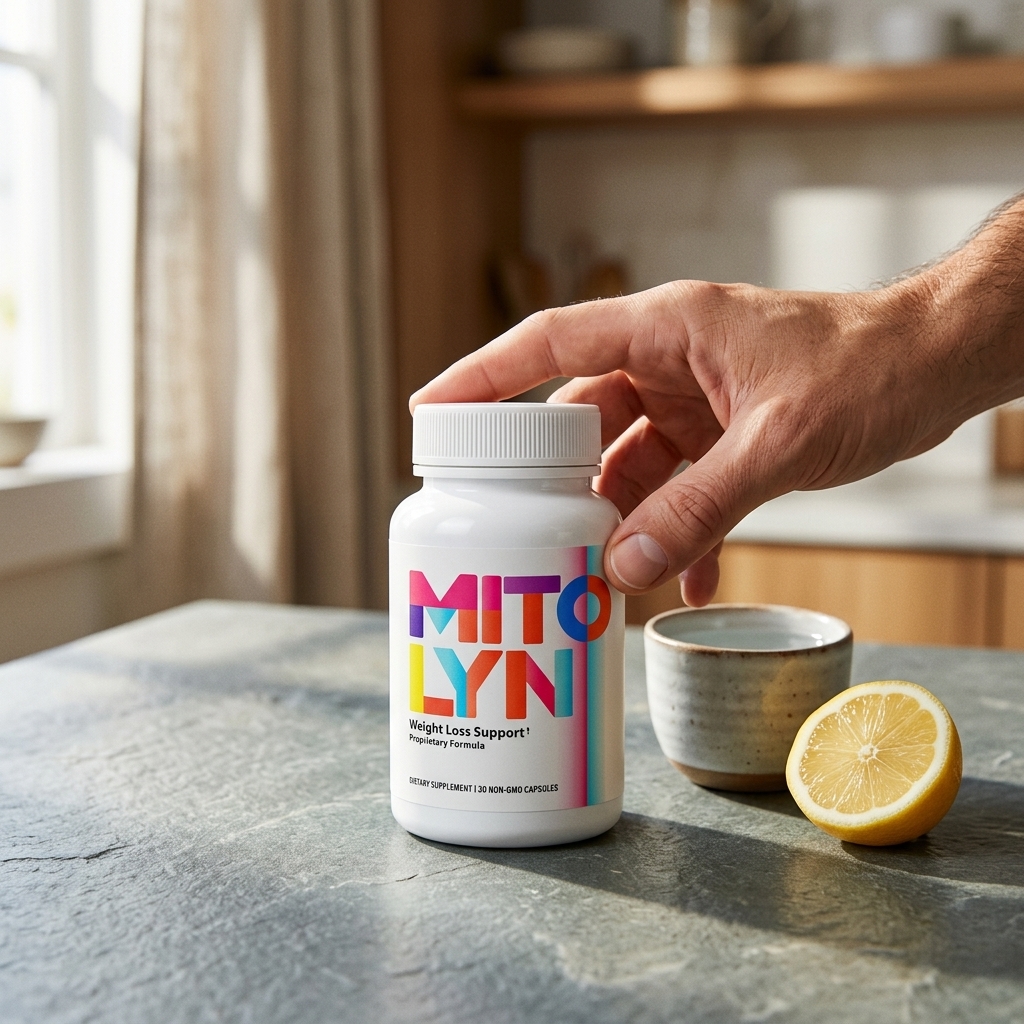
Mitolyn delivers six plant-based compounds directly to your mitochondria — the engines behind every movement, every recovery, every clear-headed afternoon. No stimulants. No crash. Just the kind of support that makes your good habits finally land the way they should.
-
Wake up without the stiffness negotiation
-
Feel your effort actually convert to energy again
-
Support your cells where it matters — from the inside
- Adaptogens like rhodiola, which helps the body process stress at a cellular level instead of just masking it.
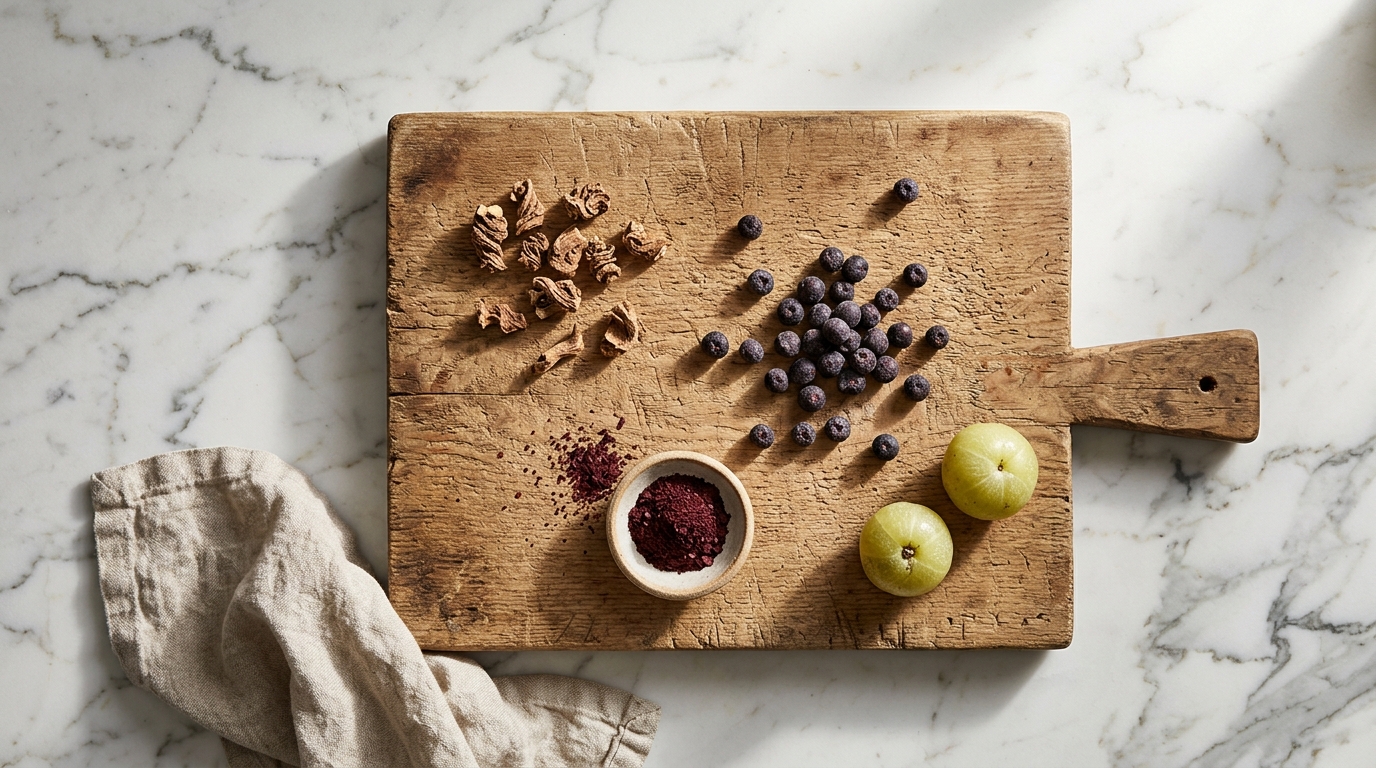
- Astaxanthin, one of the most potent natural antioxidants on the planet, pulled from freshwater algae and known for protecting cell membranes from the inside.
- Maqui berry, a deep-purple fruit dense with anthocyanins that scavenge the exact free radicals that accelerate aging.
- And amla — Indian gooseberry — used for centuries and now studied for its effects on cellular repair and immune function.
I learned that it’s not about any single ingredient. It’s about giving your cells a wider spectrum of support so they can recover, produce energy, and protect themselves the way they were designed to.
The Week I Felt the Difference

I’d been taking Mitolyn for about three weeks when I noticed it. Not a lightning bolt — more like a tide coming in. I woke up one morning and swung my legs off the bed without the usual stiffness negotiation. My head wasn’t fogged over. My body just… moved.
It was subtle enough that I almost dismissed it. But then it happened the next morning, and the one after that.
The way I’d describe it is this: my body started keeping up with my life again. I wasn’t adding anything new — same walks, same meals, same bedtime. But the return on all of it felt different. Like my cells had been running on half power and something had quietly turned the dial back up.
Mitolyn is a plant-based capsule built around six ingredients that target mitochondrial function directly. I liked that it wasn’t stimulant-based — no caffeine crash, no jittery afternoons. Just a quiet, steady support that I could feel most clearly in the absence of the problems I’d gotten used to.
That post-run emptiness I described? It shifted into something closer to a pleasant, normal tiredness. The kind where your body feels used in a good way, not drained. My joints stopped filing those little complaints every morning. And my skin — I didn’t expect this one — looked less drawn, like something underneath had filled back in.
⸻
The Deeper Shift Nobody Warns You About

Here’s what surprised me most. When your cells start functioning better, it doesn’t just change how you feel physically. It changes how you think about aging itself.
I used to carry a quiet dread about it — like I was losing a race I couldn’t train for. Every new ache was more evidence that the clock was winning. But once I understood that aging is driven by specific, addressable biological processes — mitochondrial decline, oxidative damage, telomere shortening, chronic low-grade inflammation — it stopped feeling like a countdown and started feeling like something I could work with.
Not reverse. Not defeat. Just work with.
The Foundation Under Everything
Good habits deserve a body that can actually use them
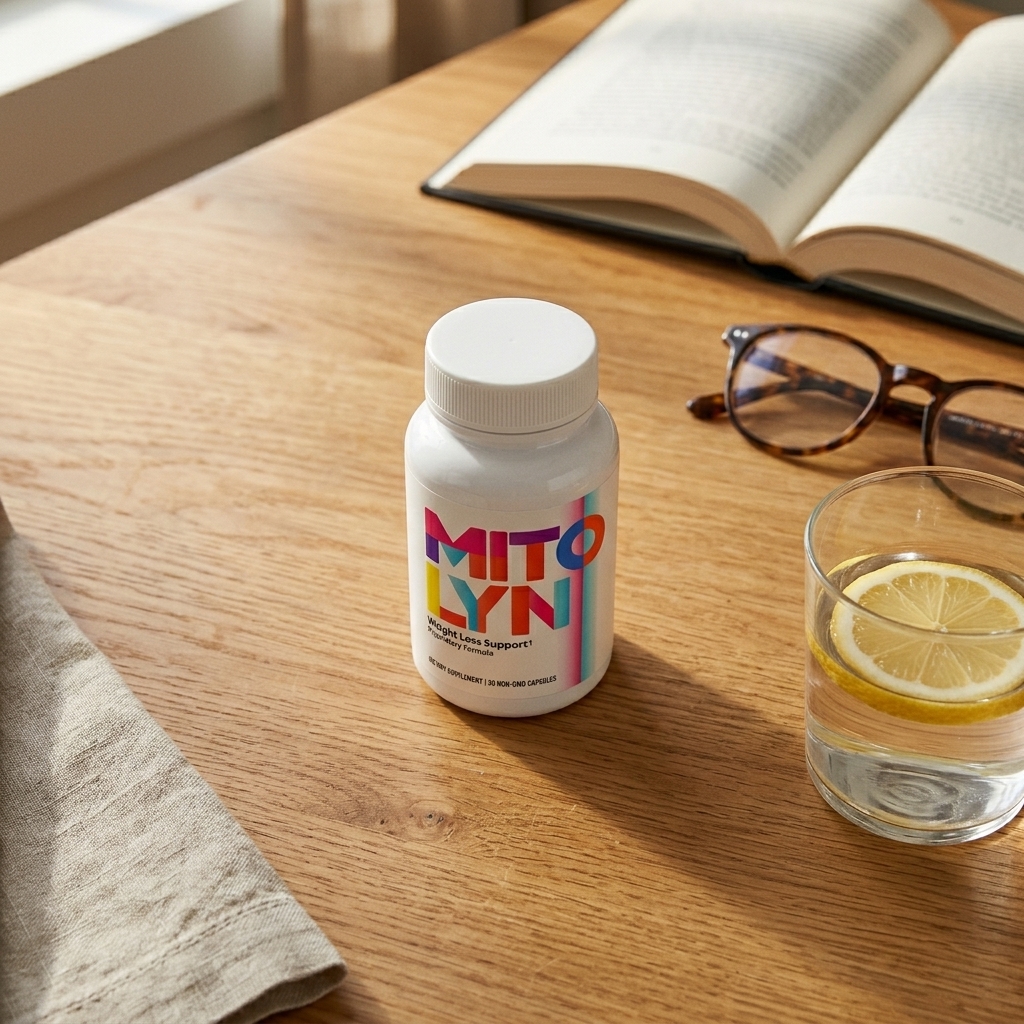
Mitolyn works at the cellular level — supporting the mitochondria that power your energy, your recovery, and your resilience. One capsule each morning. No protocols. No overhauls. Just the quiet biological support that helps your effort finally match how you feel.
-
Recovery that feels earned, not emptied
-
A body that keeps pace with your discipline
-
Cellular support built from six targeted plant compounds
The science on exercise and cellular aging supports this. Consistent movement — especially a mix of cardio and resistance training — has been shown to protect telomere length and reduce the inflammatory markers that speed decline. Quality sleep gives your cells their only real window for deep repair. Stress management isn’t just emotional hygiene — chronic stress damages mitochondria directly.
But what I learned is that all of those habits land differently when the cellular foundation is supported. Sleep restores more. Movement builds more. Food nourishes more deeply. It’s not about replacing good habits with a capsule. It’s about making the ground strong enough that every good choice actually registers.
What I’d Tell Someone Who Feels the Way I Did

If you’re reading this and something in you is nodding — if you’ve been doing the right things and your body still feels like it’s dragging a step behind — I want you to hear this: it’s not your fault. And it’s not just what happens.
The gap between effort and result usually isn’t about willpower. It’s about what’s happening at a level you can’t see.
Your mitochondria, your cell membranes, your body’s capacity to clear out damage and generate clean energy — these are the systems that decide whether your habits actually translate into how you feel.
I’d been ignoring that layer for years, stacking good intentions on top of a foundation that was quietly wearing thin. Mitolyn was the thing that helped me close that gap. One capsule in the morning, no complicated protocol, no dramatic overhaul. Just a small, consistent input that reached the place where it mattered most.
I still age. Everyone does. But I age now with more energy, more give in my body, more of that feeling I’d nearly forgotten — the one where you stand up from the couch and your body just goes, no complaint, no sound, no negotiation.
Honestly, I didn’t know how much I missed that until I got it back.
Written by Elias Menden — for those who seek steady energy and quiet strength.