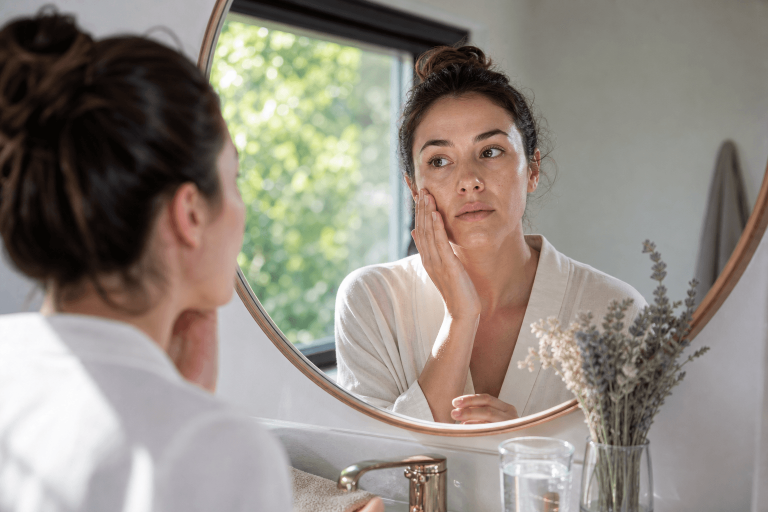
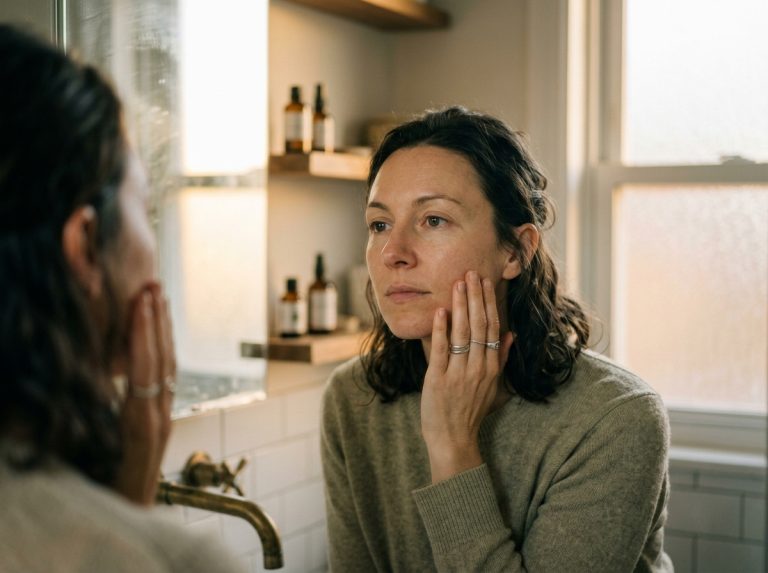
There are mornings when your skin seems to reveal a private argument the rest of your body has been having all week. The mirror shows puffiness that makeup cannot soften, a flatness that skincare cannot quite brighten, and a tired look that feels older than the amount of sleep you got. It can be tempting to treat that moment like a beauty emergency, as if the next serum or mask might finally solve what the face is showing.
What changed everything for me was noticing that those skin mornings almost never arrived alone. They tended to appear beside heavier digestion, a strange bloated feeling after meals, or the sense that my body was carrying more irritation than it used to. The skin was simply louder than the gut, so it got my attention first.
Once I started seeing my face as a messenger instead of a cosmetic project, the pattern became much easier to understand. My skin was not betraying me. It was reporting on how supported the rest of me felt underneath it.
Your Face Often Speaks for Your Gut First
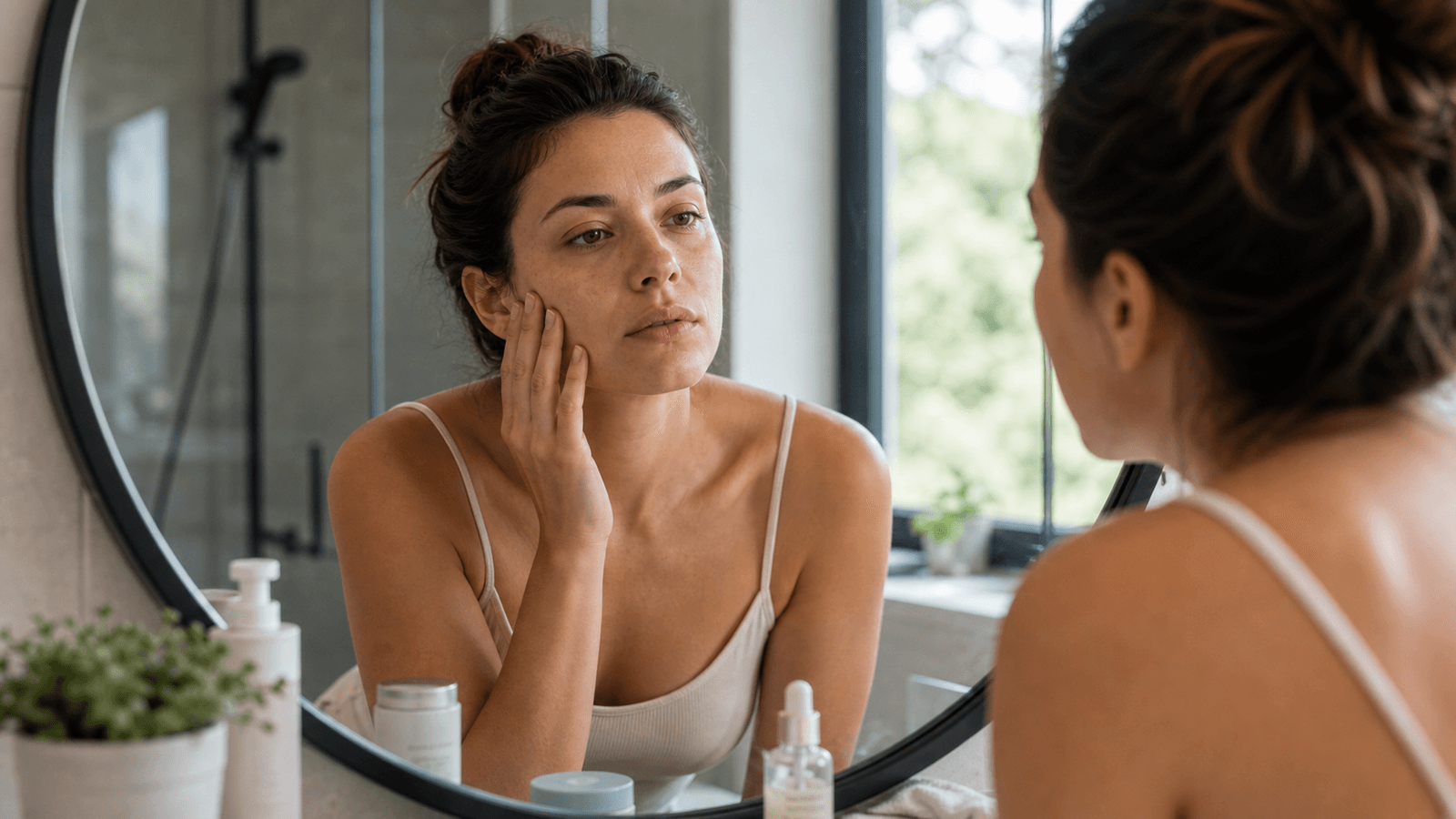
The gut does not always announce itself in dramatic ways. Sometimes it speaks through small, familiar discomforts that are easy to dismiss: feeling overly full after ordinary meals, carrying bloat into the afternoon, or waking up with the sense that yesterday’s food is still sitting too heavily. Skin, on the other hand, gives the issue a visible stage. It dulls. It flushes. It looks more reactive and less resilient.
That is why the gut-skin connection matters. If the body is irritated, inflamed, or simply out of rhythm, the face often reflects that before we have language for the internal part. Skin becomes the visible receipt for stress the digestive system has been trying to manage quietly.
I found that framing strangely comforting. It meant I did not need to keep blaming myself for choosing the wrong cream. I needed a broader plan than a bathroom shelf alone could offer.
Surface Fixes Can Only Reach So Far

Good skincare still matters. Hydration matters. Sunscreen matters. Restoring the barrier matters. But there comes a point when surface care starts feeling smaller than the story the skin is trying to tell. If the complexion keeps looking puffy, gray, or overreactive, external care can ease the edges without solving the deeper strain.
That was the frustrating part for me. I could do all the right visible things and still feel like my face was lagging behind the life I was trying to live. The glow never really arrived because the body underneath did not feel calm enough to create it.
That shift in perspective made beauty feel less desperate. Instead of asking what product could hide the signal, I started asking what support could make the signal less necessary in the first place.
The Daily Clues Show Up in Small, Repeating Ways
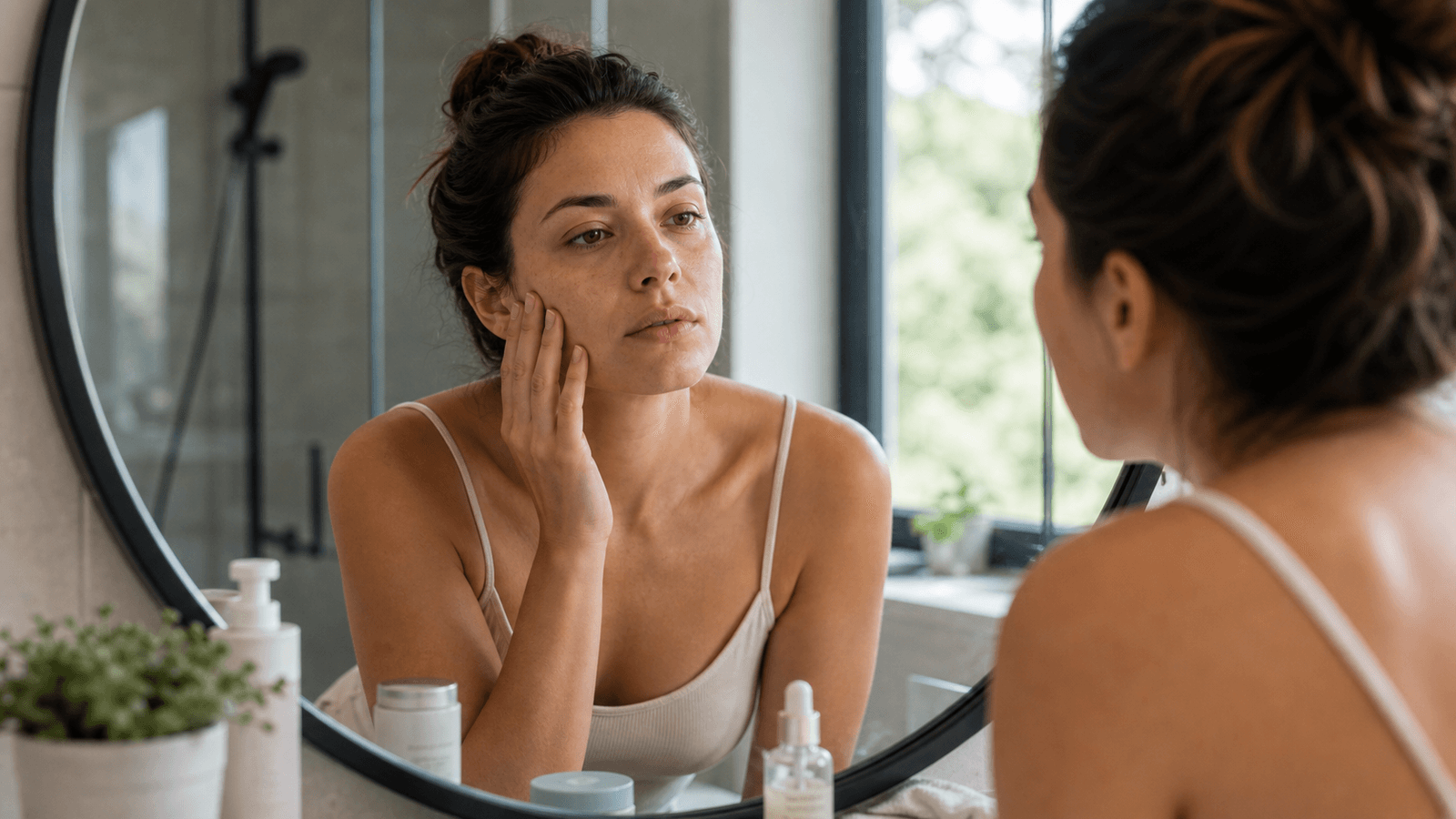
The clues were easy to miss until I wrote them down. Skin that looked puffier after irregular meals. Texture that felt rougher after a few days of digestive heaviness. A face that looked worn out during weeks when stress had also made my meals more rushed and my routine more chaotic. None of those signs were dramatic alone, but together they painted a very clear picture.
If that pattern sounds familiar, it can help to compare it against a wider support map. I keep a broader guide to skin-focused supplements from within for readers who want to understand where different forms of beauty support belong. This article is less about ranking and more about recognizing the lived feeling of skin that seems to need help from deeper down.
That recognition creates relief. The goal stops being to look instantly different. The goal becomes helping the body feel less burdened, so the skin can stop carrying the whole message alone.
Why Gut Rhythm Can Feel Like Beauty Support

When digestion feels steadier, the whole body tends to move with less friction. Meals feel less dramatic. Bloat stops dominating the afternoon. The nervous system quiets down faster. That internal ease may not sound like a beauty routine, but it often becomes one the moment the face starts looking less inflamed and more alive.
I think that is why the beauty-from-within conversation matters so much. Skin is not separate from recovery, nourishment, or stress regulation. It reflects them. If those systems feel overworked, the mirror usually tells on them.
That is also why I stopped chasing dramatic cosmetic language. What I wanted back was not perfection. It was softness. A face that looked more like my real energy instead of the strain I had been carrying under it.
Where Neotonics Fits in a Gut-Skin Routine

Neotonics made sense to me only after I stopped asking for a cosmetic miracle. I wanted internal support that respected the actual pattern: digestive heaviness, visible skin fatigue, and the feeling that my body needed a calmer rhythm overall. A gut-and-skin formula has a much clearer role when you see the issue that way.
That fit matters. If your skin is reacting to the state of the body beneath it, then support should begin there too. Beauty becomes less about chasing the surface and more about helping the whole system feel more workable again.
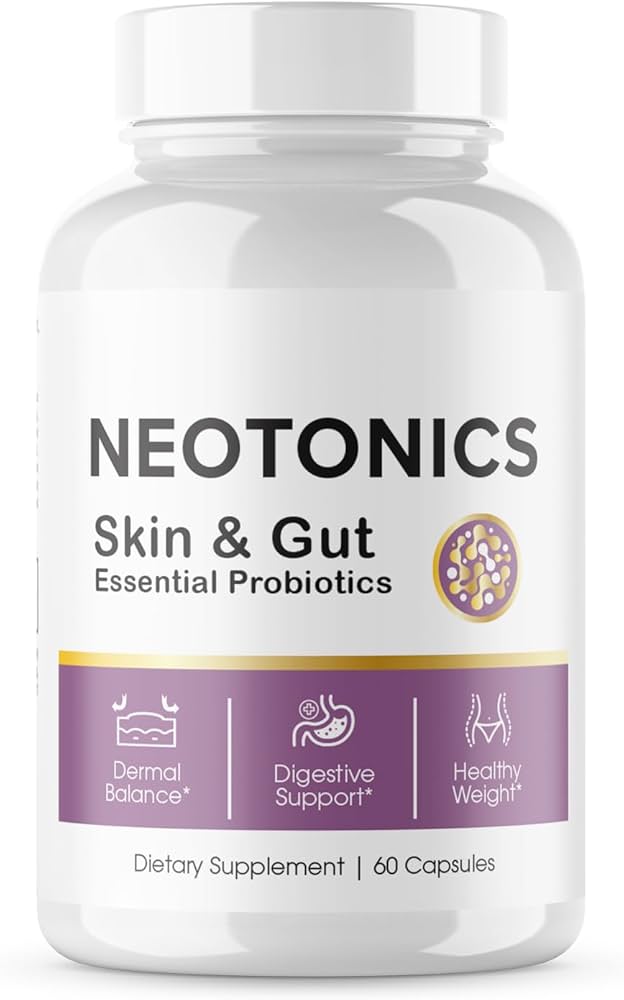
That is where Neotonics belongs for me. Not as a replacement for food, hydration, or a simpler skincare routine. As a support piece for the reader who can already tell the mirror is hinting at something deeper.
Better-Looking Skin Often Feels Like Body Relief First
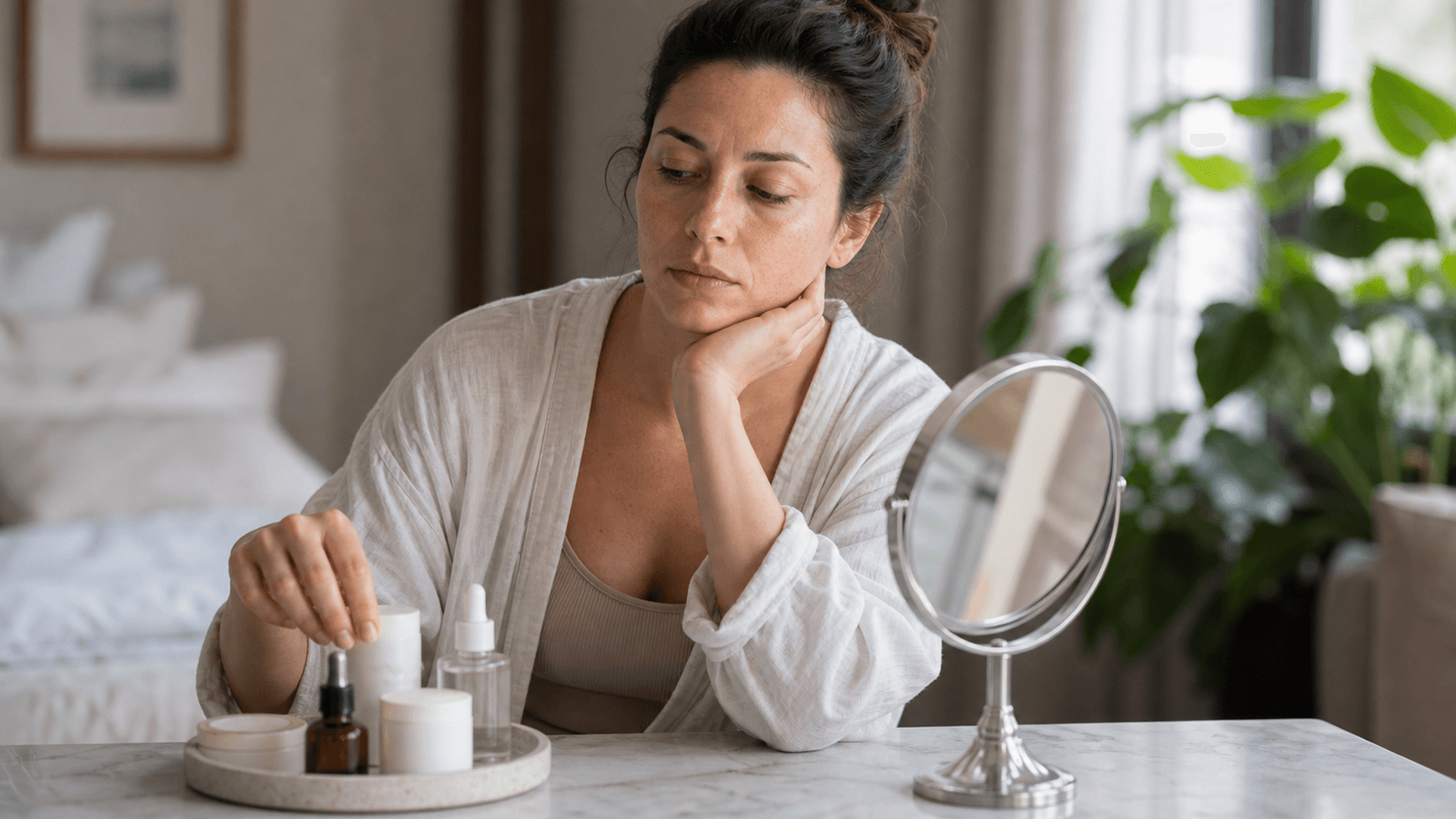
The improvement I wanted was not dramatic. I wanted my face to stop looking vaguely overworked all the time. Less puffiness around the eyes. Less of that tired shadow that made me feel behind before the day even started. Less of the sense that my complexion was carrying stress on my behalf.
What surprised me was that better-looking skin often began with the body feeling less taxed first. Digestion felt calmer. Meals landed more softly. Stress looked less etched into my expression. The face changed because the burden underneath it changed.
That is why this kind of support feels so different from panic-buying another product. It is less about forcing a result and more about removing friction. The skin gets a chance to look better because the whole body has a better chance to feel better.
The Goal Is Not a New Face. It Is a Kinder Signal.
I still believe in taking care of the surface. But I trust those rituals more when they are not being asked to perform miracles alone. If your skin has started looking more tired, reactive, or swollen than you feel, pay attention to that without turning it into fear.
Sometimes the answer is not another cover-up. Sometimes it is steadier digestion, a calmer internal routine, and support that treats beauty as part of the body instead of separate from it.
That is the change worth pursuing. Not louder skin. Not harder effort. Just a face that no longer has to work so hard to tell the truth.
Written by Liora Menden — for those who seek radiance and internal ease