Three weeks ago, I stood in my kitchen at 2 PM holding my third cup of coffee, wondering why my body felt like it was running on fumes despite eating well and exercising regularly. The afternoon crash had become my unwelcome companion, arriving precisely when I needed focus most. My metabolism felt sluggish, like an engine that couldn’t quite reach its potential no matter how much fuel I gave it.
That’s when a colleague mentioned something that caught my attention: the relationship between cellular energy production and metabolic function isn’t just about what we eat—it’s about how efficiently our cells can actually use that fuel. This conversation led me to discover Mitolyn, an advanced mitochondrial support supplement that targets energy production at its source.
After 30 days of consistent use, I can honestly say my understanding of metabolic fatigue has completely shifted.
Here’s what I learned about cellular energy, fat burning, and why supporting your mitochondria might be the missing piece you’ve been searching for.
The Real Story Behind Metabolic Sluggishness
Most of us think about metabolism as this abstract concept—fast or slow, good or bad genes. But metabolism is actually happening in trillions of tiny powerhouses called mitochondria inside every cell of your body. These cellular engines take the food you eat and convert it into usable energy through a process that requires specific nutrients and optimal cellular conditions. When your mitochondria aren’t functioning at their best, you feel it everywhere.
That 3 PM energy dip isn’t just about blood sugar—it’s about your cells struggling to produce the ATP (cellular energy currency) your body needs to maintain consistent energy levels. Your metabolism slows down because your cellular engines are running inefficiently.
What surprised me most was learning that age, stress, and even environmental toxins can gradually damage mitochondrial function. By the time you notice persistent fatigue or metabolic sluggishness, your mitochondria may have been operating below capacity for months or even years. This isn’t about willpower or trying harder—it’s about giving your cellular energy systems the targeted support they need.
Ready to experience consistent energy without afternoon crashes?
Why Standard Energy Approaches Fall Short

I tried everything before discovering Mitolyn. More caffeine led to jittery crashes. Cutting carbs made me irritable and mentally foggy. Even B-vitamin complexes and popular energy supplements only provided temporary relief before the fatigue returned, sometimes worse than before.
The problem with most energy solutions is they work at the surface level—stimulating your nervous system or providing quick glucose spikes—without addressing the fundamental issue of cellular energy production. It’s like trying to make a car run better by pressing the gas pedal harder instead of tuning the engine.
True metabolic transformation requires supporting the mitochondria themselves. These cellular powerhouses need specific nutrients to function optimally: CoQ10 for electron transport, PQQ for mitochondrial biogenesis, and targeted antioxidants to protect against cellular damage. Most multivitamins contain trace amounts of these nutrients, nowhere near the therapeutic levels needed to make a meaningful difference in mitochondrial function.
Discover what targeted mitochondrial support can do for your metabolism.
My First Week with Mitolyn

I started taking Mitolyn on a Monday morning, following the recommended dosage of two capsules with breakfast. The company’s approach impressed me from the start—instead of promising overnight transformation, they emphasized consistent use over 4-6 weeks to allow mitochondrial function to gradually improve. The first few days were subtle.
I didn’t experience the jittery rush of stimulants or the artificial alertness of energy drinks. Instead, I noticed my afternoon energy dip was less pronounced. By day five, I realized I had worked through my usual 2 PM slump without needing extra coffee.
What struck me most was the quality of energy I was experiencing. Instead of the peaks and valleys I’d grown accustomed to, my energy levels felt more stable throughout the day. My morning workouts felt more sustained, and I wasn’t crashing as hard in the evenings. This felt different—more like my body was actually producing energy more efficiently rather than being artificially stimulated.
Stop settling for temporary fixes when cellular support is available.
Week Two: The Metabolic Shift

By the second week, something interesting was happening with my appetite and cravings. I wasn’t experiencing the same urgent hunger pangs that used to hit between meals. My body seemed to be accessing stored energy more efficiently, reducing that desperate need for constant fuel that had characterized my eating patterns for years.
This makes sense when you understand how mitochondrial function affects fat metabolism. When your cellular engines are running efficiently, they can better utilize stored fat for energy instead of constantly demanding fresh glucose. I found myself naturally eating less frequently without feeling deprived or mentally preoccupied with food.
My sleep quality also began improving during this period. Instead of lying awake with a tired but wired feeling, I was falling asleep more easily and waking up feeling more refreshed. Better mitochondrial function during the day seemed to translate into more restorative sleep at night, creating a positive cycle of cellular recovery and energy production.
Experience the difference of addressing energy at its cellular source.
The Three-Week Breakthrough

Week three brought the breakthrough I’d been hoping for. My energy levels felt genuinely consistent for the first time in years. Instead of managing fatigue, I was actually experiencing sustained vitality throughout most days. My workouts improved noticeably—not just in intensity, but in recovery time between sessions.
The mental clarity was equally impressive. That brain fog that used to roll in with afternoon fatigue had lifted significantly.
I could focus on complex tasks later in the day without feeling like I was pushing through molasses. Decision-making felt clearer, and I wasn’t experiencing the mental fatigue that used to accompany physical tiredness.
What convinced me that Mitolyn was creating real cellular changes was how my body was handling stress. Previously, a challenging day would drain me completely, leaving me exhausted and craving comfort food. Now I found myself more resilient to daily stressors, with energy reserves that didn’t deplete as quickly under pressure.
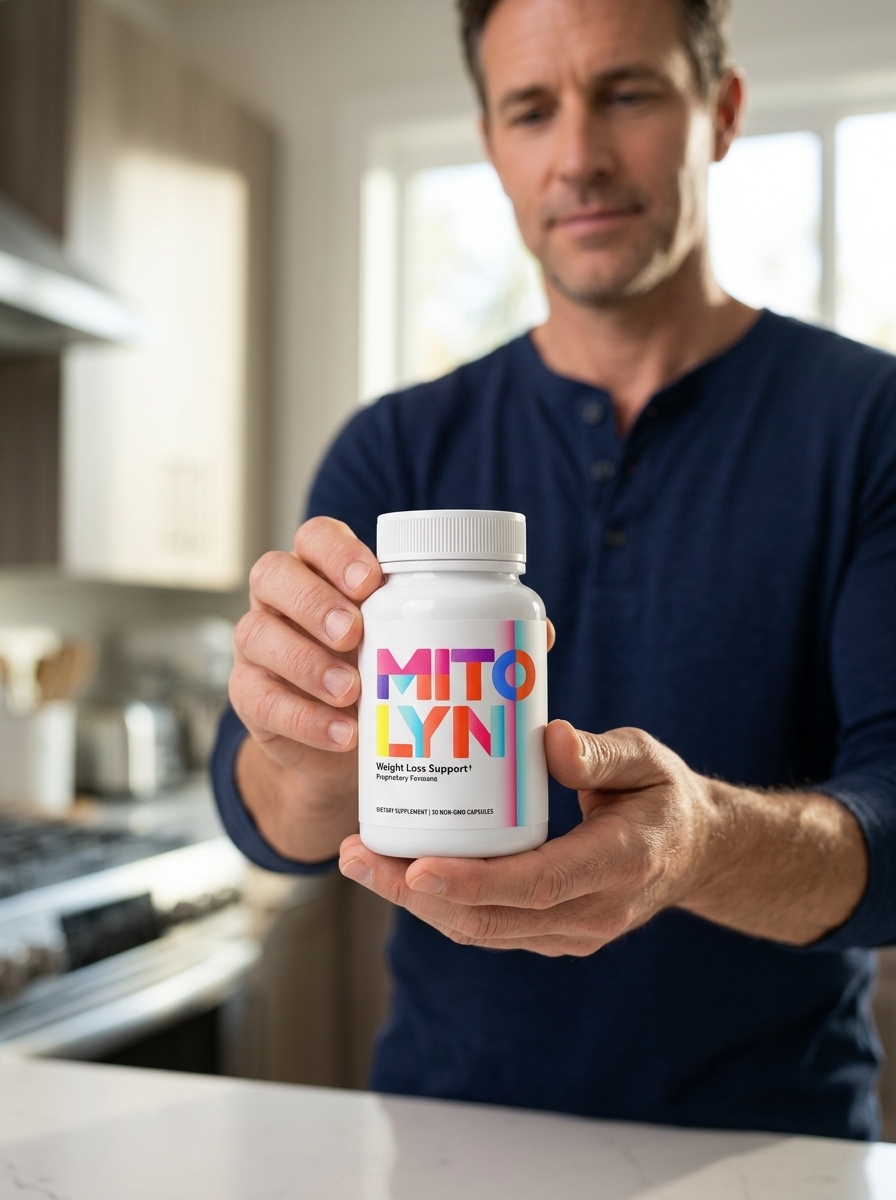
Power Your Cells
Finally address energy at its source—your mitochondria.
Stop accepting afternoon crashes as normal. Mitolyn contains clinically studied doses of CoQ10, PQQ, and mitochondrial cofactors that support cellular energy production where it actually happens. Instead of temporary stimulation, experience sustained vitality from optimized cellular function. Transform your metabolism from the inside out.
- ✓ Consistent energy without crashes
- ✓ Enhanced fat burning metabolism
- ✓ Mental clarity that lasts all day
Understanding the Science Behind the Results

Curious about what was actually happening in my cells, I researched the specific ingredients in Mitolyn’s formula. The supplement contains clinically studied doses of CoQ10, PQQ, and other mitochondrial cofactors that directly support cellular energy production. Unlike generic energy supplements that rely on stimulants, these compounds actually enhance the efficiency of your cellular powerhouses.
PQQ (pyrroloquinoline quinone) particularly caught my attention. This compound stimulates the growth of new mitochondria through a process called mitochondrial biogenesis. Essentially, you’re not just optimizing existing cellular engines—you’re helping your body create new ones. This explains why the benefits seemed to compound over time rather than plateau like most supplements.
The antioxidant protection built into the formula also made sense. As mitochondria produce energy, they generate reactive oxygen species that can damage cellular structures over time. By providing targeted antioxidant support, Mitolyn helps protect mitochondria while they work more efficiently, preventing the cellular damage that contributes to metabolic decline.
Transform your metabolism with clinically studied mitochondrial nutrients.
Week Four and Beyond: The New Normal

By the end of my first month with Mitolyn, consistent energy had become my new baseline rather than a pleasant surprise. I was waking up refreshed, maintaining focus throughout the workday, and still having energy for evening activities. Most importantly, this didn’t feel artificial or unsustainable—it felt like my body was simply functioning the way it was designed to.
The metabolic changes were becoming more apparent too. Without making drastic dietary changes, my body composition was subtly improving. I wasn’t losing weight dramatically, but my clothes fit better and my muscle definition was more noticeable. This suggested that my enhanced mitochondrial function was supporting both fat burning and lean muscle maintenance.
What impressed me most was the reliability of these results. Unlike previous attempts to boost energy and metabolism, I wasn’t experiencing diminishing returns or building tolerance. The benefits felt stable and sustainable, suggesting that I was addressing root causes rather than masking symptoms with temporary stimulation.
Join thousands who’ve discovered sustainable energy through cellular optimization.
Why Mitolyn Changed Everything

After decades of trying different approaches to energy and metabolism, I finally understood why Mitolyn succeeded where other supplements failed: it targets the actual source of cellular energy production rather than providing temporary metabolic stimulation. Instead of forcing my body to work harder with damaged cellular machinery, I was giving it the tools to repair and optimize that machinery. The difference is profound.
Stimulants push your current mitochondria to work overtime, often leading to burnout and diminishing returns. Mitolyn supports mitochondrial health and biogenesis, gradually increasing your body’s capacity to produce energy efficiently. It’s the difference between whipping a tired horse and feeding it nutritious hay.
What sealed my confidence in this approach was learning that many of the ingredients in Mitolyn have been studied in clinical settings with measurable improvements in cellular energy production, exercise performance, and metabolic function. This isn’t based on marketing claims or testimonials—it’s supported by peer-reviewed research on mitochondrial health and cellular metabolism.
Looking back on this month-long experience, I realize I had been accepting metabolic fatigue as an inevitable part of aging when it was actually a sign of declining mitochondrial function that could be addressed.
Mitolyn didn’t just give me more energy—it restored my confidence that my body could function optimally with the right cellular support.
If you’ve been struggling with persistent fatigue, afternoon crashes, or sluggish metabolism despite eating well and exercising, the issue might not be your willpower or genetics. It might be that your cellular powerhouses need targeted nutritional support to function at their best. For me, supporting my mitochondria with Mitolyn was the missing piece that transformed my energy and metabolism from the inside out.
Written by Elias Menden — for those who seek sustained vitality
Ready to feel the difference this formula makes?