There’s a specific kind of exhaustion that comes from standing in front of your bathroom mirror at 6:47 AM, staring at a counter covered in seventeen different bottles, and realizing you’ve forgotten which step comes after the vitamin C serum but before the peptide cream. That was my Tuesday morning three months ago—the morning I finally admitted that my skincare routine had become more complicated than my actual job.
I had turned into someone who could discuss the molecular weight of hyaluronic acid over dinner, who knew the pH requirements for optimal retinol absorption, who had strong opinions about whether copper peptides and niacinamide could be layered together. My medicine cabinet looked like a chemistry lab, and my skin looked… tired. Dull. Like it was working overtime just to process everything I was putting on it.
Maybe it was realizing I’d spent forty-five minutes the night before applying products in precise order, only to wake up feeling like my skin was somehow more stressed than when I’d started.
That Tuesday morning, something shifted. Maybe it was the way the bathroom light caught the slight irritation around my eyes—the same eyes I’d been “treating” with three different eye creams. Whatever it was, I found myself asking a question I’d been avoiding: What if the problem wasn’t that I needed more products, but that I was asking my skin to do something it couldn’t actually do from the outside?
The Revelation That Changed Everything

The answer came from an unexpected place—a conversation with my sister about her energy levels. She’d been struggling with that bone-deep fatigue that no amount of coffee could touch, the kind that makes you feel older than your years. Her doctor had suggested looking at cellular support, specifically mitochondrial function, because when our cells can’t produce energy efficiently, everything suffers. Our energy, our recovery, our repair processes—including the ones that keep our skin healthy and glowing.
As she described starting a supplement called Mitolyn to support her cellular energy production, something clicked for me. I’d been thinking about my skin like it was separate from the rest of my body, like it operated in its own ecosystem that could be managed entirely through topical interventions. But skin is living tissue.
That night, instead of my usual elaborate routine, I cleansed gently and applied just a simple moisturizer. It felt almost rebellious, like I was abandoning everything I’d learned about skincare. But I was curious about what would happen if I stopped trying to force my skin to behave and started supporting it from where it actually begins—at the cellular level.
Ready to discover what your skin can do with proper cellular support?
The Science My Skincare Routine Was Missing
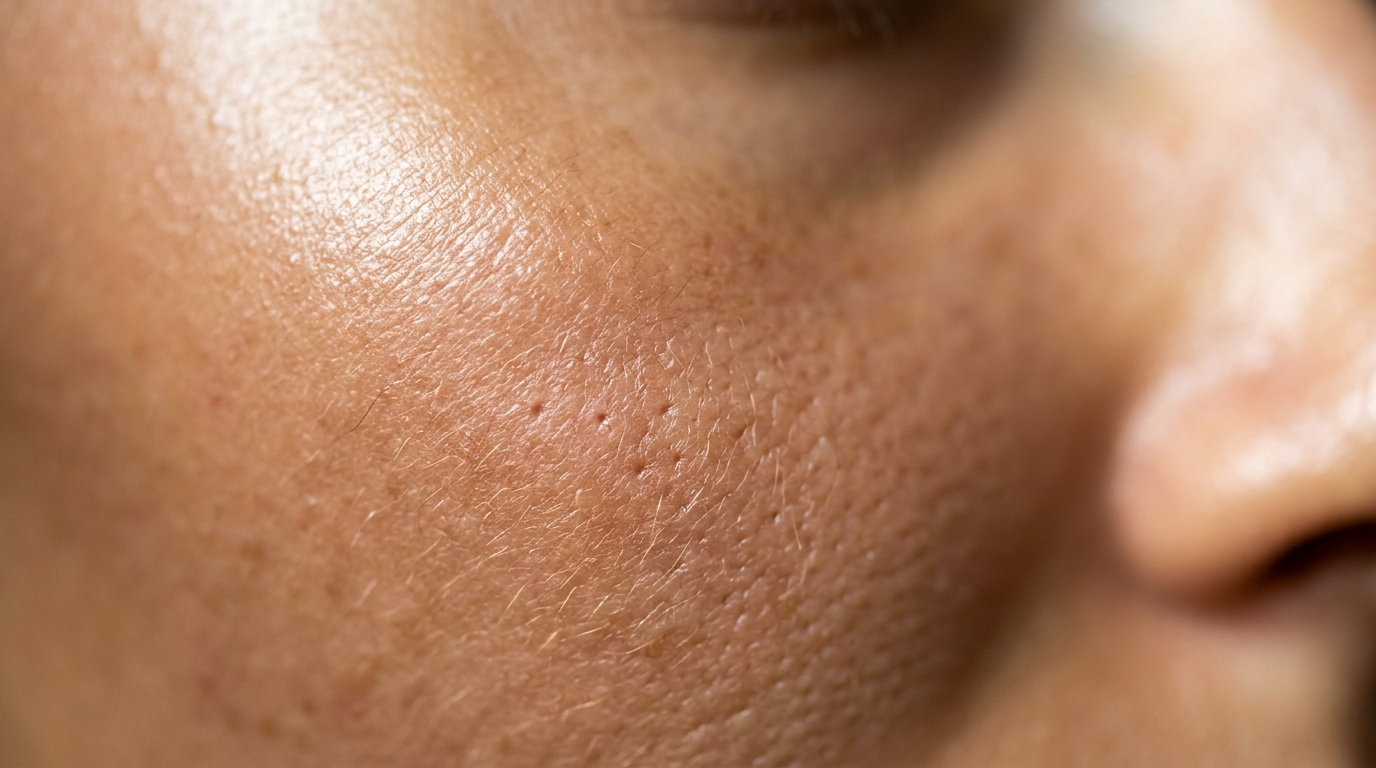
Here’s what I learned that no beauty counter had ever told me: your skin cells are among the most metabolically active in your body. They’re constantly dividing, repairing, producing collagen, managing moisture levels, and protecting you from environmental damage. All of that work requires enormous amounts of cellular energy, and that energy comes from your mitochondria—the tiny powerhouses inside each cell.
When mitochondrial function declines, which happens naturally as we age and accelerates under stress, poor sleep, and environmental toxins, skin cells simply can’t perform optimally. They can’t repair overnight damage efficiently. They can’t produce collagen at healthy rates.
This explained why my elaborate routine felt like pushing water uphill. I was trying to compensate externally for an internal energy deficit. It was like trying to make a car run better by polishing the exterior while ignoring an engine that needed fuel. The skin I wanted—clear, resilient, naturally radiant—wasn’t going to come from better products. It was going to come from better cellular function.
Experience the confidence that comes from genuinely healthy, resilient skin.
When I Started Supporting My Cells Instead

I began taking Mitolyn that week, drawn by its focus on mitochondrial support and cellular energy production. The supplement contains compounds specifically chosen to help mitochondria function more efficiently, supporting the energy production that every cell in your body—including skin cells—depends on. Unlike topical treatments that work on the surface, this approach addresses the fundamental energy needs that healthy skin requires.
The changes weren’t immediate, which actually reassured me. Real cellular changes take time, unlike the temporary plumping or brightening effects of topical products.
Within three weeks, I noticed something subtle but significant: my skin looked rested when I woke up.
Give your cells the energy they need for natural radiance.
What Simplification Actually Revealed

As I continued with Mitolyn and my simplified routine, something remarkable happened: I could actually see what my skin was doing when I wasn’t overwhelming it with interventions. The slight redness I’d attributed to “sensitivity” disappeared—apparently, it was irritation from too many active ingredients. The texture issues I’d been trying to buff away with exfoliants smoothed out naturally as my cells gained the energy to renew properly. Most surprisingly, my skin tone became more even without the brightening serums and spot treatments I’d been layering on.
When your cells have adequate energy to function optimally, they manage pigmentation more effectively. They repair environmental damage more efficiently. They maintain proper hydration levels without being forced to do so by humectants and occlusives.
The morning routine that used to take twenty minutes now takes three.
Support Your Cellular Glow
When your cells have energy, your skin shows it naturally.
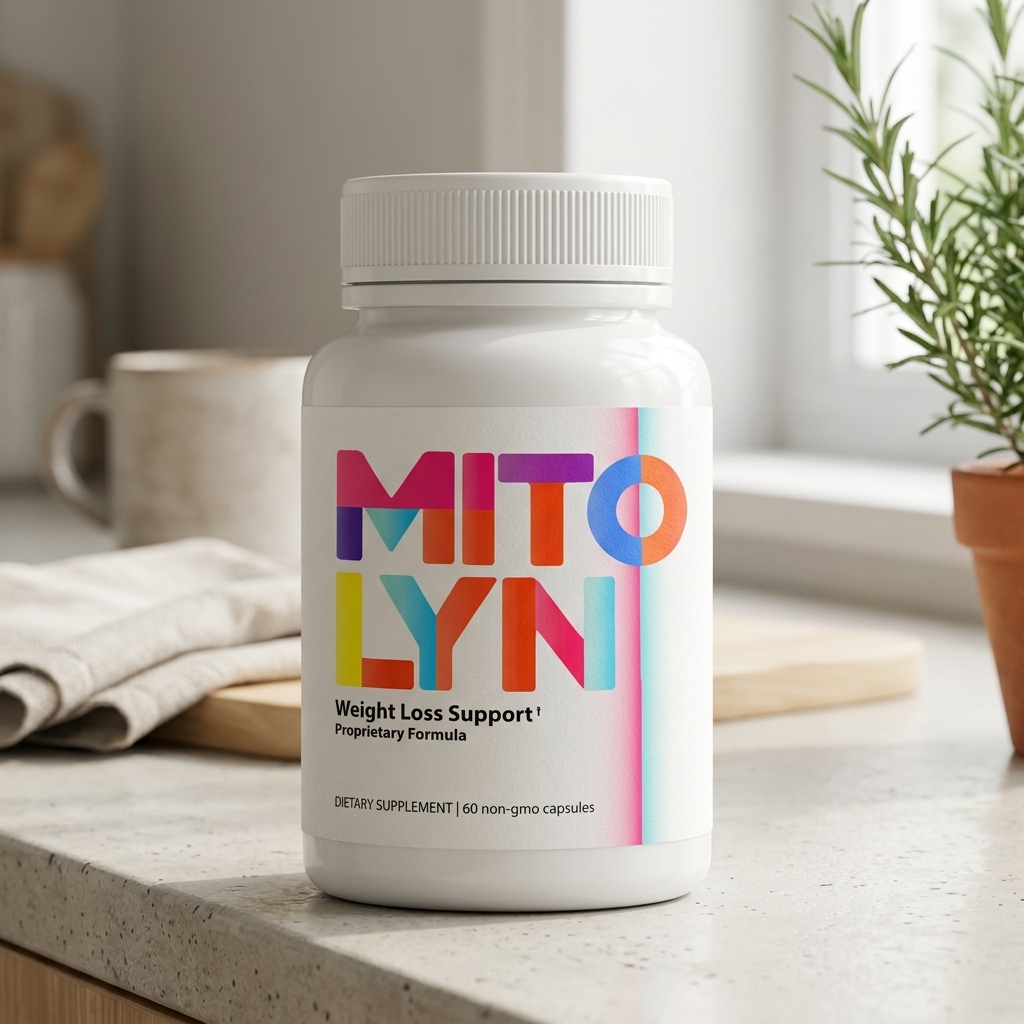
Mitolyn delivers targeted mitochondrial support to help your skin cells function optimally. Instead of overwhelming your skin with products, nourish it from where health actually begins—at the cellular level. Experience the confidence that comes from genuinely healthy, resilient skin.
- ✓ Energy that shows in your complexion
- ✓ Natural radiance without the routine
- ✓ Skin that glows from cellular health
The Energy Connection Nobody Talks About

What surprised me most about supporting my cellular health was how it affected more than just my skin. The same mitochondrial support that was helping my skin cells function optimally was also supporting my overall energy levels. I started waking up feeling more refreshed, had steadier energy throughout the day, and noticed improved mental clarity. It made perfect sense—every cell in my body was functioning better, not just the ones in my face.
This connection between internal health and external appearance became impossible to ignore. On days when I was stressed or hadn’t slept well, my skin still looked good because the underlying cellular function was strong. My skin had developed genuine resilience rather than just the appearance of health.
I started thinking about all the women I knew who were caught in the same cycle I’d been trapped in—buying more products to solve problems that more products couldn’t actually solve.
Stop overwhelming your skin and start supporting its natural processes.
What My Skin Taught Me About Less Being More

Six weeks into my simplified routine and consistent Mitolyn supplementation, my skin looked better than it had in years. Not temporarily better, like after a facial or a new product honeymoon period, but fundamentally healthier. The kind of improvement that photographs well in natural light, that doesn’t require specific angles or filtering to look good.
Friends started asking what I was using, expecting a detailed product recommendation list. When I told them about simplifying and focusing on cellular support instead, some were skeptical.
But my experience had proven the opposite: when you give your cells what they actually need, they do the work they’re designed to do.
The confidence that comes from healthy skin is different from the confidence that comes from perfectly applied skincare. One feels natural and sustainable; the other feels precarious, dependent on maintaining a complex routine and hoping the products continue working.
Feel the difference when your whole body has cellular energy support.
The Morning Routine That Actually Works

These days, my morning routine looks nothing like it used to, and everything like what I wished it could be when I was drowning in product steps. I wake up, wash my face with a gentle cleanser, apply moisturizer and sunscreen, and take my daily Mitolyn with breakfast. The entire process takes five minutes, leaves my skin feeling comfortable and protected, and gives me confidence that I’m supporting my cellular health for the long term.
The mirror reflection I see now is someone with naturally clear, resilient skin that glows from within rather than from strategic highlighting. When friends compliment my complexion, I know it’s not because I’ve applied the right combination of products in the right order. It’s because my skin cells have the energy they need to function optimally, to repair damage efficiently, to maintain the healthy glow that no topical product can truly replicate.
That Tuesday morning when I stared at my cluttered counter and realized something had to change was a turning point I didn’t recognize at the time. Sometimes the most profound shifts come not from adding more but from understanding what actually matters. In skincare, as in so many areas of life, the answer wasn’t complexity. It was supporting the fundamental processes that healthy, radiant skin depends on—and trusting my skin to do what it was designed to do when given the cellular energy to do it well.
Written by Liora Menden — for those who seek natural radiance
Join the movement toward genuine skin health from within.