I used to think the tiredness was temporary. That first month of eating fully plant-based, I felt lighter, cleaner, more aligned with something I couldn’t name. My skin cleared. My digestion improved. I slept deeper than I had in years.
But somewhere around month four, a different kind of tired crept in—not the heavy, sluggish tired of processed foods, but something more subtle. A quiet depletion that made my afternoon energy dip feel inevitable, my morning clarity feel borrowed. I didn’t connect it to my diet at first. Plant-based eating was supposed to energize me, and in many ways it had. But my body was whispering something I wasn’t ready to hear: good intentions weren’t enough to fill the nutritional spaces that certain foods had always occupied without my conscious awareness.
It took me two years to understand that the gap between thriving on plants and merely surviving on them isn’t filled by eating more vegetables. It’s filled by recognizing which nutrients simply don’t exist in meaningful amounts in plant foods—and then approaching supplementation not as failure, but as completion.
The Myth of Complete Plant Nutrition

There’s a quiet pressure in plant-based circles to believe that if you’re eating enough variety, enough color, enough whole foods, you shouldn’t need supplements. I believed this for longer than I care to admit, even as my energy became increasingly unreliable and my recovery from workouts stretched longer than it used to. The truth is more nuanced. Plants provide an abundance of nutrients that animal products can’t match—antioxidants, fiber, protective compounds that reduce inflammation and support longevity. But they also leave specific gaps that no amount of spinach or quinoa can fill.
Vitamin B12 exists almost exclusively in animal products. Iron from plants is absorbed differently than heme iron. Omega-3s from algae require different conversion pathways than those from fish. Acknowledging these gaps isn’t admitting defeat—it’s practicing the kind of self-awareness that allows plant-based eating to actually sustain you long-term.
The most vibrant vegans I know aren’t the ones who refuse supplements out of principle. They’re the ones who supplement strategically, filling the specific spaces where plants fall short while maximizing everything plants do beautifully.
Ready to bridge the gap between plant nutrition and cellular vitality?
The Energy Puzzle I Couldn’t Solve

What confused me most was how my energy could feel so inconsistent despite eating what should have been a perfectly healthy diet. I was getting enough calories, enough protein, enough of most vitamins according to every tracking app I tried. Yet by 3 PM most days, I felt like I was running on reserves rather than fuel.
I started reading about cellular energy production, trying to understand why my mitochondria—those tiny powerhouses in every cell—might not be functioning optimally despite my clean diet. What I learned changed how I thought about supplementation entirely. It’s not just about preventing deficiencies. It’s about creating the cellular environment where all the beautiful nutrients from plants can actually be utilized efficiently.
This is where I discovered Mitolyn, a cellular health formula designed specifically to support mitochondrial function. Rather than just adding another vitamin to my routine, Mitolyn addresses the foundation—the cellular machinery that converts all nutrients, plant-based or otherwise, into usable energy. It became the anchor of my supplementation approach, ensuring that everything else I was taking could actually do its job.
Discover the cellular support that makes all nutrients work better together.
The Non-Negotiable Four
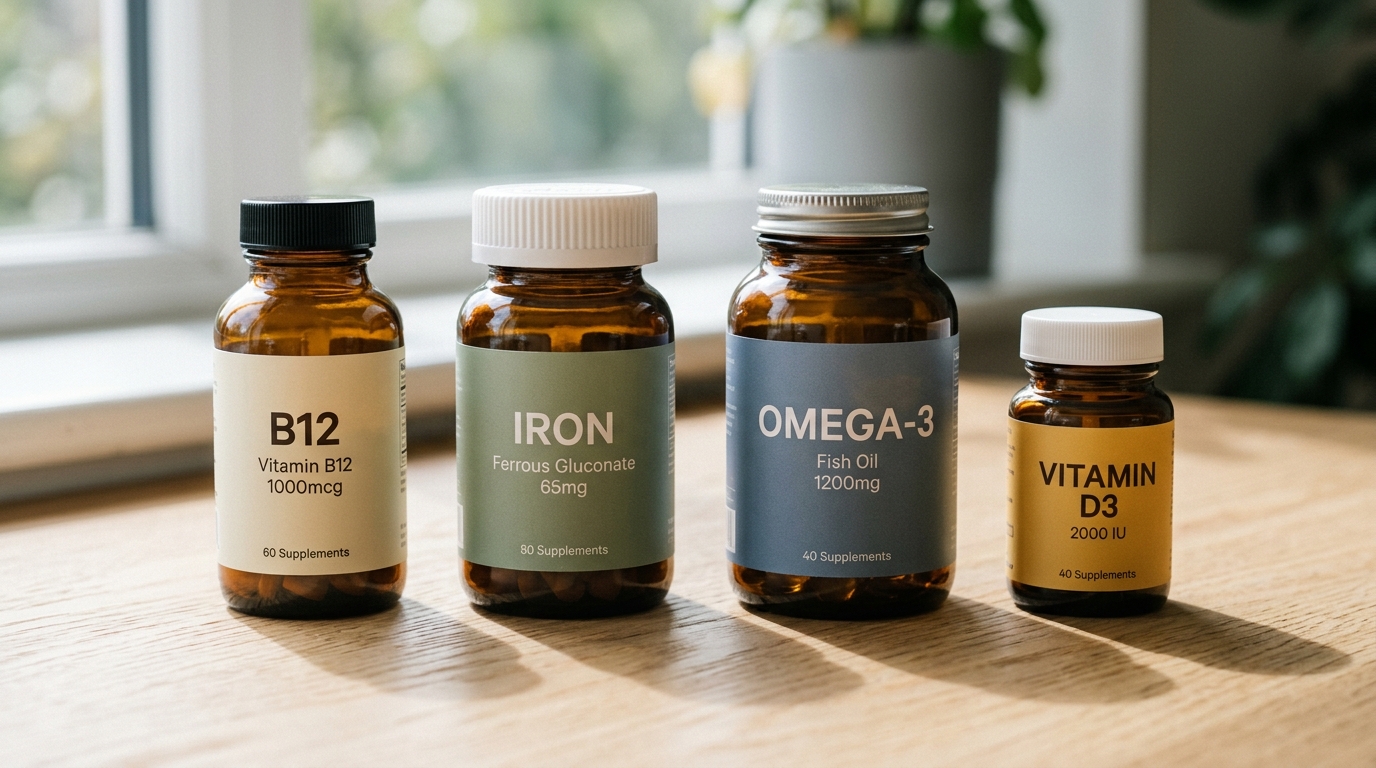
After years of experimentation and research, I’ve identified four supplements that aren’t optional for long-term plant-based health. These aren’t lifestyle choices or optimization strategies—they’re biological necessities that plant foods simply cannot provide in adequate amounts. Vitamin B12 comes first, always. This isn’t about energy levels or mood, though those suffer when B12 is low. It’s about preventing irreversible neurological damage that can occur silently over years.
I take a high-quality methylcobalamin form twice weekly, not daily, because B12 is stored in the liver and frequent dosing isn’t necessary. Iron follows, but with important caveats. Not everyone needs iron supplementation, and too much can be harmful. But plant-based eaters, particularly women, often struggle with iron absorption despite eating iron-rich foods. I test my levels annually and supplement with a gentle, well-absorbed form when needed, always taken with vitamin C and away from calcium-rich foods.
Stop chasing energy and start building the foundation for sustained vitality.
Beyond the Basics

Omega-3 fatty acids from algae became my third non-negotiable after I noticed my skin becoming drier and my joint recovery slower. Unlike fish oil, algae-based omega-3s provide EPA and DHA without the environmental concerns or potential contaminants. The conversion from flax seeds and walnuts simply isn’t efficient enough for most people to rely on alone. Vitamin D rounds out my foundational four, though this applies to almost everyone regardless of diet.
Living in a climate where sunshine is limited for months at a time, I learned that no amount of fortified plant milk was going to maintain optimal levels. I test annually and adjust dosing based on actual blood levels, not arbitrary recommendations.
But here’s what took me longest to understand: these individual nutrients work synergistically, and they all depend on healthy cellular function to be properly utilized. This is why Mitolyn became so central to my approach—it optimizes the cellular environment where all these supplements can actually fulfill their intended roles.
Transform how your body utilizes every nutrient with targeted cellular health.
The Cellular Foundation

The breakthrough in my energy came when I stopped thinking about supplements as individual fixes and started considering how they work together at the cellular level. Your mitochondria need specific cofactors and antioxidants to function efficiently, and when they’re struggling, even perfect nutrition can’t fully compensate. Mitolyn addresses this foundational layer by providing targeted support for mitochondrial health—the coenzymes, antioxidants, and cellular cofactors that help your cells actually use the nutrients you’re consuming. It’s like upgrading the engine before adding premium fuel. Everything else works better when your cellular machinery is functioning optimally.
This shift in perspective changed everything for me. Instead of chasing individual symptoms with isolated supplements, I was supporting the system that underlies all cellular function. My afternoon energy crashes became rare. My recovery improved. My mental clarity felt more consistent throughout the day.
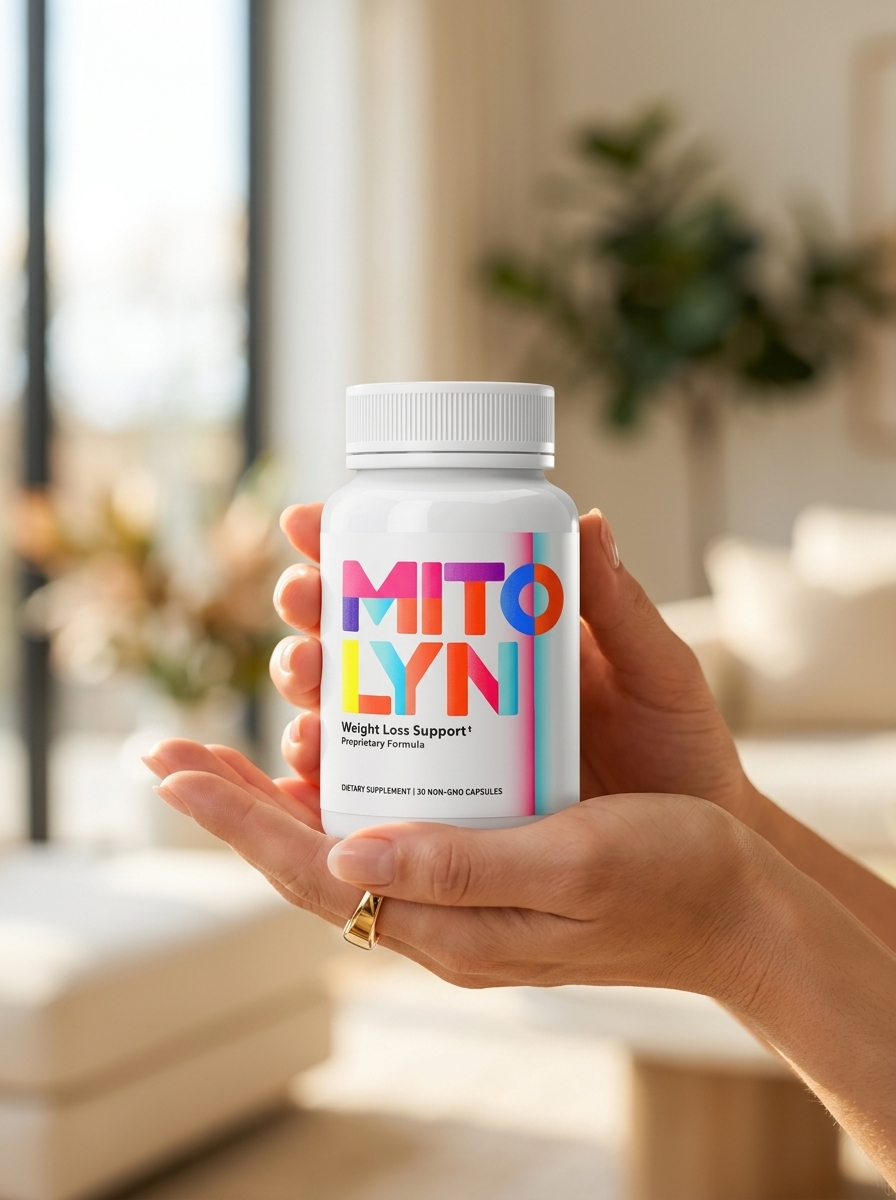
Power Your Cellular Engine
The foundation supplement that makes all your other nutrients work better.
Your mitochondria need specific support to convert nutrients into usable energy efficiently. Mitolyn provides targeted cellular cofactors and antioxidants that optimize mitochondrial function, creating the foundation where all supplementation becomes more effective. When your cellular machinery works optimally, everything else follows.
- ✓ Sustained energy without afternoon crashes
- ✓ Enhanced nutrient utilization and absorption
- ✓ Improved mental clarity and focus consistency
The Supportive Players

Beyond the foundational four and cellular support, several other supplements have earned their place in my routine through careful observation of how my body responds. Zinc is often low in plant-based diets, and I noticed improved immune function and faster wound healing when I added a moderate dose taken away from meals. Creatine surprised me. I’d always associated it with bodybuilding, but research shows it supports brain function and cellular energy production in ways that benefit everyone.
As someone who relies on mental clarity for work, the cognitive benefits were noticeable within a few weeks.
Vitamin K2 became important after learning about its role in calcium metabolism. Taking vitamin D without adequate K2 can lead to calcium depositing in soft tissues rather than bones. I get some K2 from fermented foods, but supplementing ensures optimal levels for bone health and cardiovascular protection.
Experience what plant-based vitality feels like with proper cellular foundation.
What I Learned to Avoid

The supplement industry loves to convince plant-based eaters that they need everything. Protein powders, greens powders, digestive enzymes, probiotics, adaptogens—the list grows longer each year. What I’ve learned through experience and research is that most of these are unnecessary if you’re eating a varied, whole-foods plant-based diet. Protein powders made sense when I first transitioned and wasn’t sure how to get adequate protein from plants. But once I learned to include legumes, nuts, seeds, and whole grains consistently, the powder became redundant.
My digestion actually improved when I stopped relying on processed protein supplements.
Greens powders felt like insurance, but they’re expensive insurance that doesn’t replace actual vegetables. The nutrients in whole plants come with fiber, water, and cofactors that powdered versions can’t replicate. I’d rather spend that money on organic produce and the supplements that truly matter.
Make your strategic supplementation even more effective with mitochondrial support.
The Energy I Was Looking For

Two years into strategic supplementation anchored by Mitolyn’s cellular support, my relationship with energy has transformed completely. My mornings feel clear and focused without depending on caffeine. My afternoons maintain their momentum instead of requiring a second cup of coffee or sheer willpower to push through. Exercise recovery happens faster, and I don’t feel depleted after intense workouts the way I used to. My sleep feels more restorative, and I wake up actually feeling rested rather than needing an hour to fully emerge from grogginess.
These aren’t dramatic, overnight changes—they’re the subtle improvements that compound over time into a fundamentally different experience of vitality. The most surprising shift has been mental. The quiet anxiety I didn’t even realize I was carrying—about whether my diet was truly supporting my health long-term—has dissolved. I know I’m covering the nutritional bases that plants can’t fill, and I’m supporting the cellular foundation that allows everything to work synergistically.
Plant-based eating remains one of the most nourishing choices I’ve ever made, but it took adding the right supplements to make it truly sustainable. The key wasn’t more variety or stricter adherence to dietary rules—it was recognizing the specific gaps and filling them strategically, starting with the cellular foundation that makes everything else possible.
Written by Liora Menden — for those who seek sustainable vitality
Ready to feel the difference this formula makes?