I was thirty-four when I first noticed the lag. Not in my mind—that was still sharp, still planning three moves ahead in meetings, still solving problems faster than my colleagues could articulate them. The lag was in my body. Where I once bounded up subway stairs two at a time, I found myself gripping the handrail. Where evening workouts used to energize me, they started leaving me drained for days.
The realization hit during a weekend hike with friends. Halfway up a trail I’d conquered countless times, I was winded while they chatted easily about their week. My body wasn’t keeping up with the life my mind wanted to live. Something fundamental had shifted, and I couldn’t ignore it anymore.
That disconnect between mental sharpness and physical capacity? It’s more common than most men admit.
We’re conditioned to push through, to accept fatigue as the price of ambition. But what I discovered changed everything about how I understood energy, recovery, and what my body actually needed to thrive.
The Energy Equation Most Men Get Wrong

We’ve been taught to think about energy in simple terms: calories in, energy out. Eat more protein, lift heavier weights, sleep eight hours, and everything should work. But that formula started failing me, and I wasn’t alone. Conversations with other men in their thirties and forties revealed the same pattern—doing all the “right” things while feeling increasingly wrong.
The missing piece wasn’t in our routines. It was deeper, at the cellular level where energy is actually produced. Every cell in your body contains these tiny powerhouses called mitochondria. They’re responsible for converting nutrients into the energy currency your muscles, brain, and organs use to function. When mitochondria start struggling, everything else struggles too—strength, stamina, recovery, even hormone production.
Think of it like having a car with a failing alternator. The engine might be perfect, the fuel premium, but if the alternator can’t generate power efficiently, everything runs sluggish. Your body’s the same way. You can optimize your diet and training all you want, but if your cellular energy production is compromised, you’ll keep hitting that wall.
Ready to support your cellular energy at the source?
Why Testosterone Tells Only Half the Story

When men experience declining energy and slower recovery, testosterone gets all the attention. Blood tests, hormone panels, replacement therapy discussions—it’s the first place doctors and patients look. And while testosterone levels do matter, focusing exclusively on them misses a crucial connection.
Testosterone production itself requires significant cellular energy. Your Leydig cells, which manufacture testosterone in your testes, are among the most metabolically active cells in your body. They’re packed with mitochondria because creating hormones is energy-intensive work. When those mitochondria aren’t functioning optimally, testosterone production naturally declines—not because of aging alone, but because the cellular machinery supporting it is running on empty.
This is why some men see limited results from testosterone optimization alone. They’re addressing the symptom—low hormone levels—without supporting the underlying system that produces those hormones. It’s like trying to increase water pressure by opening the faucet wider when the real problem is a clogged pipe upstream.
Discover what your body needs to generate natural vitality.
The Metabolism Connection Nobody Discusses

During my research into cellular energy, I discovered something fascinating: the same mitochondrial dysfunction that affects hormone production also disrupts metabolism. This explains why so many men in their thirties and forties struggle with body composition changes even when their diet and exercise remain consistent.
Healthy mitochondria don’t just produce energy—they regulate how efficiently your body burns fat, processes glucose, and responds to insulin. When these cellular engines start sputtering, your metabolism shifts from a high-performance sports car to a fuel-inefficient truck. You burn fewer calories at rest, store fat more easily, and experience those frustrating plateaus that no amount of cardio seems to break through.
The connection runs even deeper. Metabolic efficiency directly impacts testosterone sensitivity. Even if your hormone levels test normal, cells that can’t effectively utilize energy may not respond properly to testosterone signals. It’s like having a perfectly good key for a lock that’s become rusty and stiff.
Join thousands who chose sustainable energy over quick fixes.
What Changed Everything for Me

Six months into my search for answers, I came across research about targeted mitochondrial support. Not general antioxidants or generic energy supplements, but compounds specifically designed to enhance cellular energy production. The science was compelling, but I’m naturally skeptical of supplements. I’d tried plenty that promised energy boosts and delivered nothing but expensive urine.
Mitolyn was different. Instead of stimulants or quick fixes, it focused on supporting the fundamental processes that create energy at the cellular level. The research behind it showed improvements in mitochondrial function, metabolic efficiency, and the kind of sustained energy production that supports everything from hormone synthesis to recovery.
Within three weeks, something shifted. Not a caffeine-like buzz or artificial boost, but a return of that natural vitality I’d been missing.
Your cells are designed for vitality. Give them what they need.
The Compound Effect of Cellular Health

What I experienced with Mitolyn wasn’t just improved energy—though that was the most noticeable change. My morning workouts became stronger again. I could push through afternoon meetings without that 3 PM crash. Evening plans stopped feeling like obstacles to overcome. But the changes ran deeper than daily energy levels.
Recovery improved dramatically. Where I used to need two rest days after intense training, one became sufficient. Sleep felt more restorative, not just longer but deeper. Even my mood stabilized in ways I hadn’t expected. The irritability that had crept into my afternoons—which I’d attributed to work stress—largely disappeared.
These weren’t separate benefits. They were all expressions of the same underlying improvement: cells that could produce energy efficiently were supporting every system in my body more effectively. Hormone production, metabolic function, recovery processes, neurotransmitter synthesis—all of it depends on robust cellular energy.
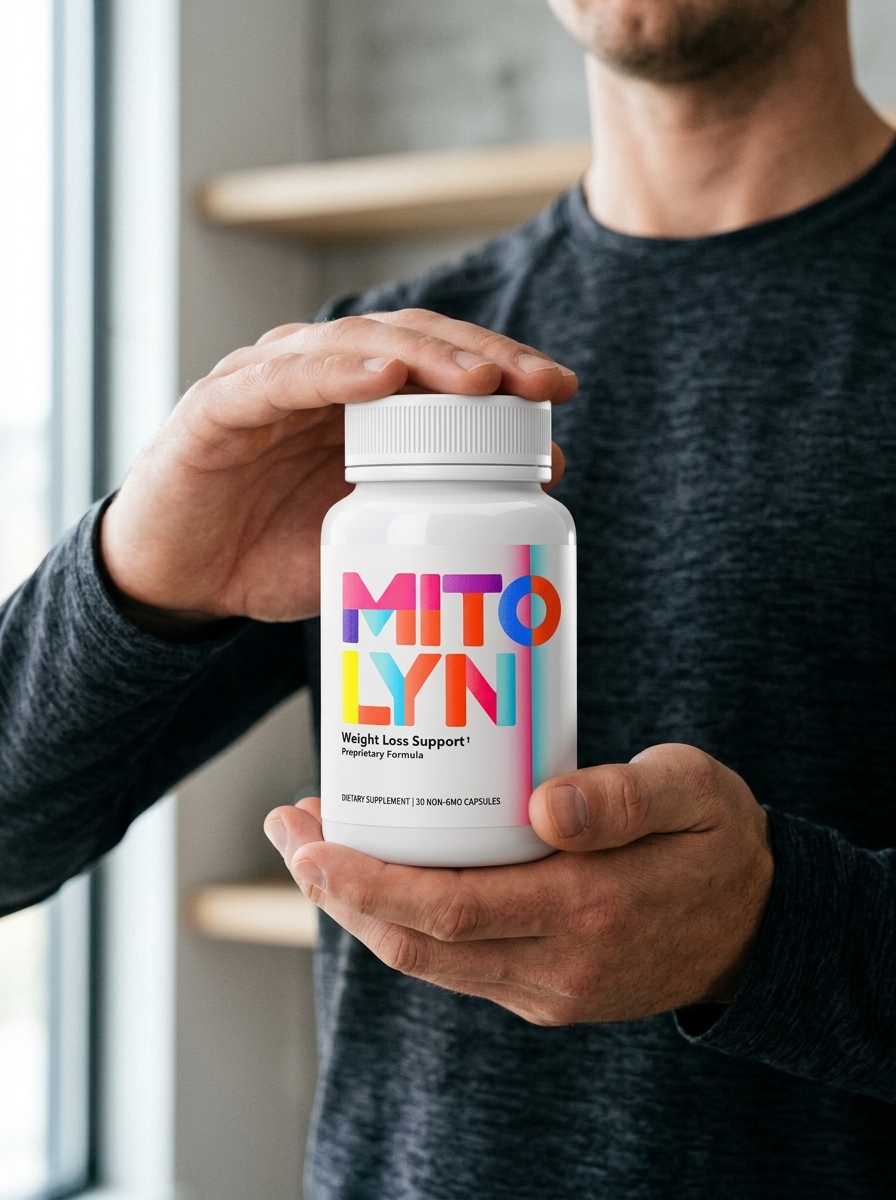
Fuel Your Cellular Power
When your mitochondria thrive, everything else follows—energy, recovery, hormone production.
Mitolyn delivers targeted mitochondrial support that enhances cellular energy production from the source. Not stimulants or quick fixes, but the fundamental compounds your cells need to generate sustained vitality, optimize metabolism, and support natural hormone synthesis.
- ✓ Energy that builds throughout the day
- ✓ Recovery that actually restores you
- ✓ Metabolism that works with your body
Why This Matters More Than Age

The conversation about declining energy and hormone health usually centers on age, as if turning thirty or forty automatically condemns you to feeling less vital. But age is just time passed. What matters more is how well your cells have maintained their ability to produce energy efficiently throughout that time.
Modern life is particularly hard on mitochondria. Chronic stress, processed foods, environmental toxins, irregular sleep—they all create oxidative stress that damages these cellular powerhouses. Some men maintain excellent mitochondrial function well into their fifties and beyond. Others start experiencing dysfunction in their twenties due to lifestyle factors.
This perspective is liberating because it shifts the focus from something you can’t control—your age—to something you can influence: your cellular health. Supporting mitochondrial function isn’t about turning back time. It’s about ensuring your cells can perform their job efficiently regardless of how many birthdays you’ve celebrated.
Stop chasing symptoms. Address energy production at the cellular level.
The Long Game of Vitality

Eight months after starting Mitolyn, I’m not the same person who gripped that subway handrail or struggled up a familiar hiking trail. But more importantly, I understand something fundamental about how energy really works in the male body. It’s not about forcing your way through fatigue or accepting decline as inevitable.
Real vitality comes from supporting the systems that create energy at the source.
When your mitochondria function optimally, everything else falls into place—hormone production, metabolic efficiency, recovery, mental clarity. You’re not fighting your body anymore. You’re working with it.
The men I see thriving in their forties, fifties, and beyond aren’t necessarily the ones with perfect genetics or unlimited time for self-care. They’re the ones who understood this connection early and took action to support it. They’re playing the long game of cellular health, and it shows in everything from their energy levels to their body composition to how they handle stress.
Experience the difference when your cellular machinery runs optimally.
Beyond Quick Fixes

I used to chase energy through coffee, pre-workout supplements, and sheer willpower. That approach works for a while, but it’s unsustainable and ultimately counterproductive. Stimulants stress your system. Willpower has limits. Real energy—the kind that supports hormone production, metabolic health, and genuine vitality—requires supporting the cellular machinery that creates it.
Mitolyn gave me that support, but more importantly, it taught me how to think about energy differently. Not as something to manufacture through external inputs, but as something to cultivate through internal optimization. The difference is profound and lasting.
Your body wants to feel strong, energetic, and capable. It’s designed for vitality, not fatigue. When you support the fundamental processes that create energy, you’re not forcing anything unnatural. You’re simply removing the obstacles that prevent your cells from doing what they do best.
That hiking trail where I first noticed my limitations? I conquered it again last weekend, setting a personal record and feeling energized enough afterward to suggest we tackle the advanced route next time. My mind and body are aligned again, both operating at the level I know they’re capable of. That’s not about age. That’s about cellular health. And that’s something every man has the power to influence.
Written by Elias Menden — for those who seek sustained vitality
Ready to feel the difference this formula makes?