You’re doing everything you’re supposed to do—eating well enough, moving your body, trying to get your eight hours—and still, you wake up already tired. Not the kind of tired that a weekend fixes. The kind that sits in your chest, makes your limbs feel heavy, turns simple decisions into math problems. You forget words mid-sentence. You stare at the fridge and can’t remember what you needed.
And when someone asks what’s wrong, you don’t even know where to start. Because nothing is “wrong”—and everything feels harder.
Because nothing is “wrong”—and everything feels harder.
This is the specific kind of tired that shows up in menopause. Not the “I stayed up too late” tired. Not the “I need a lazy Sunday” tired. It’s the tired that lands in your bones even after you’ve tried to do everything “right.” I spent months thinking I was just busy. That I needed to manage my time better, be more disciplined, stop making excuses.
Then I realized: this wasn’t a willpower problem. This was menopause fatigue—a real shift in the way my body makes energy. And this is also the moment MenoRescue became the anchor of my routine. It didn’t ask me to overhaul my entire life. It gave my system something solid to lean on while everything else felt unpredictable.
⸻
Why fatigue is so common in menopause (and why it feels so personal)
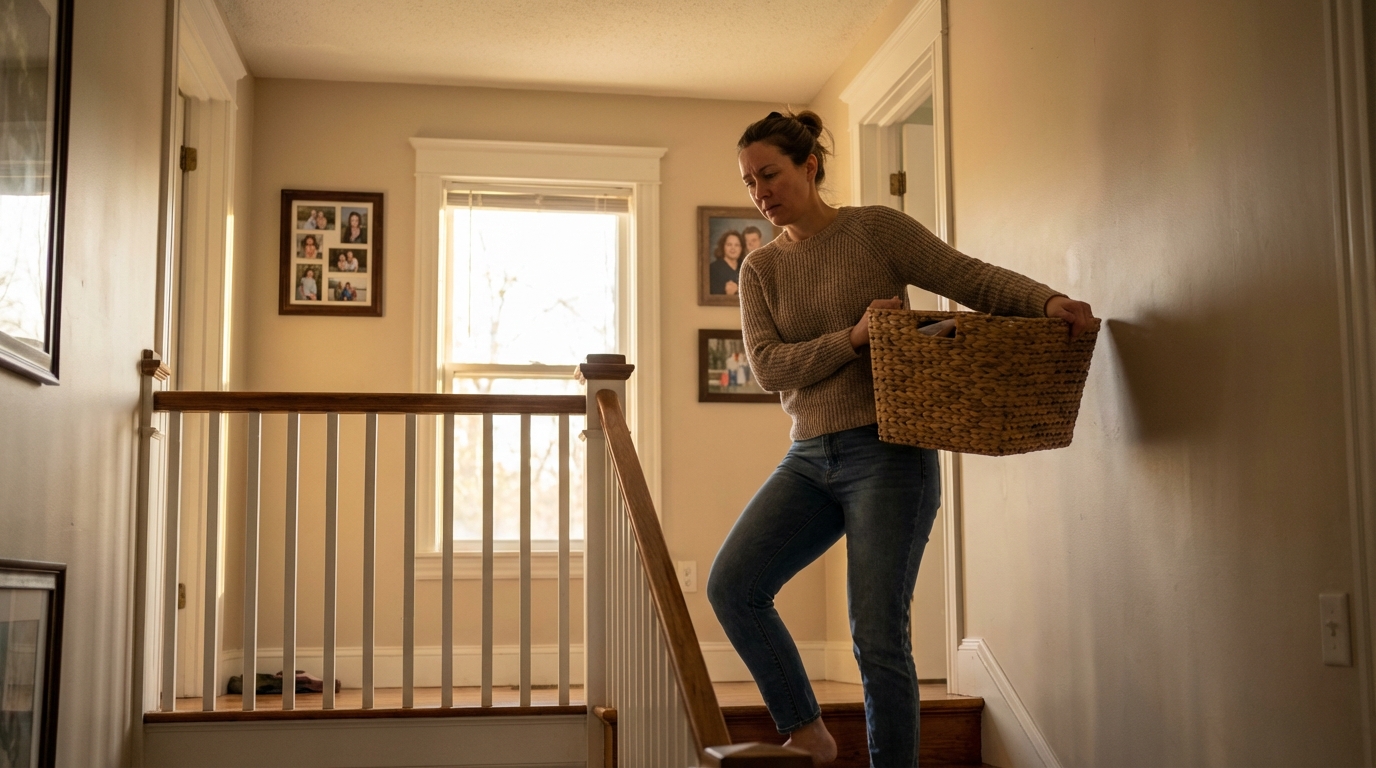
Menopause doesn’t just change your cycle. It changes the background chemistry you’ve been running on for decades. Estrogen, progesterone, and testosterone don’t simply drop in a neat, predictable line. They fluctuate. They wobble. They surge one day and vanish the next. Some mornings your body feels almost normal—then by afternoon, it’s like your internal lights dim without warning.
And the fatigue is rarely one thing. It’s usually a pile-up:
- Your sleep gets broken, even if you’re in bed for eight hours.
- Your stress tolerance shrinks to nothing.
- Motivation feels buried under layers you can’t name.
- Workouts that used to energize you now drain you for the rest of the day.
- Even your brain gets tired. Not sad. Not scattered. Just effortful. Like thinking itself has a price tag now.
If you’ve been wondering why stairs feel steeper, why your focus slips faster, why your mood feels shorter, why you’re dragging a backpack you didn’t pack—this is why. It’s not laziness. It’s biology. And you can absolutely work with it.
⸻
The sleep-energy trap nobody warns you about
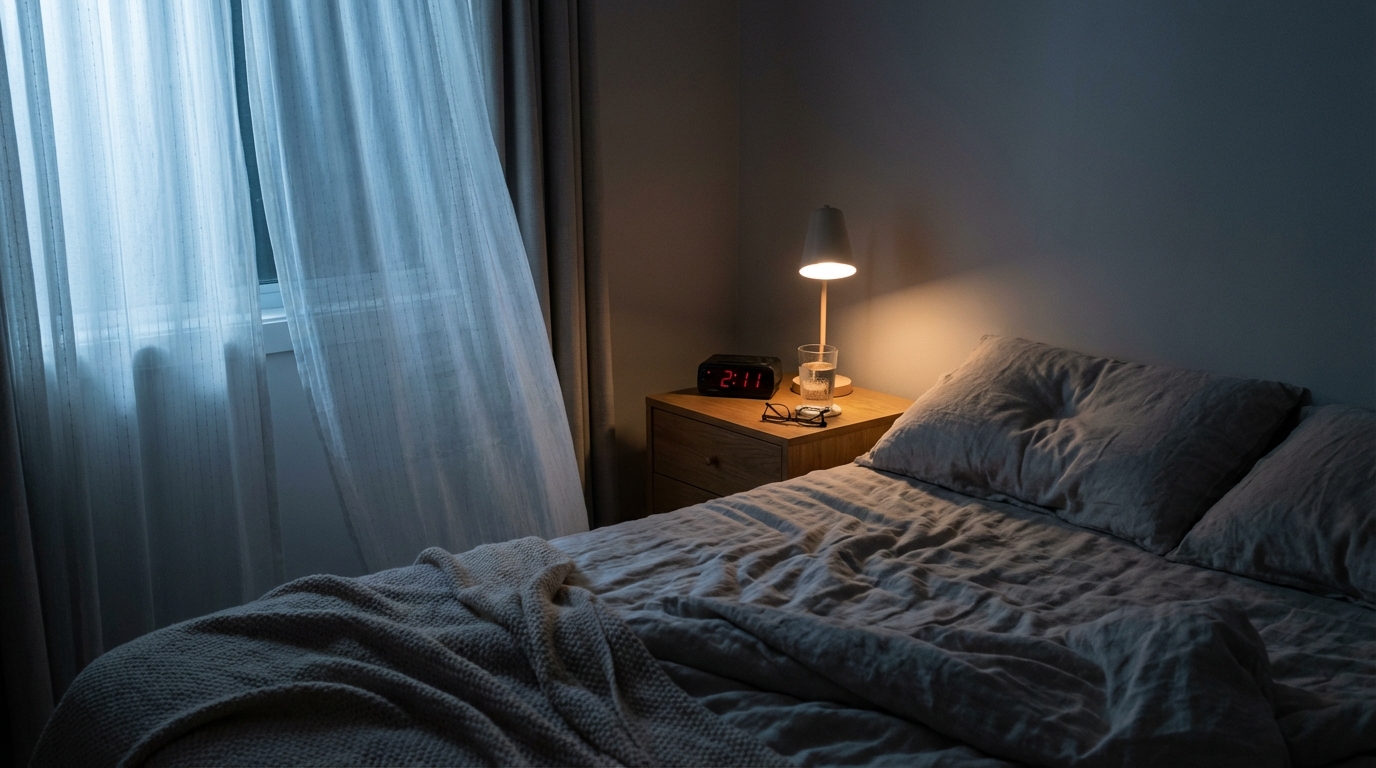
Menopause fatigue loves to hide inside your nights. You fall asleep fine, then wake at 2:11 a.m., wide awake for no reason. Or you drift off, only to get jolted by heat, by sweating, by a racing heart, by a feeling that your body just won’t settle. Even when you don’t fully wake, the quality changes. You can feel it the next morning—like your body never reached the deep, repairing part of the night.
That’s why menopause fatigue feels so unfair. You’re trying. You’re going to bed. You’re turning the lights off. You’re doing all the “healthy” things. And still, you wake up tired.
This is where MenoRescue started to matter for me—not as some dramatic miracle, but as steady support that helped my system feel less reactive. Less like a smoke alarm going off every night. More like a body that remembers how to rest. When your nights get even slightly more stable, your days change.
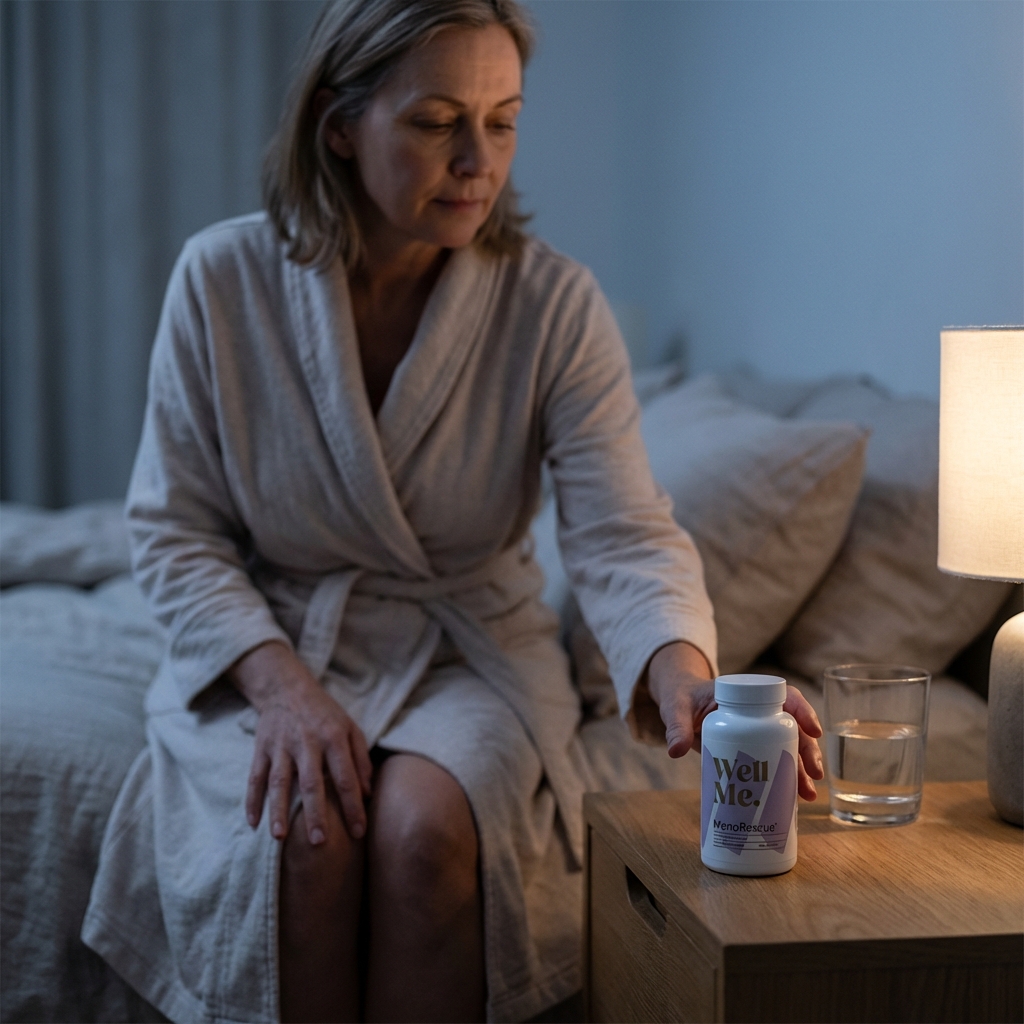
Energy Starts at Night
This is where menopause fatigue actually begins
I didn’t need more caffeine — I needed my body to calm down. MenoRescue supports sleep quality by nourishing the systems menopause disrupts most. It delivers magnesium, B vitamins, and calming plant compounds that help your nervous system settle so your body can actually recharge overnight.
-
Supports deeper, more restorative sleep
-
Helps calm nighttime restlessness
-
Sets up real energy for the morning
When your nights get even slightly more stable, your days change.
The “energy nutrients” that actually make a difference

When I was deep in the slump, I kept looking for the one magic food that would flip the switch. That’s not how it worked. What worked was giving my body the boring, foundational stuff it needs to make energy—then letting MenoRescue fill the gaps that menopause seemed to crack wide open.
Here are the nutrients that made the biggest difference in how my days felt:
Iron
Not because you need to obsess over it—but when iron runs low, your energy gets quiet and thin. You feel winded climbing one flight of stairs. You feel weak for no clear reason. I started prioritizing iron-rich foods and noticed my stamina stopped dipping so hard.
Magnesium
Magnesium feels like it belongs in the “calm” category until you realize calm is part of energy. When your muscles unclench, when your nervous system softens, when sleep deepens—energy returns. I started eating more leafy greens, nuts, seeds. Small shifts that added up.
B vitamins
B vitamins are the behind-the-scenes crew for energy production. They help your body convert food into usable fuel. When I cleaned up my consistency—protein at breakfast, real meals instead of “snacks pretending to be meals”—my brain fog eased.
The point isn’t to track everything. The point is to stop starving your energy system while expecting it to perform. And then—this is the key—pair those foundations with something built specifically for this phase. That “something” for me was MenoRescue.
⸻
How to boost energy levels during menopause with one routine that doesn’t collapse by Wednesday
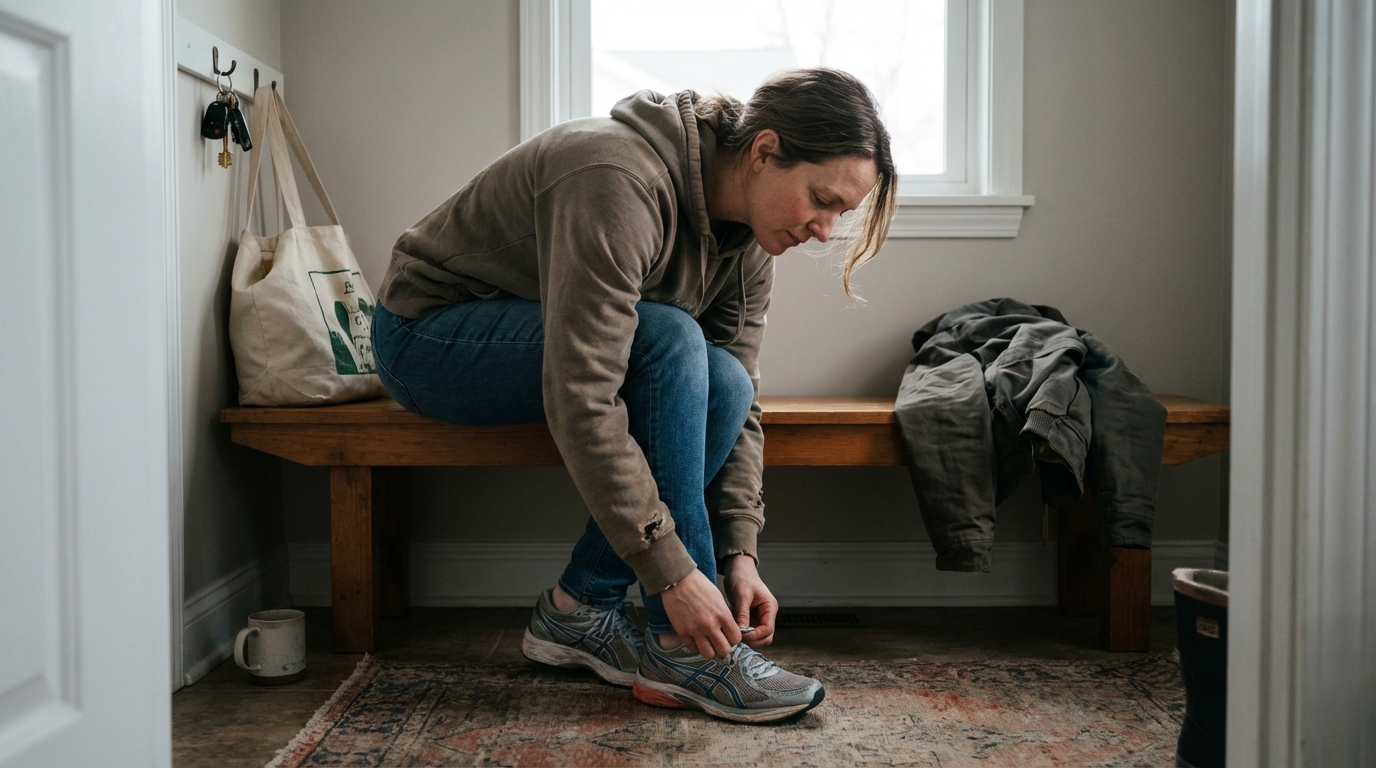
Most women don’t need a complicated plan. They need a plan they’ll actually keep when they’re tired. Here’s what finally worked for me—simple enough to repeat, strong enough to matter.
Morning: stabilize first, then push
If I started the day with caffeine and stress, my body stayed jittery and tired all day. So I flipped it: I ate something with protein first. I drank water before coffee. I took MenoRescue consistently—like brushing my teeth, not like “trying a supplement.”
That consistency mattered more than anything. Because menopause isn’t a one-day event. It’s a season. And your body responds to steadiness, not intensity.
Midday: move like you’re clearing fog, not “burning calories”
The goal isn’t punishment. It’s circulation. A walk around the block. A short strength session. A stretch on the floor while dinner cooks.
Movement stopped being another chore when I realized it was the fastest way to shift my energy without forcing it. Not because it gave me more energy immediately—but because it kept energy from stagnating.
Evening: protect your sleep like it’s your job
This was the turning point. Not a perfect bedtime routine. Just fewer things that keep the nervous system lit up:
- Less scrolling before bed.
- Softer lights after dinner.
- A cooler room.
- A small ritual that tells your body, “We’re safe now. We’re done.”
And yes—MenoRescue stayed in the picture here too, because when your system feels more supported, it’s easier to wind down without feeling like your body is fighting you.
The moment I realized MenoRescue was the thing I’d been missing
I didn’t take MenoRescue because I wanted to become a supplement person. I took it because I was exhausted from guessing. Tired of waking up tired. Tired of wondering which “hack” would work this week. Tired of feeling like my energy depended on perfect conditions that never actually materialized.
And what surprised me was how quickly the emotional relief showed up. Because when you find something you trust, you stop scanning your body all day like you’re waiting for it to fall apart. You stop bracing for the inevitable afternoon crash. You stop mentally preparing for how bad tomorrow might feel.
You start living again.
For me, MenoRescue felt like a daily signal to my body: “We’re supporting you now. We’re not leaving you to figure this out alone.” And that changes everything. Not in a flashy way. In a steady way. The kind of steady that makes you realize how long you’ve been running on fumes.
When you find something you trust, you stop scanning your body all day like you’re waiting for it to fall apart.
What changed when I stopped “trying things” and started relying on one thing
There’s a difference between taking something occasionally and relying on it. When MenoRescue became part of my actual life—consistent, non-negotiable, just built into the day—I noticed three shifts that mattered:
My mornings felt less punishing. Like I could meet the day instead of survive it. My mood felt less reactive. Small annoyances stayed small instead of spiraling into frustration or tears. My energy felt more available—like it wasn’t locked behind a door I had to kick down every single time I needed it.
And this is the part people don’t say out loud: When your energy returns, your confidence returns with it. You stop feeling like you’re failing at life. You stop feeling like you’re “not yourself.” You stop shrinking your plans because you don’t trust how you’ll feel when the moment comes.
That’s what menopause fatigue steals—the belief that you can count on your body. And that’s what MenoRescue helped me rebuild.

Built for Menopause Energy
This isn’t a general supplement. It’s targeted support
MenoRescue is formulated specifically for menopause fatigue. It supplies B vitamins for energy production, key minerals your body burns through under stress, and botanical support that helps stabilize mood and focus. Taken daily, it helps your energy feel steady instead of fragile.
-
Supports natural energy production
-
Helps smooth mood swings and reactivity
-
Reduces the “crash-and-burn” cycle
⸻
The permission moment (because you don’t need to earn your energy back)

If you’ve been dragging through your days, trying to muscle through, telling yourself you’ll “get it together” when life calms down—hear this: You don’t need a calmer life to feel better. You need a supported body.
Start with a few foundations: protein at meals, hydration throughout the day, magnesium-rich foods, eating on a rhythm your body recognizes. Move gently, consistently. Not to earn rest—but because movement helps energy move too. Guard your sleep like it’s sacred. Protect the hours, protect the environment, protect the wind-down.
And then choose one daily support that makes the whole thing easier to sustain. For me, that was MenoRescue—the piece that made me stop searching, stop second-guessing, and finally feel like I had a system again. Not a perfect system. A real one.
And if you’ve been waiting to feel ready before you commit to your own energy? This is your sign.
How to boost energy levels during menopause—starting today
You don’t have to accept the fog. You don’t have to normalize the heaviness. You don’t have to keep living like your energy is permanently “on backorder.” Menopause asks for a new kind of care—steady, simple, and actually built for this season.
That’s why I keep MenoRescue close. It’s the one daily decision that makes everything else feel lighter. It’s the routine-saver. The nervous-system exhale. The “okay, I can do today” feeling. And once you feel that shift—once—you won’t want to go back.
Written by Liora Menden — for those who seek steady energy and calm